Arizona
How Will Criminal Justice Ballot Measures 2026 and Drug Policy Votes Impact Our Region?
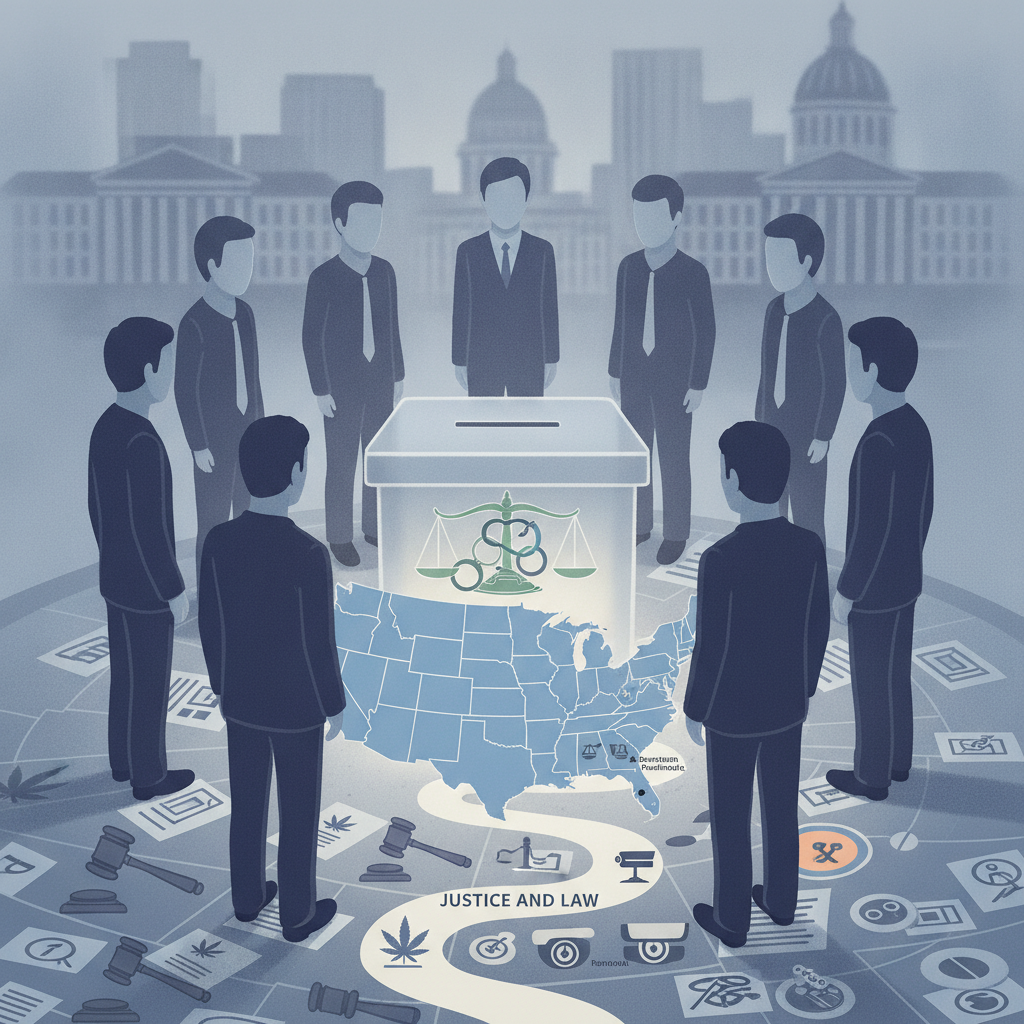
Voters in nine states will weigh changes to their criminal legal systems and drug policies this fall. The Nov. 3 ballot measures include questions about pretrial release, fentanyl and human trafficking penalties, immigration enforcement, traffic cameras, drug cartels and marijuana…

Last updated:
Key points
- Voters in multiple states are considering stricter criminal penalties and bail restrictions.
- Massachusetts will vote on whether to repeal its legal recreational marijuana retail sales, which could impact southern Vermont border dispensaries.
- This national shift toward punitive policies comes even as violent crime rates decline across the country.
NewsWK — Our neighbors in Massachusetts might make history by rolling back recreational cannabis sales. Meanwhile, voters nationwide are pushing for much tougher crime laws. These major shifts could soon change how we think about safety and local commerce right here in southern Vermont.
Why it matters
This nationwide trend directly shapes local debates over public safety, retail theft, and bail rules in Vermont. Additionally, a potential cannabis retail ban in neighboring Massachusetts could reshape local cross-border shopping habits and alter regional economic dynamics for our local merchants.
Decisions made by voters in other states often ripple across our state lines. For example, local business owners in Bennington County watch regional drug policies closely. Changes in nearby Massachusetts could alter traffic on our local roads. Meanwhile, our own lawmakers continue to debate criminal justice reform trends in Montpelier.
What Are the Major Criminal Justice Reform Trends to Watch?
Across the country, voters are pivoting from lighter sentencing toward much tougher criminal penalties. This shift represents a major reversal from earlier reform-minded policies. Today, many communities demand stronger measures against drug trafficking and violent crime.
Between 2012 and 2020, measures to reduce penalties outnumbered those to increase them. However, that trend reversed entirely after 2022. Since then, every single statewide ballot measure has moved in a more punitive direction. “Public safety is not a partisan issue,” said Indiana state Republican Rep. Chris Jeter.
Interestingly, this push for tougher laws comes as national crime rates fall. For example, violent crime declined by an estimated 9.3% in 2025. Property crime also dropped by 12.4% during the same period. Still, many voters feel unsafe and want stronger protections.
How Is State Bail Reform Voting 2026 Shaping the Legal System?
Several states are putting measures on the ballot to restrict pretrial release and keep certain defendants behind bars. These proposals reflect a growing national skepticism toward cashless bail and lenient pretrial release policies in many jurisdictions across the country.
Three states will decide on major bail-related measures during this election cycle. These proposals would significantly limit the circumstances under which defendants can secure release before trial. They include:
- Indiana: Voters will decide whether to let courts deny bail if a defendant poses a substantial risk to the community.
- Louisiana: A proposed measure would prohibit post-conviction bail for people convicted of aggravated offenses against minors.
- Tennessee: Voters will consider removing the right to bail for severe offenses like terrorism and child rape.
These state bail reform voting 2026 measures show a clear national desire for stricter pretrial detention.
What Do the 2026 Ballot Measures Crime and Drugs Proposals Mean for Cannabis?
Voters in states like Massachusetts and Idaho will decide on major changes to drug legalization laws. Most notably, our neighbors in Massachusetts will vote on whether to completely dismantle their licensed recreational marijuana retail market, which has been active since 2016.
How Could Massachusetts Marijuana Policy Ballot Questions Affect Southern Vermont?
A potential rollback of retail cannabis sales in Massachusetts could drive more out-of-state consumers to dispensaries in Bennington County. It would also mark the first time a U.S. state has repealed its regulated recreational marijuana market, setting a major precedent for other states.
The proposed Massachusetts measure would repeal the state’s licensed recreational sales law. However, it would still allow adults to possess up to one ounce of marijuana. If the measure passes, Massachusetts would make a massive policy U-turn. This decision could impact local dispensaries in Pownal and Bennington, which often serve travelers from neighboring states.
Meanwhile, Idaho is taking a different path. Voters there will decide whether to give their legislature exclusive authority over drug legalization. This measure would prevent citizens from using ballot initiatives to legalize medical or recreational marijuana. These diverse marijuana policy ballot questions show how fractured drug policy remains across the United States.
Why Are States Proposing Stricter Penalties for Drug and Human Trafficking?
Lawmakers and citizen groups are pushing for harsher sentences to combat the ongoing fentanyl crisis and protect children from exploitation. These measures aim to provide law enforcement with stronger tools to prosecute high-level offenders and secure justice for victims.
Colorado voters will consider a measure to increase penalties for selling and possessing fentanyl. The proposal also mandates court-ordered treatment for certain possession offenses. Another Colorado measure would mandate life sentences without parole for child sex trafficking. These 2026 ballot measures crime and drugs proposals highlight a growing intolerance for drug distribution and exploitation.
Other states are focusing on victim rights and local enforcement. For example, Tennessee voters will decide whether to add Marsy’s Law to their constitution. This would grant victims the right to attend hearings and speak at sentencing. Meanwhile, Arizona voters will decide whether to label drug cartels as terrorist organizations.
These national shifts show a clear turn toward stricter law enforcement. While Vermont charts its own path, regional changes in Massachusetts will directly affect our local economy. We will keep you updated as these critical votes approach.
This article was produced with the assistance of AI and reviewed by our editorial team.
Sources
Related: Border County Tax Pressures Mount as New York Shifts SNAP Costs
Related: Eli Northrup Criminal Justice Reform Platform Shapes NY Assembly Bid
Related: How State Tax Ballot Measures Across the US Could Impact Our Region
See a typo? Report it here.