
Bennington
Changes to Asylum Procedures May Impact Local Refugees in Vermont
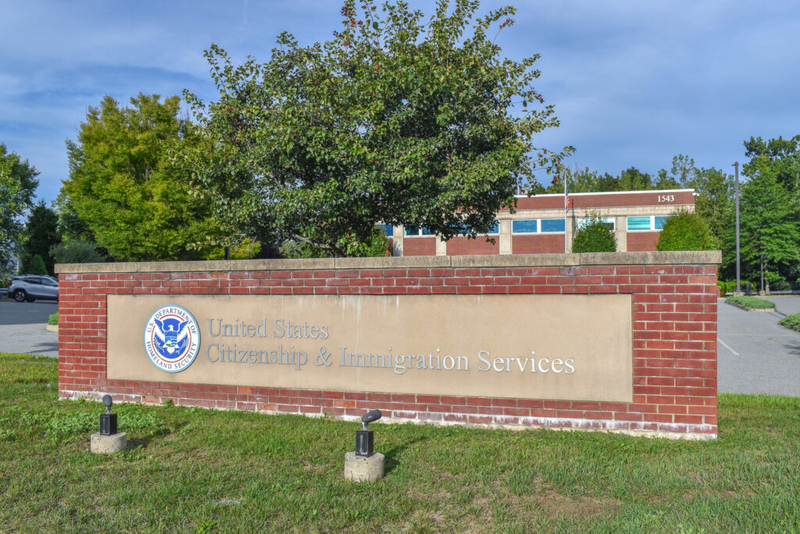
WASHINGTON — Federal asylum officers can deny interviews to asylum seekers and send them immediately to an immigration judge, speeding up deportation proceedings, under a rule U.S. Citizenship and Immigration Services published Tuesday. The rule, which takes effect immediately, will allow…

Last updated:
Key points
Changes to Asylum Procedures May Impact Local
- USCIS can now deny asylum interviews and refer cases directly to judges.
- Over 444,000 pending asylum applicants could be impacted by the changes.
- Local communities, particularly Haitians, may face challenges due to new asylum policies.
WASHINGTON NewsWK — Recent changes to U.S. immigration policy could significantly affect asylum seekers in Vermont and surrounding areas, particularly as the new rules expedite deportation proceedings. According to a report first published by Stateline, federal asylum officers are now authorized to deny interviews for asylum applications and directly send cases to immigration judges.
This new rule, effective immediately, allows officers from the U.S. Citizenship and Immigration Services (USCIS) to refer certain asylum cases to judges without conducting prior interviews. This shift is set to impact over 444,000 pending asylum applicants and could lead to expedited denials of claims, especially for individuals who may already be in vulnerable situations.
Implications for Local Asylum Seekers
The potential for expedited proceedings raises concerns for many local residents, particularly those from communities in Bennington County and nearby areas who may be seeking refuge from persecution. The changes could disproportionately affect Haitians losing their Temporary Protected Status, as many might not meet the stringent requirements for asylum, further complicating their situation.
USCIS Director Joseph Edlow stated, “For far too long the asylum system has been exploited for purposes of delay and work authorization, not legitimate claims of protection.” However, critics of the rule, including immigration law experts, warn it may worsen the existing backlog in immigration courts, which already has 1.4 million cases pending.
What This Means for the Community
In essence, the new policy may result in a less fair process for those fleeing persecution and seeking safety in our region. Local advocates are encouraged to stay informed about these changes and support asylum seekers who may be affected by the new regulations.
As these developments unfold, it’s vital for residents of Bennington and surrounding communities to engage with local advocacy groups and stay connected to resources that can assist those navigating the asylum process.
This article was produced with the assistance of AI and reviewed by our editorial team.
Based on reporting by Ariana Figueroa originally published by Stateline. Read the original story.