Bennington
New York Thermal Energy Networks Gain Approval as State Backs Two Pilots
State regulators approved two “thermal energy” pilots but rejected nine others, raising questions about the future of the technology.

Last updated:
Key points
- New York approved two thermal energy network pilots in Buffalo and Haverstraw costing $112 million.
- Regulators rejected nine other proposed projects due to concerns over high upfront construction costs.
- The decision impacts regional energy planning and union workforce opportunities across New York and border communities.
NewsWK — New York energy regulators recently approved two neighborhood clean heating systems. At the same time, they rejected nine larger proposals across the state. Consequently, this cautious step directly influences nearby border communities in Eastern New York and Southern Vermont. Local leaders must now prepare for future green heating transitions.
In Bennington County and adjacent Rensselaer and Washington counties, State Heating Mandates Drive major building changes. Furthermore, New York clean heat technology remains a primary focus for policymakers. Specifically, they want to eliminate building emissions by 2050.
The state targets zero net carbon emissions across its 6 million buildings over the coming decades. Therefore, local trade workers, town planners, and homeowners in border towns closely monitor these administrative rulings.
What are New York thermal energy networks and how do they work?
New York thermal energy networks use connected underground pipes. These pipes carry water at stable temperatures between multiple buildings. First, the systems draw heat from geothermal wells, sewer lines, or industrial waste heat sources. Then, electric heat pumps convert this ambient energy into quiet, efficient heating and cooling without burning natural gas.
In addition, these shared energy loops act like community utility grids for thermal energy. They recycle excess heat instead of letting it escape into the atmosphere.
Because they share energy among homes, public facilities, and stores, thermal loops offer strong efficiency. For example, Framingham, Massachusetts, operates one of the few functional systems in the nation. Meanwhile, cities like Boston and Denver are building similar projects to lower urban carbon emissions.
Why is New York clean heat technology expanding slowly?
State regulators approved only two of eleven proposed pilot projects due to high upfront installation costs. Proponents highlight long-term grid benefits and union job creation. However, the state deemed many proposals too expensive for utility ratepayers compared to individual electric heat pumps.
Specifically, the state rejected nine proposed projects that together carried a $1 billion price tag. Utilities had already spent four years and nearly $50 million planning those rejected projects.
Ultimately, state officials concluded that individual heat pump installations cost less up front than shared pipe networks. Shared thermal Grids Require Extensive Street digging, continuous maintenance, and ongoing property taxes. However, supporters argue that individual heat pumps place far greater demands on the electrical grid during cold winter nights.
How did the NY Public Service Commission decide on these clean energy pilot projects NY?
The NY Public Service Commission approved $112 million for two pilot projects serving 32 buildings in Buffalo and Haverstraw. Conversely, officials rejected nine other utility proposals that totaled $1 billion. Regulators stated that the smaller pilot footprint offers necessary data. At the same time, it keeps costs manageable for consumers.
State officials selected Haverstraw in the Hudson Valley and Buffalo for the initial tests. Notably, the $112 million cost for these two pilots comes from a state climate fund. Therefore, local utility customers will not see direct rate increases on their monthly bills for construction.
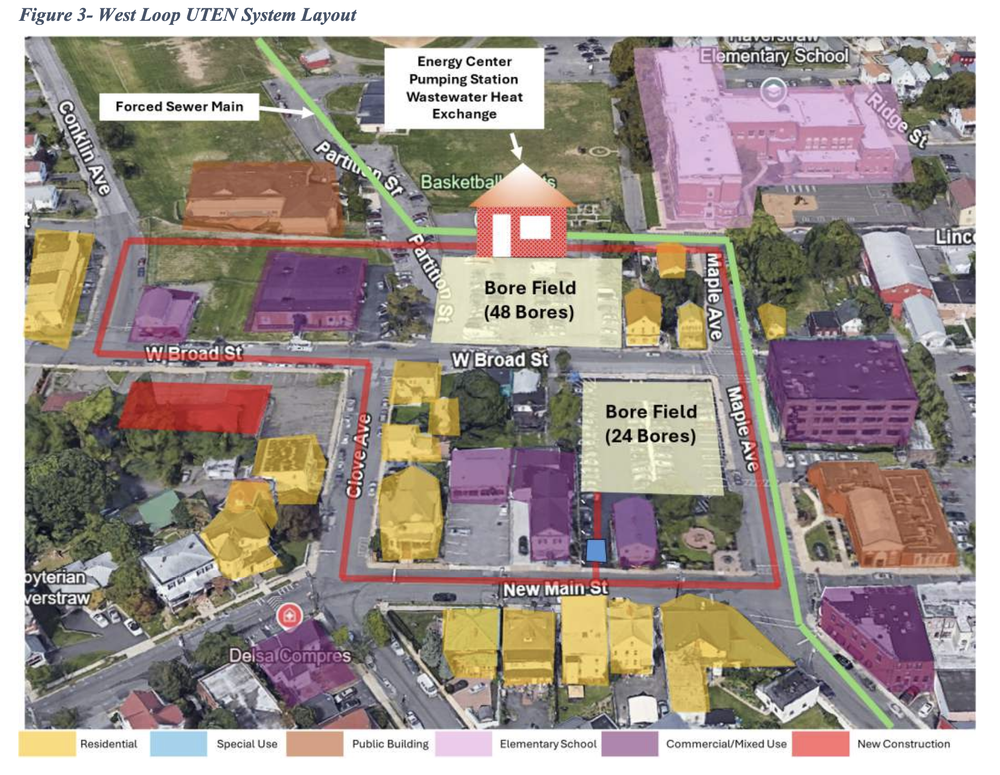
Utility Orange & Rockland planned the Haverstraw project. It will heat and cool up to 29 buildings. Meanwhile, the Buffalo project targets affordable housing and municipal facilities. Moreover, both locations fall within areas that the state designates as disadvantaged communities.
In addition, labor unions strongly support these pipe network projects. Organizations like Steamfitters Local 638 note that building thermal loops requires traditional pipefitting skills. Consequently, these systems keep experienced union pipefitters employed during the green energy transition.
What do state energy decisions mean for NY building electrification and local communities?
New York’s decisions shape how utilities modernize gas infrastructure in nearby counties like Washington and Rensselaer. As a result, nearby residents and tradespeople watch these trials closely. The outcomes will signal whether neighborhood-scale heat loops or single-building heat pumps will dominate future regional clean energy mandates.
As NY building electrification efforts move forward, public institutions lead the way. For instance, SUNY campuses in Buffalo and Purchase are building their own thermal networks using separate state grants.
Meanwhile, regulators and state energy researchers at NYSERDA continue to develop a long-term roadmap for clean thermal energy. They aim to study data from Buffalo and Haverstraw before committing additional public funds.
For nearby border communities, these pilot projects offer a clear preview of future energy options. Thus, town administrators and regional contractors must adapt as heating technology evolves across the state line.
Next, state contractors will begin final engineering and community outreach for the Haverstraw and Buffalo sites in the coming months. Finally, local residents and regional tradespeople can expect updates as construction milestones near.
Related: New York Farmworkers Extreme Heat Debate Hits Close to Border Fields
Related: Federal Offshore Wind Policy Southern Vermont Communities Are Watching Amid East Coast Delays
See a typo? Report it here.