
Bennington
Decline in Obamacare Enrollment Affects Bennington and Surrounding Areas
In 49 states, the number of people enrolled in Obamacare plans has declined since Congress made coverage more expensive by allowing federal subsidies to expire at the end of last year. The lone exception was New Mexico, the only state…

Last updated:
Decline in Obamacare Enrollment Affects Bennington
Key points
Obamacare enrollment decline
- Obamacare enrollment has declined in 49 states due to expired federal subsidies.
- Bennington residents may face higher premiums and reconsider their coverage options.
- States with their own marketplaces, like Vermont, maintain higher retention rates.
NewsWK — Recent data reveals a significant drop in the number of people enrolled in Obamacare plans across 49 states, including those in our region. This decline comes after federal subsidies expired at the end of last year, making coverage more expensive for many.
According to a report by KFF, a health policy research group, the total enrollment in health insurance marketplaces created under the Affordable Care Act has decreased from approximately 21.8 million to about 19.2 million. The only state to avoid this trend is New Mexico, which has utilized its own funds to replace the expired federal aid.
Impact of Expiring Subsidies
The reduction in enrollment is largely attributed to the expiration of enhanced federal subsidies, originally introduced as part of the American Rescue Plan Act in 2021. These subsidies significantly lowered costs for many participants, and their expiration on December 31 has led to increased premiums that some residents in Bennington and the surrounding areas may now face.
Justin Lo, a senior researcher at KFF, noted that while there were claims of fraudulent enrollments, the reality is likely that the number is much lower than suggested. He stated, “We had a huge growth in the marketplace uptake because a lot of people were seeing that they could now qualify for very cheap plans.” This growth has reversed as many are now reconsidering their coverage due to higher costs.
Local Enrollment Trends
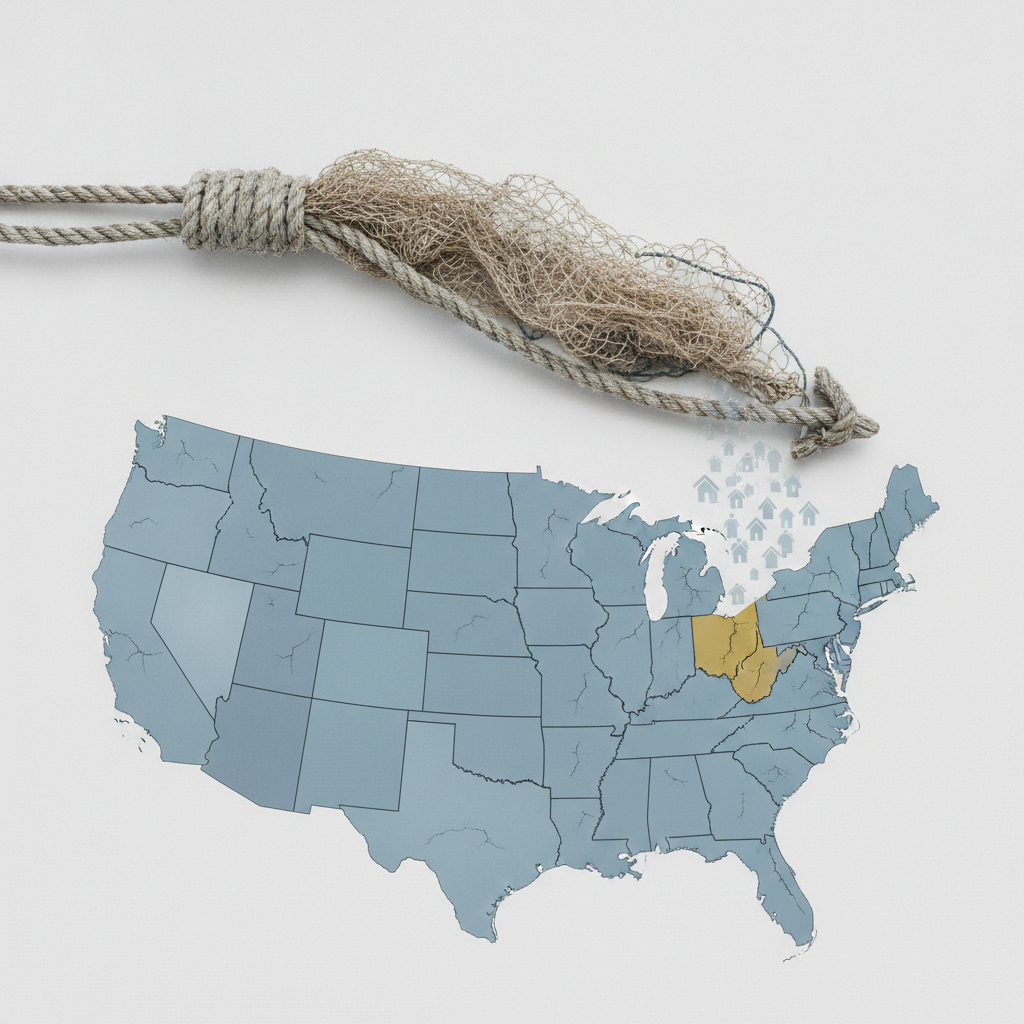
Trends show varying impacts across states. For instance, states like Ohio and Oklahoma experienced the largest enrollment declines, while New Mexico saw a 14% increase. In states using the federal marketplace, including Vermont, the average enrollment drop was 15%. This shift indicates potential challenges for local residents seeking affordable health coverage.
The KFF report also highlighted that many enrollees may drop coverage if they cannot afford their first premium payment. For example, Mississippi recorded the lowest retention rate at approximately 61%. In contrast, states with their own marketplaces, such as Vermont, had retention rates of at least 95%.
What’s Next for Local Residents?
As we look ahead, the insurance marketplace landscape may continue to change. Insurers are proposing a median premium increase of 14% for 2027, which could lead to further challenges for those in our communities who rely on these plans.
This article was produced with the assistance of AI and reviewed by our editorial team.
Based on reporting by Shalina Chatlani originally published by Stateline. Read the original story.