Bennington
Uninsured Rate Rising as Health Subsidies Expire
The percentage of working-age adults without health insurance has increased in the past two years, largely because many people can no longer afford Obamacare coverage after Congress allowed federal subsidies to expire at the end of last year. The uninsured…

Last updated:
Key points
- The national uninsured rate for working-age adults increased to 11.2% this year following the expiration of federal health care subsidies.
- Half of surveyed working-age adults reported delaying or avoiding medical care due to high out-of-pocket costs.
- Upcoming federal Medicaid policy changes, including 80-hour monthly work requirements, are expected to reduce coverage further.
NewsWK — Local residents in Bennington County face growing financial pressure as federal health care subsidies end. Meanwhile, recent national data shows more working-age adults are losing coverage across our region.
Why Is the Uninsured Rate Rising for Working-Age Adults?
The rising national uninsured rate stems mainly from expiring enhanced federal health care subsidies. Consequently, many working-age adults can no longer afford monthly premiums. Furthermore, rising medical care costs and Medicaid eligibility audits are forcing millions off coverage rolls.
The latest Commonwealth Fund health insurance survey highlights a sharp increase in uninsured adults. Nationally, the uninsured rate for adults ages 19 to 64 jumped to 11.2% this year. That figure marks a significant increase from 8.9% in 2024.
Furthermore, 7,362 adults took the survey this year. Nearly half experienced coverage gaps or lacked insurance entirely. Cost remains a major barrier for families. Because prices keep climbing, half of respondents delayed or avoided medical care. In 2022, that number stood at 46%.
“It’s affecting people’s ability to pay off bills right away, and it’s having an effect on health plans,” said Sara Collins. She is a senior scholar at the Commonwealth Fund and lead author of the report.
What Does the Affordable Care Act Subsidies Expiration Mean for Bennington Area Residents?
Without federal assistance, monthly insurance payments have spiked dramatically. Consequently, nationwide marketplace enrollment dropped from 8% in 2024 to 6% this year.
For years, federal assistance helped lower premium costs for lower-income households. In many cases, these extra payments made coverage completely free or very inexpensive. However, Congress designed those extra funds as temporary pandemic-era relief. Therefore, insurance prices surged overnight when lawmakers allowed the subsidies to lapse.
Almost one-third of surveyed adults currently carry unpaid medical or dental bills. Additionally, over 70% of uninsured respondents reported major problems getting care due to high expenses.
“I think it’s very concerning,” Collins noted regarding the survey results. “We know from our survey data that not going to get care isn’t and just generally is not good for people’s health over the long run.”
How Will New Rules Impact Health Insurance Coverage Rates?
Future health insurance coverage rates could drop further when new federal legislation takes effect next month. The incoming federal law mandates strict new work requirements for Medicaid recipients. It also requires frequent eligibility checks.
In recent years, Medicaid rolls had already contracted significantly. Specifically, Medicaid enrollment for working-age adults fell to 13% this year, down from 16% in 2022. States began removing enrollees after pandemic-era coverage protections ended.
Now, additional statutory changes will accelerate those losses. Under the new federal requirements, many Medicaid recipients must verify 80 hours of monthly work. Alternatively, they can complete approved community service. Additionally, state agencies must re-evaluate recipient eligibility every six months.
Here is a summary of key statistics from the latest health report:
- 11.2%: Current national uninsured rate for working-age adults, up from 8.9% in 2024.
- 50%: Percentage of adults who delayed medical care this year due to high costs.
- 6%: Portion of adults enrolled in marketplace plans, down from 8% in 2024.
- 13%: Current Medicaid enrollment rate for adults, down from 16% in 2022.
- 80 hours: Monthly work requirement taking effect for many Medicaid recipients.
What Can Local Families Expect Next?
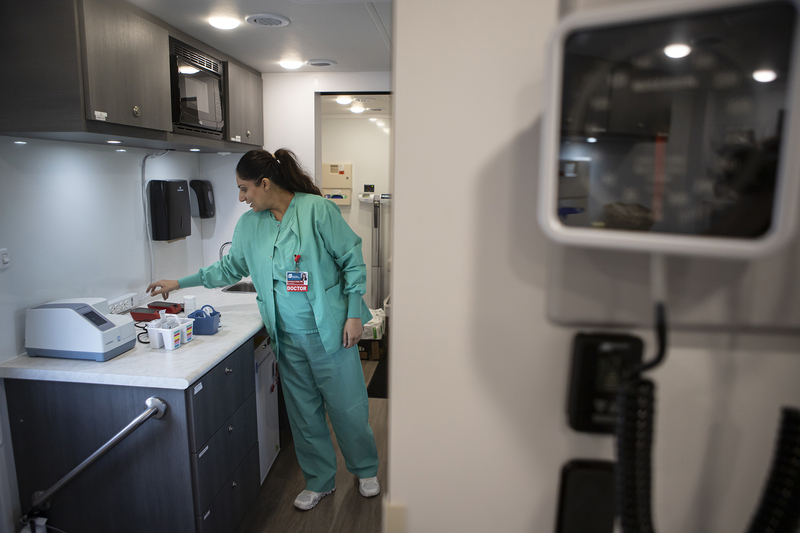
Local healthcare providers in Bennington, Manchester, and Hoosick Falls are preparing for more uninsured patients. Meanwhile, area residents must navigate upcoming open enrollment periods carefully. Doing so will help them identify any remaining state-level financial assistance options.
This shift marks a sudden reversal of long-term progress. Between 2010 and 2025, federal health reform cut the national uninsured rate in half. Specifically, the rate dropped from nearly 16% down to 8%. However, recent policy changes are quickly eroding those historic gains.
Meanwhile, health insurance options remain tight for working-age adults as private premiums continue to escalate. Therefore, local residents seeking coverage should consult regional health navigators and community health centers. These experts can help families review available state credits before deadlines pass.
This article was produced with the assistance of AI and reviewed by our editorial team.
Sources
Related: ACA Subsidies Expire, Sparking Drop in Health Coverage Nationwide
Related: Federal Rule Restricts Medicaid Funding for Youth Gender-Affirming Care
See a typo? Report it here.