Arizona
Navigating AI in Classrooms: Local Schools Face Tech and Privacy Risks
As a new school year begins, some classrooms may use artificial intelligence tools to flag a student struggling with classwork, track attendance or try to raise reading scores. But as school districts make decisions on which tools are safe and…

Last updated:
Key points
Navigating AI in Classrooms: Local Schools Face
- School districts nationwide face mounting pressure to vet complex and expensive AI technology as federal pandemic funding expires.
- Research shows school systems have access to thousands of software tools, but teachers and students regularly use only a tiny fraction of them.
- Experts recommend strict privacy rules, adult testing, and keeping human educators in control of classroom grading and discipline.
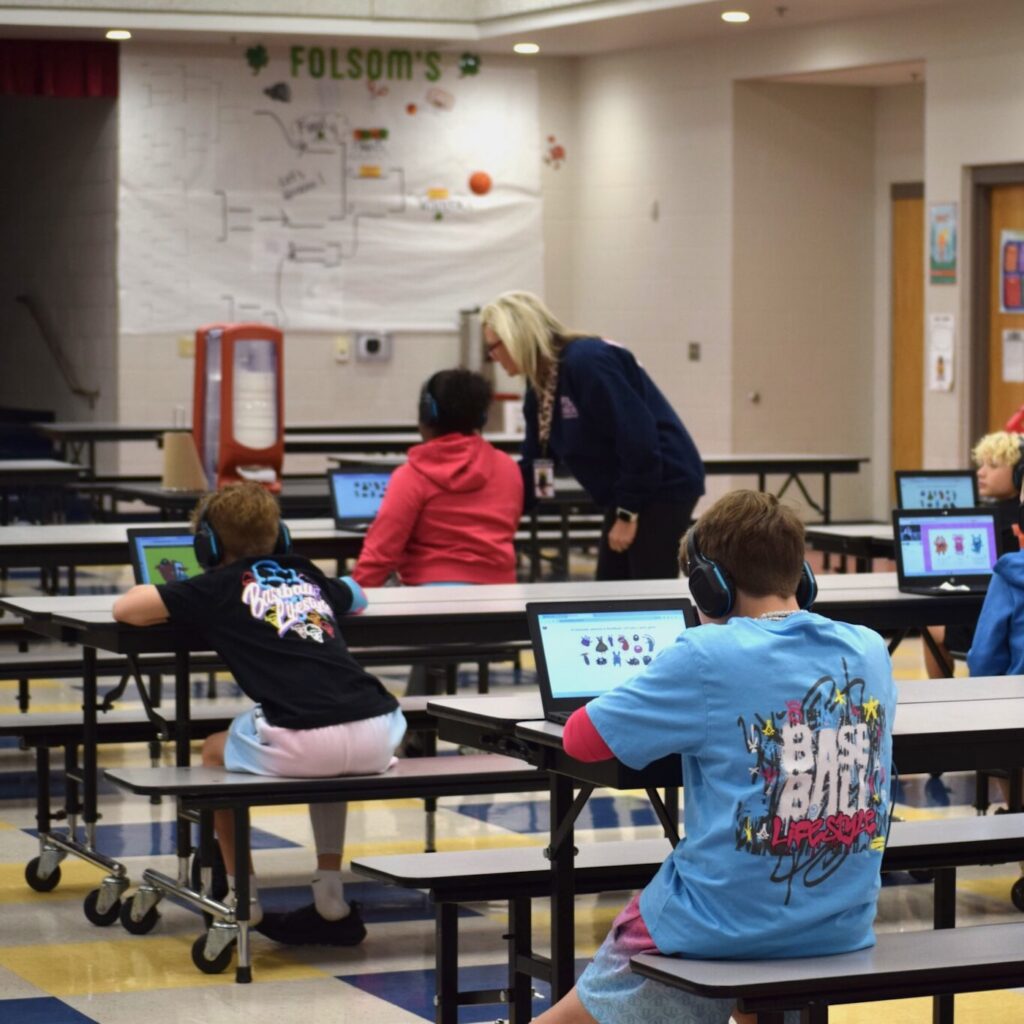
NewsWK — As artificial intelligence tools flood the education market, local school boards and administrators across Southern Vermont and neighboring regions face a daunting task. Districts must decide which digital products genuinely improve learning while keeping student data secure, all while working with increasingly tight local budgets.
Stateline reports that school systems across the nation are struggling to vet an overwhelming surge of AI software. The broader U.S. education technology market generated nearly $48 billion in revenue in 2024, with AI specific education tools expected to reach $15 billion by 2033.
Why it matters here
For families and taxpayers in Bennington County, Berkshire County, and nearby border communities like Hoosick Falls, every education dollar counts. With pandemic era federal relief funding expiring, school boards are facing tough choices about budget priorities. Investing in untested or redundant digital software risks wasting public funds while exposing children to potential privacy hazards.
When classrooms adopt new software without rigorous screening, sensitive student information can end up stored on third party servers. Ensuring that software genuinely helps students master core skills, such as reading and mathematics, remains a top priority for local educators.
The risk of digital hoarding in schools
Many school districts already have access to far more software programs than their classrooms actually use. A recent study by education technology provider Instructure analyzed user data from more than 12.6 million K-12 users. The analysis revealed that while districts had access to an average of 3,001 digital tools, teachers and students regularly used only four of them.
This clutter makes it harder for teachers to navigate their daily instruction and creates safety risks as student data spreads across hundreds of unmonitored platforms. Industry analysts refer to this trend as digital hoarding, noting that school systems must now clean house to determine which tools actually improve student performance.
Districts are also feeling pressure from aggressive marketing by tech vendors. Software companies often present AI as a quick fix for falling test scores, making administrators feel left behind if they do not adopt the latest products immediately.
Privacy risks and costly mistakes
Without clear state or federal standards, local districts carry the heavy burden of evaluating complex software algorithms on their own. Some high profile cases highlight the serious risks involved in hasty tech adoption.
In Arizona and Kansas, families filed federal lawsuits against districts using student monitoring software, alleging the technology violated constitutional rights. Elsewhere, the Los Angeles public school system paid $3 million for an AI chatbot project before the vendor filed for bankruptcy and its founder faced fraud charges.
To avoid similar pitfalls, some districts are establishing strict vetting criteria before signing contracts:
- Data ownership: Requiring vendors to guarantee that district data and student chat logs remain strictly private property.
- No AI training: Explicitly banning tech companies from using student work or conversations to train their AI models.
- Human oversight: Keeping educators directly in charge of all grading, discipline, and instructional decisions.
- Mandatory security reviews: Requiring vendors to pass comprehensive privacy questionnaires and legal checks prior to approval.
“A significant challenge is that the onus of making these decisions is placed entirely back on the individual school district,” noted Allentown School District Superintendent Carol Birks during an evaluation of local vetting efforts.
Finding tools that actually help teachers
When implemented thoughtfully, artificial intelligence can serve as a supportive assistant rather than a replacement for classroom instruction. Some school systems have started with small micro pilots to evaluate reading tools before rolling them out district wide.
In Tennessee, the Sumner County school system tested an AI literacy program to give students immediate feedback during reading lessons. District leaders emphasized that technology should never try to substitute for a qualified educator.
Sumner County Superintendent Scott Langford explained that the strongest software products are those that “help them see student understanding more quickly” during daily classroom activities.
What’s next for local classrooms
State education agencies in places like New York and Pennsylvania have begun providing guidelines to help districts negotiate contracts and verify vendor claims. However, experts urge administrators to let adult staff thoroughly test any AI tool before placing it in front of students.
Local parents and community members can stay engaged by attending school board meetings and asking clear questions about district tech contracts. Inquiring about data privacy protections and software usage helps ensure that classroom technology remains safe, effective, and financially responsible.
This article was produced with the assistance of AI and reviewed by our editorial team.
Sources
Related: As School Districts Restrict AI Use, Local Classrooms Watch Closely
Related: Inside the Screen-Free Childhood Croton-on-Hudson Movement Sparking Regional Debate
See a typo? Report it here.