
Bennington
How Will National Abortion Pill Restrictions Affect Southern Vermont Patients?
As they await a federal decision on a potential nationwide ban on telehealth abortions, anti-abortion activists plan to push more states to require women to visit a doctor’s office, get an ultrasound or wait before they can get abortion pills.…

Last updated:
Key points
- National anti-abortion groups are lobbying state legislatures to mandate in-person clinical visits and ultrasounds before dispensing medication.
- While Vermont and neighboring states maintain strong shield laws, local clinics could see a surge in out-of-state patients if federal telehealth rules change.
- The FDA is reviewing safety data for mifepristone, with an initial update expected this week amid ongoing legal battles.
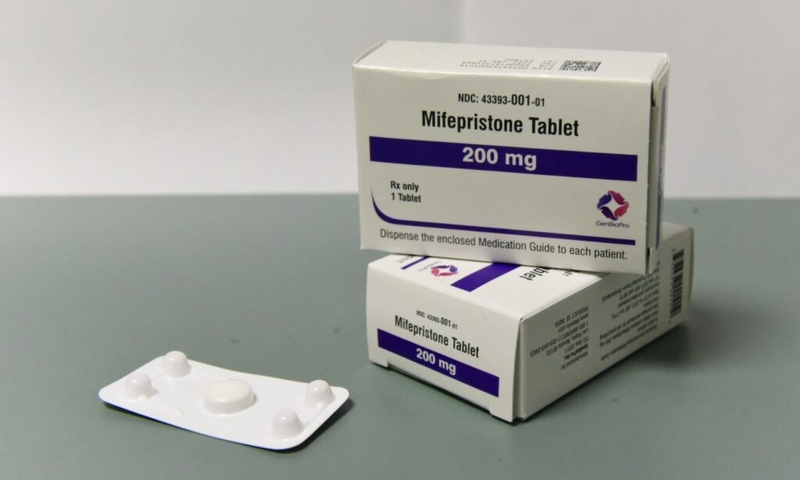
NewsWK — Vermont protects reproductive healthcare. However, local providers in Bennington County watch national events closely. National advocacy groups now plan a major push. They want to restrict medication abortion at the state level.
This effort could reshape access even in protected states. Meanwhile, federal regulators are reviewing safety data for common abortion medications.
How do telehealth abortion laws impact patients in Bennington and neighboring states?
Local healthcare providers in Southern Vermont, eastern New York, and western Massachusetts operate under protective shield laws. However, national restrictions and interstate lawsuits directly threaten local prescribing practices. If federal rules change, local patients could lose telehealth access. Consequently, more people would seek in-person clinic appointments across the region.
Bennington sits just miles from the New York and Massachusetts borders. Therefore, many local residents travel across state lines for daily medical care. Because of this, regional health networks must navigate a complex web of varying state laws.
Currently, medication abortions account for about 65% of all abortions in the United States. Furthermore, roughly 28% of these procedures occur through telehealth services. If federal courts or agencies restrict telehealth, local clinics will face a surge in demand.
In addition, patients from other states may travel to Vermont to bypass their own local restrictions. This influx could strain local healthcare resources. As a result, wait times could increase for everyone.
What is driving the new wave of state abortion pill bans?
Anti-abortion groups are capitalizing on state momentum to bypass federal regulations. The U.S. Food and Drug Administration does not require in-person doctor visits or ultrasounds. However, activist groups are lobbying individual states to mandate these steps. They argue that these extra clinical measures are necessary to protect patient safety.
The history of mifepristone FDA regulations shows a gradual easing of federal rules over two decades. First, the agency approved the two-drug regimen in 2000. Later, during the pandemic in 2021, federal officials suspended the in-person dispensing requirement.
The FDA made this change permanent in 2023. This rule allowed mail-order pharmacies to ship the pills. Now, conservative advocacy groups are pushing back against these federal allowances. For example, the National Right to Life Committee has drafted model legislation for state lawmakers.
Ingrid Duran, the group’s director of state legislation, defended these proposed mandates. “Requiring a healthcare provider to confirm, locate, and date a pregnancy before prescribing a dangerous mixture of abortion-inducing drugs is a bare-minimum safety standard, and we believe it should apply in every state,” Duran wrote.
How do medication abortion restrictions affect patient safety debates?
Medical organizations and advocacy groups disagree sharply over clinical exam requirements for medication abortions. Peer-reviewed studies show a very low risk of serious complications from these pills. However, opponents argue that providers need in-person ultrasounds. Without them, opponents claim clinicians cannot properly diagnose dangerous conditions like ectopic pregnancies.
Major medical groups, including the American College of Obstetricians and Gynecologists, support telehealth prescribing. In fact, they state that ultrasounds are unnecessary for patients with regular cycles and no risk factors.
Kimya Forouzan, a principal state policy advisor at the Guttmacher Institute, defended telehealth access. “Receiving medication abortion via telehealth is not different than any other form of telehealth care,” Forouzan said.
Still, ten states that have not banned abortion entirely still require ultrasounds or waiting periods. These states include Florida, Utah, and Wisconsin. In Florida, patients must obtain an ultrasound and wait 24 hours before receiving care. Because Florida bans abortion after six weeks, these waiting periods often prevent patients from obtaining care.
How are interstate legal battles challenging local shield laws?
Attorneys general in several conservative states are launching legal challenges against shield laws. Specifically, these lawsuits target providers in states like Massachusetts and New York who mail pills to restricted areas. The final outcome of these cases could soon reshape interstate healthcare delivery across the entire country.
Currently, 13 states enforce complete abortion bans. These states include:
- Texas
- Idaho
- Indiana
- Tennessee
- West Virginia
Meanwhile, legal battles are unfolding in federal courts. In North Carolina, a federal judge recently ruled that the state cannot ban the mailing of abortion pills. However, the judge upheld the state’s ultrasound requirement and waiting period. That case is now heading to the 4th U.S. Circuit Court of Appeals.
Previously, the Same Appeals Court ruled that federal regulations do not preempt state abortion bans in West Virginia.
When will the FDA release its updated mifepristone safety review?
The FDA plans to provide an update on its mifepristone safety review this Wednesday. While officials do not expect an immediate ruling on telehealth access, the update signals federal policy direction. Consequently, any regulatory changes will immediately affect healthcare clinics and patients across Southern Vermont.
In 2025, activist groups successfully pressured the federal government to initiate this safety review. In addition, some reports suggest the administration wants to delay controversial decisions until after the upcoming midterm elections.
Meanwhile, the outcome of the elections could decide the future of the FDA leadership. The nominee for FDA commissioner, Heidi Overton, has previously expressed anti-abortion views. During her confirmation hearings, she declined to say if she would restrict mifepristone.
Because of this political uncertainty, local healthcare advocates are preparing for multiple scenarios. For now, Vermont clinics continue to offer full telehealth services to residents and visitors. However, the legal landscape remains highly volatile.
This article was produced with the assistance of AI and reviewed by our editorial team.
Sources
Related: How the FDA Abortion Pill Safety Review Impacts Southern Vermont Patients
Related: Federal Judge Rules Against Mifepristone Restrictions Impacting Abortion Access in Southern Vermont
See a typo? Report it here.