Bennington
Inside the Screen-Free Childhood Croton-on-Hudson Movement Sparking Regional Debate
Earlier this month, kindergarteners in Croton-on-Hudson started the school year without screens after a campaign by hundreds of local parents.

Last updated:
Key points
- The Croton-Harmon School District eliminated iPads for K-2 students and restricted device use for older elementary grades.
- A grassroots parent group successfully ran candidates for the local school board to push for screen-free classrooms.
- The district reallocated $40,000 to replace digital tools with analog resources like books, puzzles, and math games.
NewsWK — School boards across Bennington County continue to debate classroom technology. Meanwhile, a nearby New York district is taking a step back in time. A grassroots parent movement successfully removed personal screens from early elementary classrooms. This shift offers a clear roadmap for local families.
Why it matters
The debate over classroom technology affects every family in Southern Vermont. Local schools in Bennington and Manchester continue to integrate digital tools. However, parents increasingly worry about screen dependency. This policy shift demonstrates how grassroots action can successfully reshape public education.
What Is the Croton-on-Hudson School iPad Ban?
The Croton-Harmon School District recently eliminated iPads for kindergarten through second-grade students. This change prioritizes hands-on learning. The new policy also restricts tablet use for older elementary students. Furthermore, fifth graders can no longer take devices home. These changes replace digital screens with analog materials like books and puzzles.
Under the new rules, third and fourth graders share iPads from classroom carts. Fifth graders leave their devices at school daily. Sixth graders must leave their tablets at school over the weekend. Teachers also stopped using online read-alouds and reward videos. At the high school level, educators must limit video-based lessons. Superintendent Stephen Walker explained that technology must earn its way into the classroom.
How Did the Croton Community Collective Change Local Schools?
The Croton Community Collective mobilized over 400 members to campaign against school screen time. Through public forums and board campaigns, the parent group replaced pro-technology incumbents. These new representatives focus heavily on reducing classroom device usage. Their efforts quickly transformed the district’s educational policy.
The group formed in July 2025 to advocate for a healthier childhood environment. Members quickly focused on three main priorities:
- Enforcing state cellphone bans during lunches and passing periods.
- Keeping iPads away from young children in early grades.
- Ensuring schools stop sending digital devices home after hours.
To achieve these goals, the collective targeted the May 2026 school board election. They hosted a packed public forum to question candidates on educational technology. Two collective members ran for board seats and defeated long-serving incumbents. This political shift forced the district to reevaluate its digital curriculum.
Why Are Parents Banning School iPads and Restoring Analog Play?
Parents are pushing back against classroom tablets due to growing concerns over student attention spans and academic performance. By replacing digital devices with books and landlines, families hope to restore a traditional childhood. This movement highlights a rising skepticism toward educational technology.
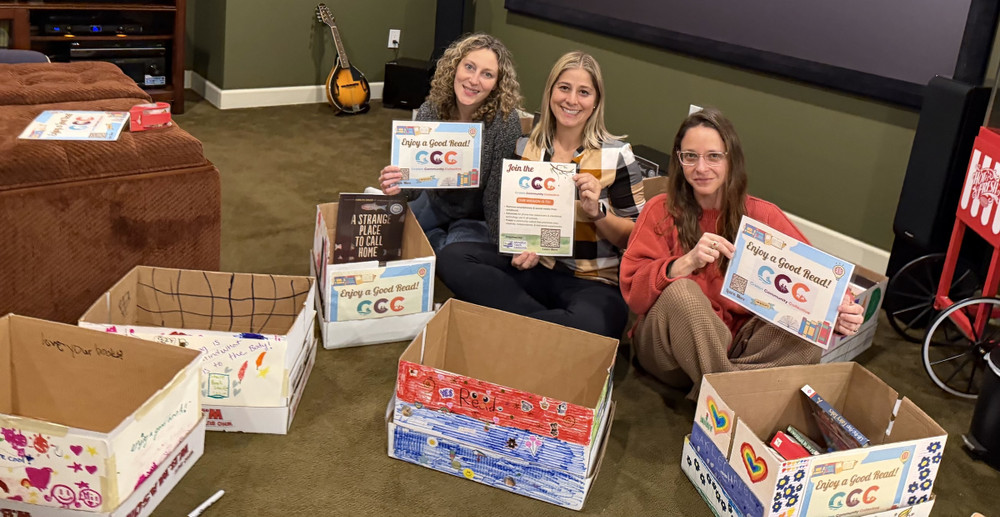
Local parent Jill Anderson founded the coalition to bring back traditional childhood experiences. “We want Croton to be famous for being a town that brought back childhood, at home and at school,” Anderson said. Many families installed landlines so children can communicate without smartphones. Volunteers also stocked local businesses with boxes of books and magazines. This allows children to read while waiting at the diner or barber shop. Meanwhile, some teachers admit the sudden transition has been challenging. Kindergarten teacher Tara Carlucci noted that losing digital tools felt like losing a safety net. However, she acknowledges that some educators had become overly reliant on screens. Another teacher, Dana Buckhout, struggles to differentiate lessons without iPads but supports the overall shift. By replacing digital devices with books and landlines, families hope to restore a screen-free childhood in Croton-on-Hudson.
Why Are Local Parents Demanding Screen Free Classrooms?
Parents want screen free classrooms to protect their children from digital distractions and encourage physical, face-to-face interactions. They believe that excessive device use in early grades harms social development and academic focus. Restoring analog environments allows children to engage more deeply with their peers and teachers.
In Croton-on-Hudson, parents noticed that young students spent lunch hours and breaks looking at screens. They argued that these habits prevent children from developing essential social skills. By demanding screen free classrooms, families hope to foster cooperative play and active learning. This grassroots pressure eventually forced school administrators to change their entire approach to educational technology.
What Is the Broader Context of This Educational Shift?
The movement away from classroom screens reflects a growing national skepticism toward digital-first education. Major teachers’ unions and state lawmakers now advocate for strict limits on school technology. This shift marks a significant departure from the rapid digital integration of the past decade.
Over the past 10 years, laptops and tablets became standard tools in American schools. Advocates argued these devices prepared students for a tech-driven workforce. However, critics point to studies linking excessive screen time to lower academic results. In New York, state officials are already considering legislative action. Senator Andrew Gounardes recently introduced a bill to limit school screen time. The proposed legislation aims to establish a legal right to analog learning. Additionally, New York City Public Schools recently capped middle school screen time. To fund the transition, the Croton-Harmon district reallocated approximately $40,000. They used these funds to purchase physical math games, dictionaries, and puzzles. Administrators expect to save money long-term by canceling expensive software subscriptions. Superintendent Stephen Walker noted that the parent push created a unique opportunity. “This was one of those times when we were able to say, there is a movement here, and there is an impetus to ask some really challenging questions about our system,” Walker said.
How Does This Affect Southern Vermont Communities?
School districts in Bennington and Windham counties face similar choices regarding classroom technology. Local educators and school boards will likely watch this New York experiment closely. The success of these analog classrooms could inspire similar parent-led campaigns in our own communities.
Parents in Bennington and Manchester often voice concerns about student focus and mental health. As local school boards draft future budgets, ed-tech spending will remain a key topic. This nearby shift proves that communities can successfully choose a different path for their children.
This article was produced with the assistance of AI and reviewed by our editorial team.
Sources
Related: Vermont Schools Consider Limits on Student Screen Time
Related: SNAP Cuts Free School Lunch: How Federal Shift Impacts Area Cafeterias
See a typo? Report it here.