Alaska
Veteran Homelessness Hits Record Low Nationally Amid Regional Shifts
Veteran homelessness dipped slightly from 2024 to 2025, according to the latest results from the January 2025 point-in-time count. The U.S. Department of Housing and Urban Development counted 32,495 veterans experiencing homelessness, 387, or 1.2%, fewer than the previous year.…

Last updated:
Key points
Veteran Homelessness Hits Record Low Nationally
- National veteran homelessness dropped 1.2% in 2025 to a record low of 32,495 individuals, down over 56% since 2010.
- Despite the national decrease, 25 states saw increases in homeless veterans, including an 8% rise in neighboring New York, while Massachusetts stayed flat.
- States are increasingly using landlord incentives, risk-mitigation funds, and case registries to secure permanent supportive housing.
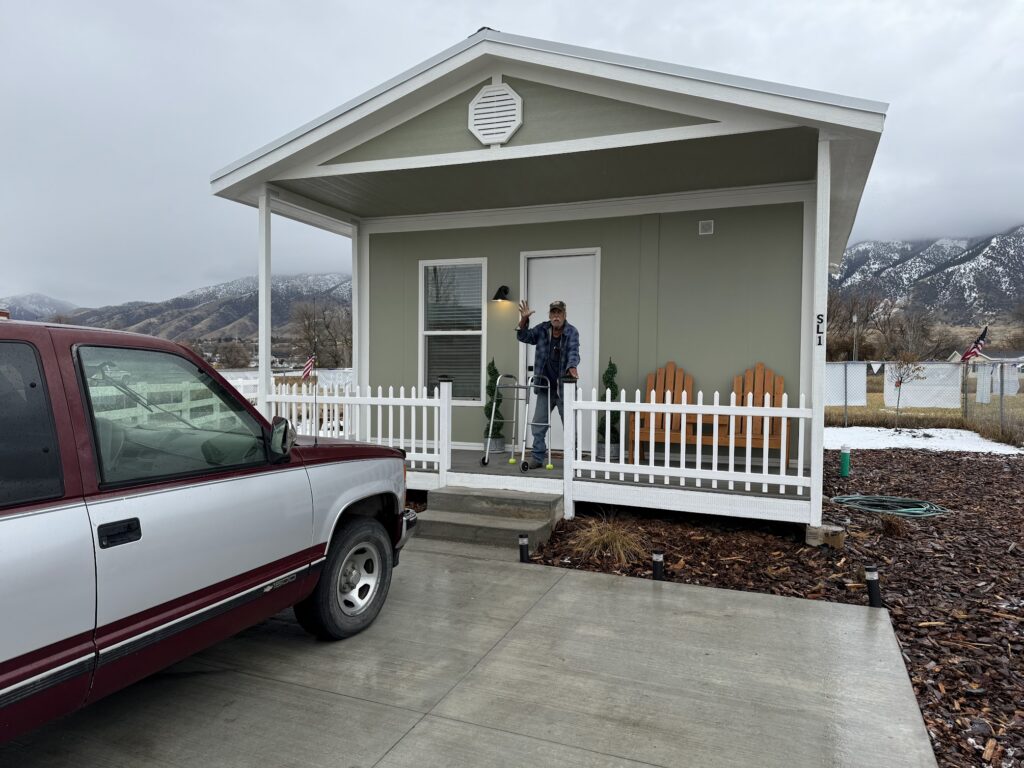
NewsWK — Veteran homelessness reached an all-time low across the United States in 2025, but state-level data shows that progress remains uneven across the country and right here in our broader region.
According to annual count figures released by the U.S. Department of Housing and Urban Development, 32,495 veterans were experiencing homelessness during the January 2025 point-in-time tally. That represents a modest 1.2% decline of 387 individuals compared to 2024, continuing a long-term downward trend.
Why it matters here
For residents in Bennington County and nearby communities across the state line in New York and Massachusetts, housing stability for former service members remains a critical focus. While national figures reached historic lows, half of all states experienced increases over the past year.
Neighboring New York recorded an increase of 93 homeless veterans, representing a rise of nearly 8%. Massachusetts saw its numbers hold steady with no change, illustrating the complex, localized nature of housing challenges across our neighboring borders.
National progress and regional contrasts
The national count revealed that 18,877 veterans were residing in emergency shelters or transitional housing, while 13,518 were living unsheltered in places not meant for human habitation.
Altogether, 25 states recorded year-over-year increases in veteran homelessness, 23 logged decreases, and two states, Alaska and Massachusetts, reported no change. Key state trends from the count include:
- Oregon saw the largest numerical increase, adding 228 veterans to reach a 16% rise.
- Pennsylvania experienced an increase of 98 veterans, up 14%.
- Mississippi recorded the steepest percentage jump, surging 88% from 40 to 75 veterans.
- California saw the largest numerical drop, declining by 624 veterans, a 7% reduction.
- Florida, Indiana, and Illinois each saw substantial declines of between 79 and 192 individuals.
Since 2010, veteran homelessness across the country has dropped by more than 56%. Housing advocates attribute this long-term success to consistent federal funding for supportive housing and mental health care programs over the past 15 years.
Innovative approaches to housing veterans
To keep numbers moving downward, several states have launched targeted programs to bridge local resource shortages and recruit private property owners.
Adam Ruege, principal of policy and evaluation at the national nonprofit Community Solutions, noted that state governments are increasingly stepping into key support roles. “What we’re seeing states do now, is that they are filling the gap between what the federal response isn’t doing and what localities can’t do because of funding constraints,” Ruege said.
Several states have developed specific models to support veterans seeking permanent shelter:
- New Jersey invested more than $30 million in state and federal funds into its Bringing Veterans Home program, permanently housing more than 2,500 veterans since late 2024.
- Minnesota created a statewide registry to coordinate individual cases across agencies, helping reduce its homeless veteran count by 41% over two years.
- Maine enacted legislation providing grants to nonprofits for landlord incentives, risk-mitigation payments, and past-due rent coverage.
- Florida launched a pilot program compensating landlords for holding vacant apartments for up to 45 days during placement, while reimbursing up to $2,000 for qualifying property damages.
- California approved $109.6 million for 278 permanent supportive homes, reserving 103 units specifically for veterans.
Ruege highlighted that engaging rental property owners directly remains essential. “I think a big factor in their success has been recruitment of landlords,” Ruege said. “It’s just a matter of political and private will, and in some ways, the will of a landlord, to make strides in cutting down homelessness on the local level.”
Legal shifts and enforcement policies
The shifting numbers come amid changes to how municipalities handle unsheltered individuals. Following the 2024 U.S. Supreme Court decision in Grants Pass v. Johnson, local and state governments received broader authority to regulate public camping.
Since that ruling, at least 14 states and more than 350 cities have adopted stricter measures prohibiting camping or sleeping in public areas. Indiana instituted a statewide public camping ban in July, while states like Georgia and Oklahoma passed legislation penalizing municipalities that fail to enforce camping prohibitions.
What this means going forward
While federal and state investments have helped thousands of veterans secure permanent housing over the past decade, rising counts in 25 states show that local outreach and landlord participation remain vital. For our area, continued coordination among regional service providers, community organizations, and property managers will play a central role in ensuring local veterans receive the support they need.
This article was produced with the assistance of AI and reviewed by our editorial team.
Sources
Related: States Raise Caregiver Wages as Looming Aide Shortages Threaten Senior Care
Related: Meta Agrees to $17.1B Teen Safety Deal Affecting Local Youth
Related: Vermont Enacts New Data Privacy Law for Consumers
Related: Border County Tax Pressures Mount as New York Shifts SNAP Costs
Related: Changes to Fire Codes in Vermont: What Local Residents Need to Know
Related: States Push for Closer Review in Domestic Violence Deaths
Related: New York Prison ‘Contraband Watch’ Practices Draw Fire Over Conditions
Related: Debate Over IVF and Surrogacy Grows Across State Party Platforms
Related: NY Election Watchdog Waives Fines for Bronx Democrats After Late Filings
Related: National Hiring Slowdown and Labor Tightness Impact Local Economy
Related: Future Labor Shortages Could Mean Higher Wages for Local Youth
Related: Pacific Northwest Fires Strain National Wildfire Resources
Related: How Towns Use Controlled Burns to Prevent Wildfires
Related: NewsWK App now available for Iphone and Android Users
Related: Navigating AI in Classrooms: Local Schools Face Tech and Privacy Risks
Related: National Groups Build Statehouse Coalitions Across the Northeast
Related: Trump College Admissions Data Lawsuit: States Challenge Federal Reporting Requirements
Related: Trump College Admissions Data Lawsuit: States Challenge Federal Reporting Requirements
Related: Bennington 250 Announces ‘250 for 250’ Year-End Gala to Support Anniversary Celebrations
Related: Bennington Battle Day Marked as Historic Monument Awaits Repairs
Related: New VA Grants for Homeless Veterans Vermont Boost Regional Housing Efforts
See a typo? Report it here.