California
Battery Energy Storage Systems Opposition Grows Across Towns and States
SNOQUALMIE, Wash. — In the race to meet the nation’s growing power demands, states and utilities are rapidly building new “battery farms” that can store energy for when customers need it most. But as the facilities grow, so too does…


Last updated:
Key points
- Battery energy storage capacity in the United States has expanded tenfold since 2022 to over 50 gigawatts.
- More than 175 local communities have proposed or passed moratoriums over battery storage safety concerns and zoning control.
- Industry research indicates thermal failure rates have dropped 97 percent since 2018 due to improved safety engineering.
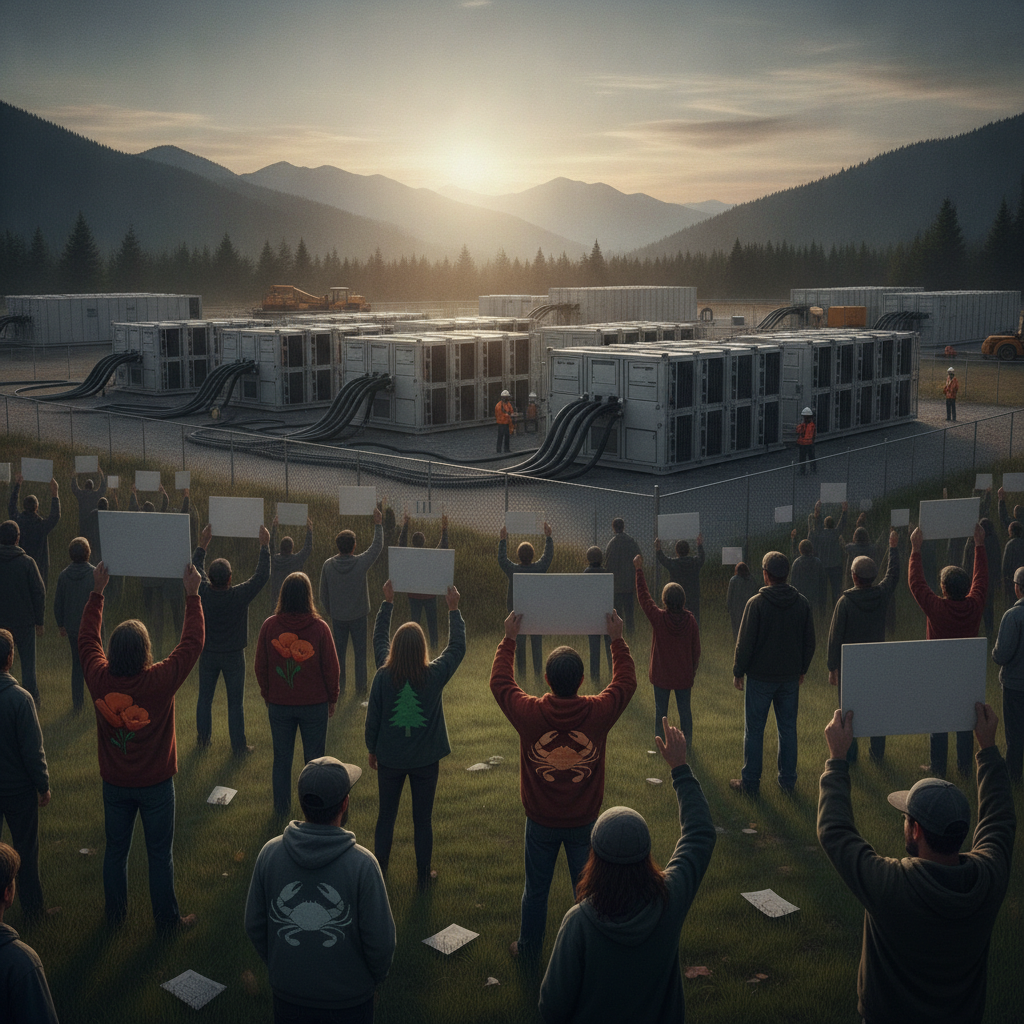
SNOQUALMIE, Wash. NewsWK — States across the country are pushing for rapid clean energy adoption. However, local communities are expressing sharp opposition to large utility-scale projects. Energy developers are racing to install containerized facilities. These systems store extra power for peak demand hours. Yet residents and municipal leaders nationwide fear these industrial installations pose safety hazards near residential neighborhoods.
Why Is Clean Energy Battery Storage Expanding So Quickly?
Clean energy battery storage is expanding rapidly across the country. Grid operators need a reliable way to save surplus power from solar and wind facilities. As renewable energy output grows, utilities rely on battery banks. These systems feed electricity back into the grid during peak evening hours. Consequently, nationwide storage capacity has jumped tenfold since 2022.
National battery capacity expanded from five gigawatts in early 2022 to over 50 gigawatts today. Furthermore, industry analysts expect capacity to surpass 100 gigawatts by late 2028. That total could supply electricity to nearly 75 million homes for up to four hours during grid stress. Meanwhile, federal incentives, including a 30 percent clean energy tax credit, drive developer interest in these projects.
State policies also propel this rapid buildout. In fact, at least 13 states have established formal storage targets for their electric utilities. For example, Maryland passed legislation requiring 1,600 megawatts of storage capacity. Noah Roberts serves as executive director of the U.S. Energy Storage Coalition. Recently, he emphasized the key role of storage in modern energy planning. “As we’re dealing with a power supply crisis, energy storage is the obvious solution for adding capacity,” Roberts noted.
What Is Driving Battery Storage Moratoriums in Local Communities?
Growing public concern over neighborhood safety, fire hazards, and local zoning control drives battery storage moratoriums nationwide. As a result, 175 Local officials often implement these pauses for a specific reason. Specifically, developers seek to place multi-acre industrial installations near homes, schools, and delicate waterways.
The primary conflict stems from facility siting requirements. Developers must connect battery systems directly to existing electrical substations to avoid energy loss. However, in many counties, almost all suitable substations sit within a quarter-mile of sensitive sites. These locations include schools, daycares, and hospitals. Because of this proximity, neighborhood groups frequently rally against proposed developments.
When municipal boards oppose projects, some developers ask state regulatory panels to override local zoning decisions. For instance, developers in Washington and California have sought state-level approvals after facing municipal bans. Consequently, this maneuver often increases tension between community members and energy companies.
What Are the Primary BESS Fire Risk Factors?
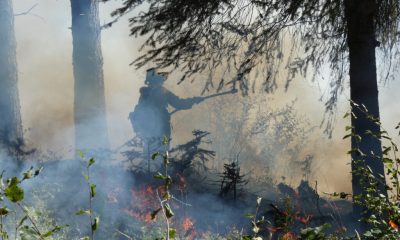
Community fears regarding BESS fire risk center on thermal runaway events. These incidents can produce dangerous chemical releases and intense heat. Older lithium-ion battery installations have previously caught fire. In addition, they created toxic smoke that is difficult for firefighters to suppress. However, industry researchers emphasize that safety engineering in newer facilities has reduced failure rates dramatically.
Public apprehension heightened after a major early-2025 fire at the Moss Landing facility in Monterey County, California. That incident burned for days and released 55,000 pounds of toxic metals into surrounding wetlands. Still, independent data shows that modern system designs are far safer than older technology.
The Electric Power Research Institute recently analyzed this trend. since 2018 Today, modern facilities use safer battery chemistries, lower operating temperatures, and isolated modular containers. Lakshmi Srinivasan authored the safety report. She explained that engineering updates have significantly contained potential hazards. “Specific design choices have really reduced not only the likelihood of a failure, but the impact of a failure if it happens,” Srinivasan said.
How Are Local Leaders Balancing Safety and Power Grid Demands?
Town councils and safety officials are balancing urgent power grid needs against resident protection. Specifically, they are drafting stricter local ordinances. Many communities support green energy goals in principle. Yet leaders insist on cautious zoning rules near neighborhoods. Consequently, officials are taking time to study modern fire codes before granting construction permits.
Meanwhile, industry experts urge energy companies to engage with town residents early in the planning process. Developers note that battery storage improves grid stability without increasing demand. In contrast, power-hungry data center developments require massive new supply. Furthermore, advocates stress that storing clean power reduces reliance on costly fossil-fuel peaker plants during extreme weather waves.
For rural and suburban towns, finding the right balance remains a challenge. Therefore, town boards are reviewing emergency response plans and consulting state energy experts. As energy demands grow, communities will continue shaping new rules. Ultimately, these ordinances will protect local neighborhoods while accommodating modern grid technology.
This article was produced with the assistance of AI and reviewed by our editorial team.
Sources
Related: Vergennes Battery Storage Project Paused Amid Safety Concerns
Related: Vermont Joins Multi-State Coalition in Vermont Offshore Wind Lawsuit