Alaska
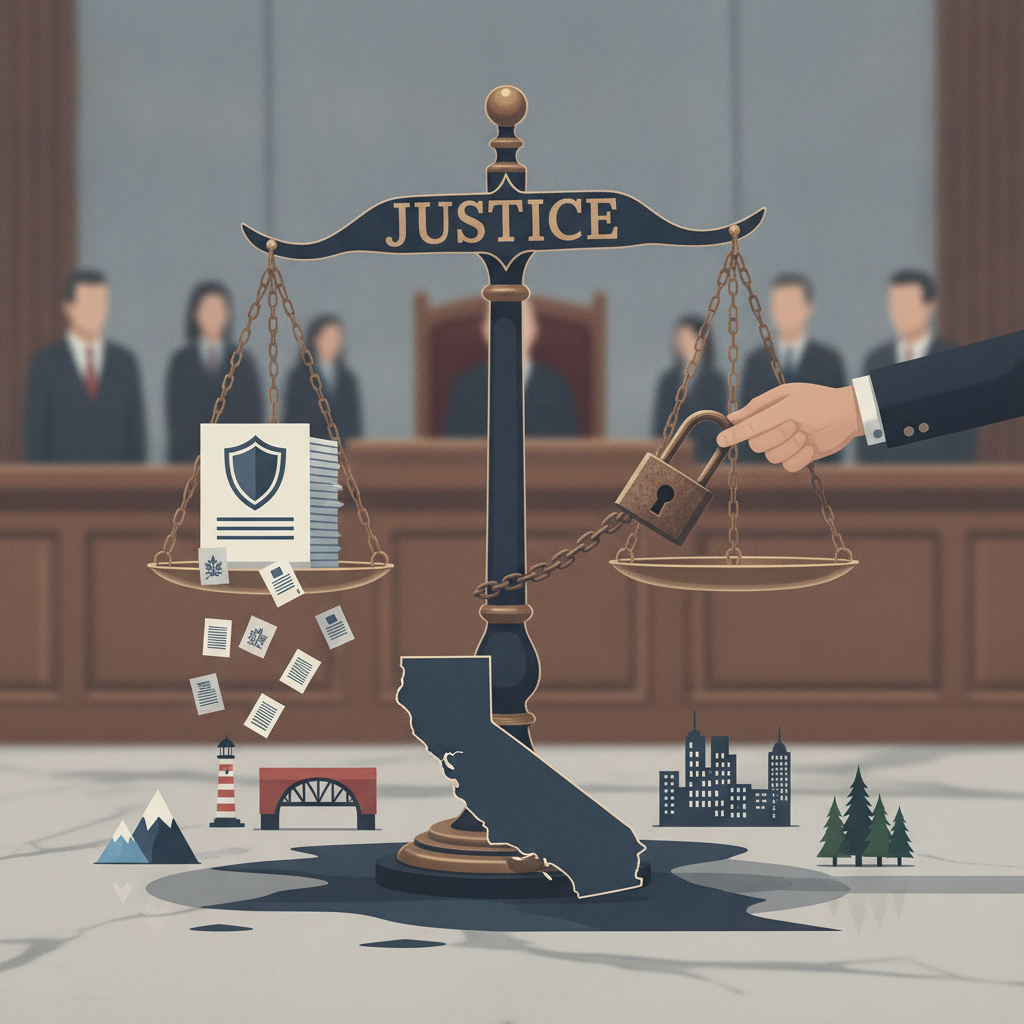
DOJ California Voter Lawsuit Dropped Following Court Rulings
The U.S. Department of Justice is dismissing a lawsuit that tried to force California to set aside the ballots of suspected noncitizen voters, marking the formal end of the Trump administration’s most aggressive effort to control vote counting in the…


Last updated:
Key points
- The U.S. Department of Justice formally dropped its lawsuit seeking to set aside 20,000 California ballots.
- The Supreme Court rejected an emergency federal request hours before Election Day, leading prosecutors to withdraw the case.
- Federal legal efforts in Washington state and Alaska Faced Similar Court rejections prior to post-election certification.
NewsWK — Federal Court decisions shape national election rules and public confidence. This matters for residents in Bennington County, Windham County, and nearby New York and Massachusetts border towns. Now, the U.S. Department of Justice has ended its legal effort to set aside thousands of California ballots. This decision follows the 2026 midterm elections.
What Does Federal Election Litigation Mean for Southern Vermont Voters?
Federal election policies directly affect how administrators nationwide manage voter registration rules. State laws govern voting procedures in Vermont. However, national legal battles establish critical precedents for voter access. Consequently, area residents follow these cases closely. They want to understand how federal courts balance ballot integrity and state authority.
Local town clerks in Bennington and surrounding communities maintain voter registries under state guidelines. However, national litigation often influences federal policy and congressional oversight. Therefore, federal legal actions in larger states retain broad relevance for voters nationwide.
Why Did Federal Prosecutors Drop the California Noncitizen Voter Suit?
Federal prosecutors abandoned the case because local election workers could no longer separate individual ballots. Tabulation had already begun. Assistant U.S. Attorney Julie A. Hamill explained this issue in court filings. She noted that challenged ballots would mix with verified votes before a scheduled hearing. Consequently, segregating the disputed ballots became impossible.
The legal dispute centered on a federal attempt to halt the processing of roughly 20,000 ballots. Federal officials compiled the targeted voter list through the U.S. Department of Homeland Security. However, local election officials strongly questioned the accuracy of the federal records.
The U.S. Supreme Court rejected an emergency request from federal attorneys hours before Election Day. Still, a federal judge in California had scheduled a Nov. 13 hearing to evaluate the federal list.
Los Angeles County Registrar-Recorder Dean Logan welcomed the dismissal of the lawsuit. Furthermore, he noted that state procedures already require strict identity checks and perjury attestations. Logan stated, “At each stage of this election, and in response to the Department of Justice, we have been clear that state and federal law sets well-defined standards for verifying and challenging voter eligibility.”
How Does the Department of Justice Voter Eligibility Lawsuit Compare to Other States?
The California challenge formed part of a broader national initiative. Specifically, federal officials sought to review state voter rosters ahead of the midterm elections. Federal attorneys also launched similar legal actions in Alaska and Washington state. However, federal judges there declined to halt ballot counting or delay election certifications.
What Role Did the Trump Administration Voting Lawsuit Play Nationwide?
The Trump administration voting lawsuit efforts targeted state election boards across several states. These actions aimed to alter local ballot processing routines. In addition, federal officials issued grand jury subpoenas and conducted field operations to examine registration files. Nevertheless, federal courts reaffirmed that states hold primary constitutional authority over elections.
In addition, federal attorneys took legal actions in several key states before election night:
- California: Federal attorneys sought to set aside 20,000 flagged ballots before dropping the action.
- Washington State: Federal officials requested that local clerks set aside approximately 400 ballots. However, a judge blocked the order.
- Alaska: Federal attorneys challenged U.S. Senate race certification rules. Ultimately, a federal judge dismissed the case.
- Los Angeles County: Federal prosecutors issued grand jury subpoenas to local election workers during the dispute.
Meanwhile, federal officials emphasized that investigations into potential voting violations will continue. First Assistant U.S. Attorney Bill Essayli addressed these ongoing efforts. He stated that federal authorities “will pursue every civil and criminal remedy to ensure only eligible American citizens vote in American elections.”
Despite those statements, the dismissal Ends Direct Federal Court interventions in 2026 midterm vote counts. Next, election officials nationwide will finish certifying results. Meanwhile, Congress prepares for its upcoming legislative session.
This article was produced with the assistance of AI and reviewed by our editorial team.
Sources
Related: Trump DOJ California Voting Supreme Court Motion Challenges State Election Laws
Related: US Supreme Court California Vote Counting Request Denied