
Bennington
Vermont Joins Multi-State Coalition in Vermont Offshore Wind Lawsuit
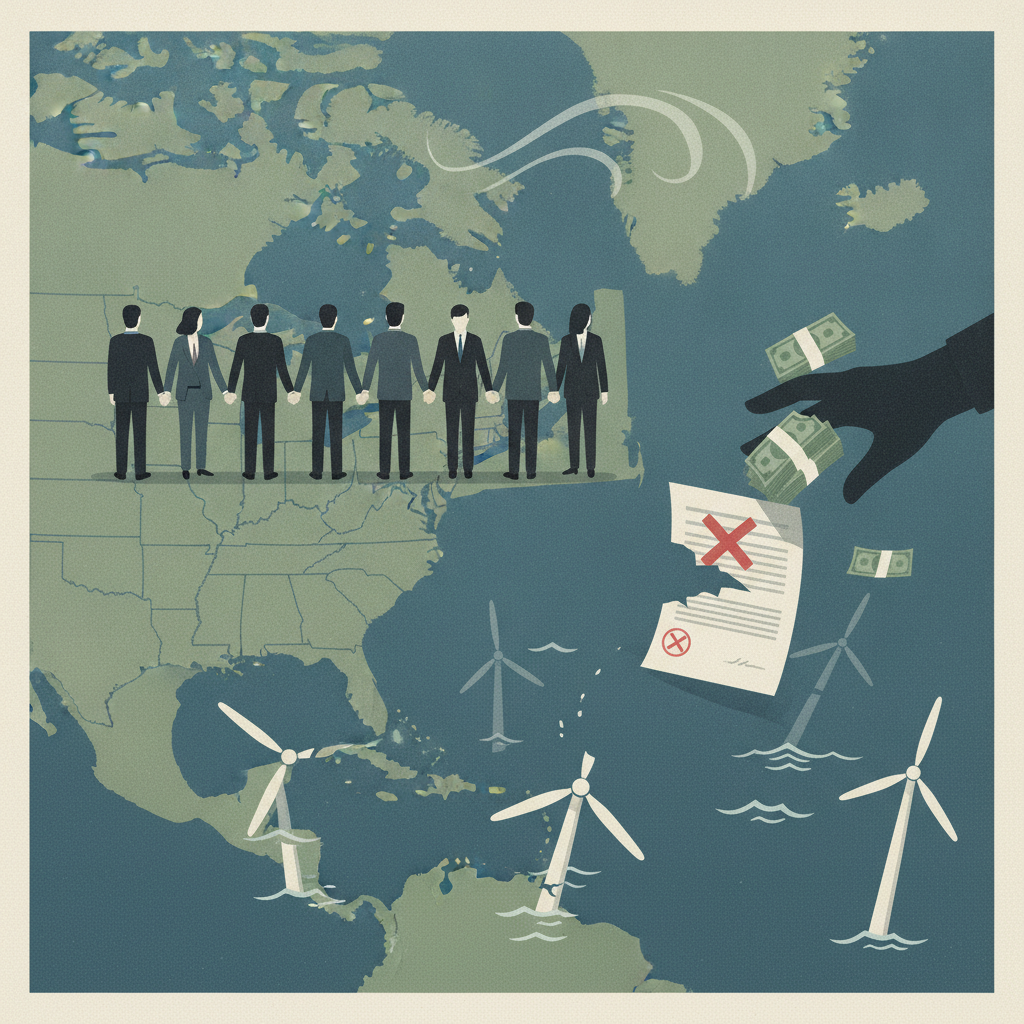
An eight-state coalition filed lawsuits Tuesday challenging the Trump administration’s payments to private companies to cancel offshore wind leases, escalating an ongoing legal battle over the government spending billions of dollars to block wind projects. Attorneys general from eight East…

Last updated:
Key points
- Vermont joined seven other East Coast states in a lawsuit challenging the federal government’s $1.4 billion buyout of offshore wind leases.
- The lawsuit argues that using the federal Judgment Fund to pay developers to cancel clean energy projects is illegal.
- Local officials hope blocking these buyouts will secure clean energy supplies and stabilize utility rates for Vermont consumers.
NewsWK — Vermont has joined a powerful coalition of East Coast states to challenge federal payouts that halt clean energy projects. This legal action directly impacts our local transition to renewable energy and regional grid stability.
Why it matters
Vermont relies heavily on the regional power grid. This grid needs more clean energy to keep electricity rates stable for local families. When federal actions block offshore wind projects, they reduce the supply of clean power. This drives up energy costs and threatens Vermont’s ambitious climate goals. This lawsuit aims to protect our state’s energy future and ensure taxpayer money is not used to subsidize fossil fuels.
What is the Vermont offshore wind lawsuit about?
The Vermont offshore wind lawsuit challenges the federal government’s decisions. Federal officials are paying private energy developers $1.4 billion to abandon major offshore wind projects. Vermont Attorney General Charity Clark joined seven other states to stop these federal payouts. Under the agreements, developers must reinvest taxpayer funds into oil and gas projects.
On Tuesday, September 22, 2026, the coalition filed lawsuits in two federal courts. The legal actions target the federal government’s agreements with developers Bluepoint Wind and Invenergy. These companies originally planned to build wind farms off the coast of New York and New Jersey. However, under the new federal agreements, the developers must abandon those plans.
Instead of generating clean electricity, the companies will receive massive federal payouts. They must then reinvest those funds into oil and gas projects across the nation. Vermont officials argue that this move actively harms the environment and local consumers.
Why is the Vermont Attorney General Trump lawsuit necessary?
The Vermont Attorney General Trump lawsuit is necessary to protect New England‘s transition to clean energy. It also works to prevent rising utility rates. By joining this legal coalition, Vermont aims to stop federal interference. This interference actively damages the regional electric grid and harms local consumers.
This legal fight directly addresses the Trump offshore wind buyouts, which critics argue violate federal law. Attorney General Charity Clark and other leaders want to ensure that federal agencies follow established environmental regulations. Without these offshore wind farms, Vermont may struggle to meet its long-term renewable energy standards.
How does the Judgment Fund offshore wind lawsuit impact taxpayers?
The Judgment Fund offshore wind lawsuit argues that the federal government illegally diverted public money. This money bought out clean energy leases. Congress reserved the Judgment Fund for court-ordered settlements. The administration should not use it to pay off developers.
The lawsuit details how the administration used the federal Judgment Fund to finance the buyouts. Congress created this permanent fund specifically to pay court judgments against the federal government. However, the states argue that the administration used the account as a political tool. They claim the government bypassed Congress to fund fossil fuel projects.
The coalition of states includes:
- Vermont
- Maine
- Massachusetts
- Connecticut
- Rhode Island
- New York
- New Jersey
- Delaware
These states filed their lawsuits in two federal courts. These courts are in New York and Maine. Meanwhile, California has filed its own separate lawsuits to protect wind projects along the Pacific coast.
Why do states sue Trump wind energy policies?
States sue Trump wind energy actions because these policies disrupt regional power grids and increase reliance on fossil fuels. East Coast states have set strict clean energy targets. These targets depend on offshore wind development, making federal interference a direct threat to local laws.
In total, the administration has pledged over $4 billion to energy companies to cancel a dozen offshore wind leases. This systemic campaign threatens the entire clean energy sector. Vermont is part of the ISO New England regional grid. Therefore, any reduction in regional clean energy production directly affects local power supply and consumer rates.
New Jersey Attorney General Jennifer Davenport strongly criticized the federal strategy.
"This Administration is paying developers to abandon building new sources of energy at a time when our grid needs more power," Davenport said.
She added that the president cannot redirect public funds to favor the fossil fuel industry.
The state attorneys general argue that the federal buyouts violate several key federal laws. These include the Outer Continental Shelf Lands Act and the National Environmental Policy Act. The coalition is asking federal courts to void the buyout agreements and restore the wind leases immediately.
What is the next step for Vermont?
The next step for Vermont involves waiting for the federal courts to rule. These courts are located in New York and Maine. If the courts block the Trump offshore wind buyouts, developers could immediately resume work. This would secure clean energy for our local power grid.
Local advocates hope the legal challenge will restore momentum to the wind sector. For residents in Bennington and surrounding communities, the outcome is critical. This case could determine the future of regional energy prices.
This article was produced with the assistance of AI and reviewed by our editorial team.
Sources
Related: Border County Tax Pressures Mount as New York Shifts SNAP Costs
Related: Federal Offshore Wind Policy Southern Vermont Communities Are Watching Amid East Coast Delays
See a typo? Report it here.