Bennington
Controlled Burns and Forest Defense: Lessons from Community Fire Programs
Story and photos by Alex Brown ROSLYN, Wash. — In less than an hour, this hillside will be ablaze — sparks flying, smoke swirling, the forest floor turning into a black carpet. That’s all part of the plan. Here in…

Last updated:
Key points
Controlled Burns and Forest Defense: Lessons from
- Communities in Washington state are using controlled, low-intensity prescribed burns to create defensive buffers against wildfires.
- Training programs emphasize plant moisture analysis, clean air compliance, and slow containment burns to protect mature tree canopies.
- Grassroots burn associations demonstrate how proactive fuel management restores forest ecology and reduces wildland fire hazards.
NewsWK — For heavily forested regions like Bennington County and the neighboring Taconic and Green Mountain foothills, maintaining healthy woodlands while guarding against fire hazards is an enduring priority. Community initiatives in Washington state are highlighting how targeted, low-intensity prescribed burns can safeguard rural settlements and revitalize local landscapes.
In towns surrounded by dense timber, decades of aggressive fire suppression have led to an accumulation of deadwood, thick brush, and fallen needles. When dry conditions arrive, that excess undergrowth serves as dangerous kindling for larger blazes.
Why it matters here
While southern Vermont and the surrounding northern Berkshire and Rensselaer borders generally experience different climate conditions than the Pacific Northwest, woodland management remains critical to our region. Densely wooded hillsides in towns like Woodford, Shaftsbury, and Pownal border residential properties, making understanding fuel loads and wildland-urban interface protection increasingly relevant for local landowners and municipal planners.
Proactive forestry techniques, including mechanical thinning and carefully planned burns, show how communities can build physical buffers around neighborhoods before severe weather or dry spells heighten risk.
How Targeted Burns Are Carried Out
In the mountain town of Roslyn, Washington, civic leaders and regional agencies have embraced prescribed burns to build defensive perimeters. A recent 55-acre operation brought together 30 participants representing six organizations and multiple regional fire districts.
Before any flame is lit, burn managers undergo extensive instruction. Training overseen by Kyle Lapham of the Washington Department of Natural Resources covers plant moisture levels, weather conditions, sampling grids for forest fuels, and compliance with federal clean air regulations regarding smoke dispersal.
On the ground, crews rely on strict containment methods to keep fires manageable:
- Vegetation along the planned boundary is thoroughly wetted down in advance.
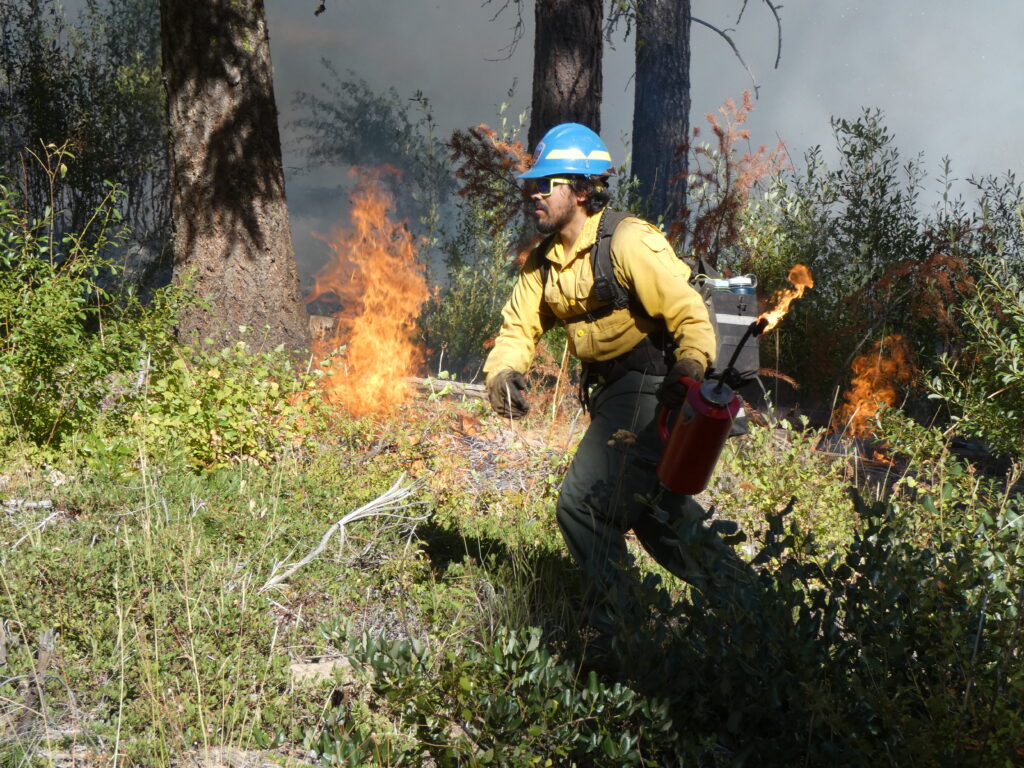
- Crews use drip torches to light a backing fire that creeps slowly against the wind.
- This initial slow burn establishes a charred containment strip, known as a black line, along dirt roads and access paths.
- Teams fan out across the interior slope to clear forest litter while monitoring for falling embers.
By removing brush and ladder fuels, which can carry flames upward into the canopy, the operation leaves mature trees largely undamaged while eliminating the materials that feed severe blazes.
Restoration and Community Partnerships
Local leaders in Washington are linking these burns together in a protective semicircle around residential zones. The resulting landscape also rebounds quickly, with native grasses and wildflowers thriving beneath blackened tree trunks within a few seasons.
Roslyn has even developed a public Forest Resilience Trail across previously treated acreage, turning woodland restoration into an educational asset for residents and visitors alike.
Grassroots associations, such as the Mt. Adams Prescribed Burn Association, are expanding these efforts by hosting international training exchange programs on private property. These workshops provide practical field experience for landowners and fire crews while demonstrating that low-intensity fire can serve as a restorative stewardship tool rather than an uncontrolled hazard.
What to Know About Smoke and Safety
Safety planning remains the primary consideration for any prescribed fire program. Teams must monitor ambient wind patterns, road visibility for nearby motorists, and atmospheric conditions to minimize smoke exposure for surrounding neighborhoods.
As rural communities across the country continue to assess forestry practices, these collaborative programs highlight the value of cross-agency training and proactive fuel reduction in keeping residential areas safe.
This article was produced with the assistance of AI and reviewed by our editorial team.
Sources
Related: Fire Truck Price Hikes and Long Delays Spark Federal Antitrust Fight
Related: How Towns Use Controlled Burns to Prevent Wildfires
Related: Prescribed Fire Training Expands to Help Landowners Manage Forests
Related: Arlington Fire Department Carnival Marks 100 Years of Service
Related: Halfmoon NY House Fire Displaces Four Residents
See a typo? Report it here.