Arlington
How Rising Household Water Bills Strain Budgets in Bennington County
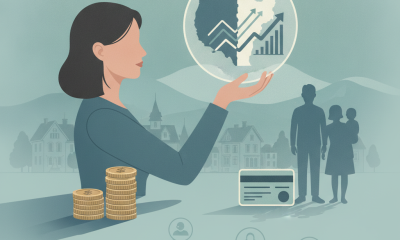
Household water bills are increasing faster than inflation and income, according to a new analysis. The environmental advocacy nonprofit Food and Water Watch analyzed water bill data among the nation’s 500 largest community water providers. Those systems serve a collective…

Last updated:
Key points
- A national study reveals that average household water bills increased by 62% between 2015 and 2025, far outstripping overall inflation.
- Water utility rates rose 19% faster than household incomes, placing an increasing financial burden on residential consumers.
- Southern Vermont families face compounding budget pressures this winter due to rising heating oil costs and electric utility hikes.
NewsWK — Southern Vermont families are facing a growing squeeze on their monthly budgets. While many residents watch grocery prices and heating bills, another utility cost is rising quietly. A major national study shows that household water costs are climbing faster than inflation. This trend poses a real challenge for communities from Pownal to Manchester.
How do rising water costs affect Southern Vermont families?
Rising water costs squeeze local household budgets, forcing families in Bennington and surrounding towns to make difficult financial choices. When water rates outpace local wages, residents must stretch their incomes further. They must choose between paying for water, groceries, or winter heating fuel.
For families in Bennington, Shaftsbury, and Arlington, every dollar matters. Local water systems require constant upkeep to deliver clean drinking water. However, maintaining these aging pipes and treatment plants requires significant funding. If municipalities pass these costs directly to consumers, local bills will rise. This burden falls hardest on seniors and low-income households in our region.
What did the Food and Water Watch water bill study reveal?
The landmark Food and Water Watch water bill study analyzed the nation’s 500 largest water systems. It revealed a staggering 62% average water bill increase between 2015 and 2025. This surge significantly outpaced overall inflation and grew twice as fast as grocery prices during that ten-year window.
The study focused on water systems serving 155 million people. This represents nearly half of the United States population. Researchers discovered that water bills rose 19% faster than average household incomes. Therefore, families are spending a much larger portion of their earnings on basic water service. The study also highlighted massive regional differences across the country. For example, Idaho households paid an average of $286 for water last year. Meanwhile, West Virginia households faced a steep average cost of $1,383.
Why is water bill inflation outstripping household income?
Water bill inflation is outstripping household incomes because municipalities must fund massive, overdue infrastructure repairs and combat environmental contamination. Private, for-profit Water Companies Also Drive up costs. They charge residential users significantly more than publicly managed municipal systems.
Aging infrastructure presents a massive challenge for water districts. The American Water Works Association estimates that drinking water systems need $2.4 trillion over the next 25 years. These funds will help modernize and sustain aging pipes and treatment facilities. If users bear these costs alone, average bills could more than double by 2050. Additionally, private ownership often worsens the financial burden on local families. The study found that for-profit water companies charge higher rates than public utilities. This is because private entities must generate profits for their shareholders.
How do other utility rate hikes compound the financial pressure?
Upcoming utility rate hikes for home heating will compound the financial pressure on Southern Vermont families this winter. Northeast households rely heavily on heating oil for winter warmth. They face projected heating cost increases that average nearly nine percent, straining tight winter budgets.
This winter, heating oil costs could soar 50% higher than last year. Global conflicts and market disruptions continue to drive these petroleum price hikes. Meanwhile, electric bills also continue to rise across the region. These combined utility rate hikes force local families to make tough trade-offs. Residents in colder areas like Woodford and Searsburg feel this impact immediately. Therefore, rising water costs represent just one piece of a larger financial squeeze.
What steps can communities take to address these rising costs?
Communities can protect residents by maintaining public control of water systems and seeking federal funding for infrastructure upgrades. Holding industrial polluters financially accountable for contamination also helps. It prevents clean-up costs from falling directly on local residential water users.
The study offers several key recommendations for local and state governments:
- Maintain public ownership and local control of water systems.
- Hold corporate polluters accountable for chemical contamination.
- Prevent agricultural and tech industries from shifting costs to residents.
- Lobby Congress for robust federal funding for water infrastructure.
By taking these steps, communities can keep water affordable. Our local leaders in Bennington County must explore these solutions. Ensuring safe, affordable water remains essential for the health of our neighborhoods.
This article was produced with the assistance of AI and reviewed by our editorial team.
Sources
Related: Bennington Water Costs: Rising Rates and Climate Impacts on Household Bills
Related: Utility Rate Hikes Southern Vermont: Local Impact of Rising Energy Cost Proposals
See a typo? Report it here.