New York
Regional Leaders Watch NYC Homeless Encampment Sweeps As Property Disputes Grow
Despite policy changes and a court order, unhoused people say the city’s recent encampment sweeps still led to lost belongings.

Last updated:
Key points
- New York City sweeps continue to face scrutiny as unhoused residents report that city workers regularly discard vital personal belongings against federal court orders.
- Despite over 175 sweeps conducted between January and May, city records reveal that the Department of Homeless Services stored belongings only 15 times.
- The city has failed to update its internal directives to match a federal court order expanding the list of personal property eligible for storage.
NewsWK — Many Southern Vermont residents travel to New York City regularly. Therefore, local leaders watch regional housing policies closely. A recent report details the ongoing struggles with urban homelessness.
What is the reality behind the Mamdani homeless policy NYC?
The Mamdani homeless policy in NYC aimed to turn encampment cleanups into housing efforts. However, recent findings reveal a major gap between official promises and street-level reality. Unhoused residents report that city workers regularly throw away essential personal belongings. Consequently, these operations often disrupt vulnerable lives instead of providing stable shelter.
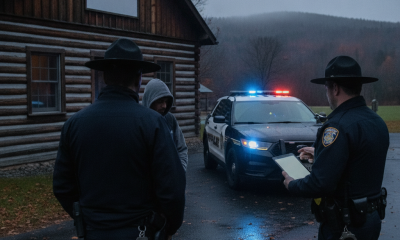
In February, Mayor Zohran Mamdani reinstated the cleanups after a cold winter. At least 29 unsheltered people died during that freezing weather. Consequently, the City Council questioned if better outreach could have saved lives. The administration then promised to reform the process. For example, officials pledged seven days of intense outreach before any cleanup. In addition, they put the Department of Homeless Services in charge instead of the police.
During Fiscal Year 2026, the city referred over 13,032 unsheltered people into housing. As a result, this marked a 20 percent increase from the previous year. Still, the city faces intense scrutiny over its cleanup methods. Erin Dalton, commissioner of the Department of Social Services, defended the program. Dalton stated, “I personally don’t think of these as cleanings or sweeps or moves, but as focused housing efforts.”
Why are homeless belongings discarded NYC during these operations?
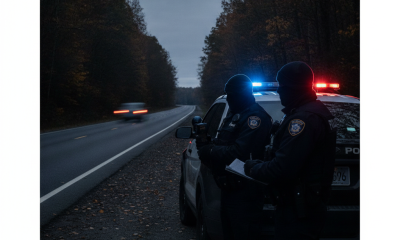
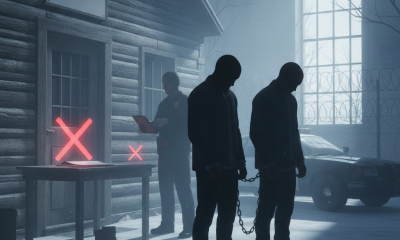
Workers discard belongings because city staff rarely follow mandated property storage Rules. Although Federal Court orders protect personal property, city records show that staff seldom store items. Between January and July, the city stored items only 15 times during more than 175 sweeps. In practice, outdated guidelines leave personal possessions unprotected.
A Federal Court order requires the city to offer storage for bedding, clothing, and hygiene products. Moreover, it gives people 90 days to reclaim their property. Yet, internal directives for the NYC DHS encampment sweeps remain outdated. For instance, current guidelines still claim workers cannot store liquid hygiene products or small appliances. Furthermore, only one person successfully retrieved stored belongings from the city this year.
This court order arose from a lawsuit by the Urban Justice Center. Specifically, the group sued the city for violating civil rights through property destruction. Under the ruling, the city must store property even when the owner is absent, provided they are identifiable. However, the city failed to update its internal manuals. As a result, staff continue to operate under outdated rules from June 2024.
According to witnesses and residents, workers discarded several essential items:
- Government identification and birth certificates
- Heart and respiratory medications
- Bedding, blankets, and winter clothing
- Computers and personal paperwork
How do NYC DHS encampment sweeps affect individual residents?
The NYC DHS encampment sweeps often leave vulnerable individuals without basic necessities. Specifically, residents report losing vital government identification, critical medications, clothing, and shelter. Because workers discard these possessions, unhoused people struggle to secure permanent housing or maintain their health. Consequently, sweeps create severe daily setbacks for displaced people.
Witnesses described several incidents where city employees discarded belongings. For instance, downtown Manhattan resident William Galarza lost two bags of clothing and food. He sought a single transitional room but has not received one. In addition, he avoids congregate shelters because of past trauma. Meanwhile, Liam James lost a computer and bedding during an April cleanup. James stated, “Anything that I was keeping, they were just throwing it away unless I had it in my arm, holding it.”
Similarly, resident Cullom Stanley lost his partner’s heart medication and nebulizer during a March operation. Consequently, his partner went without medication for two weeks. City officials dispute these claims. Nevertheless, advocates argue that the current system fails to protect vulnerable people.
Ultimately, these regional developments highlight the complexity of managing homelessness. Meanwhile, community groups in Southern Vermont continue to advocate for compassionate housing solutions. Therefore, local leaders can learn from these urban challenges to build better systems closer to home.
This article was produced with the assistance of AI and reviewed by our editorial team.
Sources
Related: Federal Housing Bill Bennington VT: What Trump’s Standoff Means for Local Residents
See a typo? Report it here.