Arlington
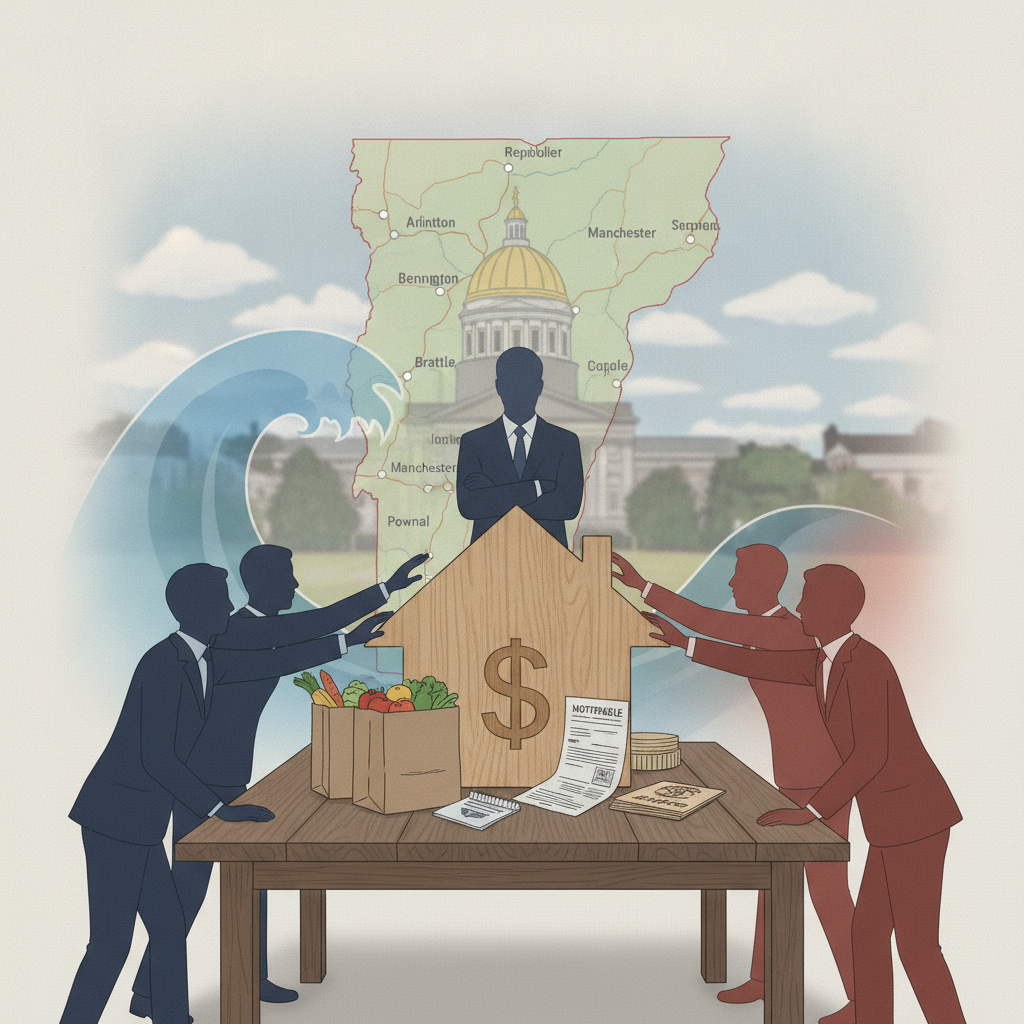
AFFORDABILITY TAKES CENTER STAGE IN MONTPELIER AS MODERATE DEMOCRATS AND GOV. SCOTT NAVIGATE DIVIDED MANDATE
Democrats flipped red states by focusing on kitchen table issues, not progressive ideology. Vermont lawmakers should take the same lesson and get to work on affordability. Read the story on VTDigger here: Vermont’s blue wave has red edges.

About Vermont politics moderate Democrats

Last updated:
By Randy Breland, Editor | Bennington.newswk.com
MONTPELIER, VT — As Vermont lawmakers prepare for the upcoming legislative session, household affordability has emerged as the dominant issue from Bennington to Brattleboro. Following a November 3, 2026, general election in which voters reelected Republican Gov. Phil Scott to a sixth term while returning Democrats and Progressives to veto-proof majorities in the House and Senate, moderate Democrats are positioned to play a pivotal role in shaping state tax and spending policy.
What the Split-Ticket Election Means for Southern Vermont
Across Bennington and Windham counties, November’s results reflected a familiar Vermont dynamic: voters backed legislative Democrats in local races while simultaneously giving strong support to Gov. Scott. In Bennington County‘s Bennington-5 House district, for example, Democrats won both seats even as voters across surrounding towns supported the Republican governor.
In a November 22 opinion column published by VTDigger, longtime State Rep. Mike Mrowicki (D-Putney) argued that Vermont’s election map shows why lawmakers should focus on kitchen-table affordability rather than purely ideological agendas.
“Even here in Vermont, moderate Democrats made the difference and reelected Gov. Phil Scott,” Mrowicki wrote, adding that “expectations of a purely progressive agenda should be moderated by looking at the electoral map that elected Scott,” where blue strongholds like Burlington and Brattleboro were balanced by purple and red towns across the rest of the state.
Household Budgets Under Pressure Across Bennington County
For families in Bennington, Arlington, Manchester, Pownal, and neighboring towns, everyday living expenses remain a central concern heading into winter:
- Heating Fuel Spikes: According to U.S. Energy Information Administration and state fuel tracking, Vermont residential heating oil prices rose from roughly $3.53 to $3.72 per gallon during late 2025 and early 2026 to over $6.00 per gallon in October 2026, sitting at $5.62 per gallon in mid-November—more than 50% above the prior year.
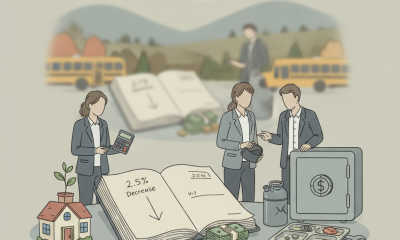
- Property Taxes & School Budgets: Local school boards and municipal officials continue working to manage rising operational and healthcare costs while trying to limit property tax increases ahead of Town Meeting Day in March.
- Housing, Food & Healthcare: Working families and small business owners across Southern Vermont continue citing housing availability, grocery prices, and healthcare premiums as primary financial strains.
How Moderate Democrats Influence State House Negotiations
Although Democrats and Progressives hold combined supermajorities in both the 150-member House (109 seats) and 30-member Senate (21 seats) for the upcoming term, the caucus encompasses a wide ideological range between urban progressives and rural moderates.
Lawmakers representing smaller, rural communities in Southern Vermont frequently emphasize aligning state spending with sustainable tax revenues and protecting rural residents from higher fees or property taxes. At the same time, many Democratic lawmakers continue pushing for targeted state investments in affordable housing, child care, healthcare access, and climate resilience.
Because overriding a gubernatorial veto requires a two-thirds vote in both chambers, moderate Democrats often hold the deciding votes on whether lawmakers compromise with Gov. Scott or override his objections.
Balancing Fiscal Restraint and State Investments
Gov. Scott’s reelection victory—winning 52.5% of the vote—reinforced voter appetite for fiscal restraint and limits on new taxes and fees. Meanwhile, legislative majorities have signaled plans to address housing shortages, education funding reform, and rising energy and healthcare costs.
Key affordability issues awaiting lawmakers when the session convenes in January include:
- Containing statewide education property tax growth while supporting local public schools.
- Supporting home weatherization and heating assistance programs as fuel oil prices remain elevated.
- Expanding housing supply and incentivizing starter-home and workforce housing development in rural counties.
- Managing healthcare and hospital cost pressures across regional networks.
Civil Discourse and the Road Ahead
In his VTDigger commentary, Rep. Mrowicki—who also volunteers with the National Institute for Civil Discourse—noted that Vermont’s tradition of relatively civil campaign debates helps lawmakers and the governor collaborate once the election is over.
As state leaders prepare to gavel in for the new term, residents across Bennington County and Southern Vermont will be watching closely to see how Gov. Scott, legislative leaders, and moderate Democrats bridge their differences to deliver tangible relief on everyday living costs.
This article was produced with the assistance of AI and reviewed by our editorial team. Based on reporting and commentary from VTDigger, WAMC, and state energy data.
📋 Cleaned Reference List (For Your Editorial Records)
- VTDigger: Opinion: Vermont’s blue wave has red edges by Rep. Mike Mrowicki (Nov. 22, 2026)
- WAMC Northeast Public Radio: Vermont voters reelect GOP governor while giving legislative Democrats a supermajority (Nov. 4, 2026)
- U.S. Energy Information Administration / Vermont Department of Public Service: Weekly Residential Heating Oil Prices in Vermont (Nov. 2026)
Related: New York 2026 Election Results: Key Upstate Takeaways and Local Impact
Related: across the country
Related: DOJ Election Monitors 2026: Federal Observers Deploy to All 50 States
Related: 2026 Election Day Smooth Voting Holds Across Nation and Region
Related: Federal Housing Bill Bennington VT: What Trump’s Standoff Means for Local Residents