Alaska
Noncitizen Voting Ballot Measures Spread Across State Ballots
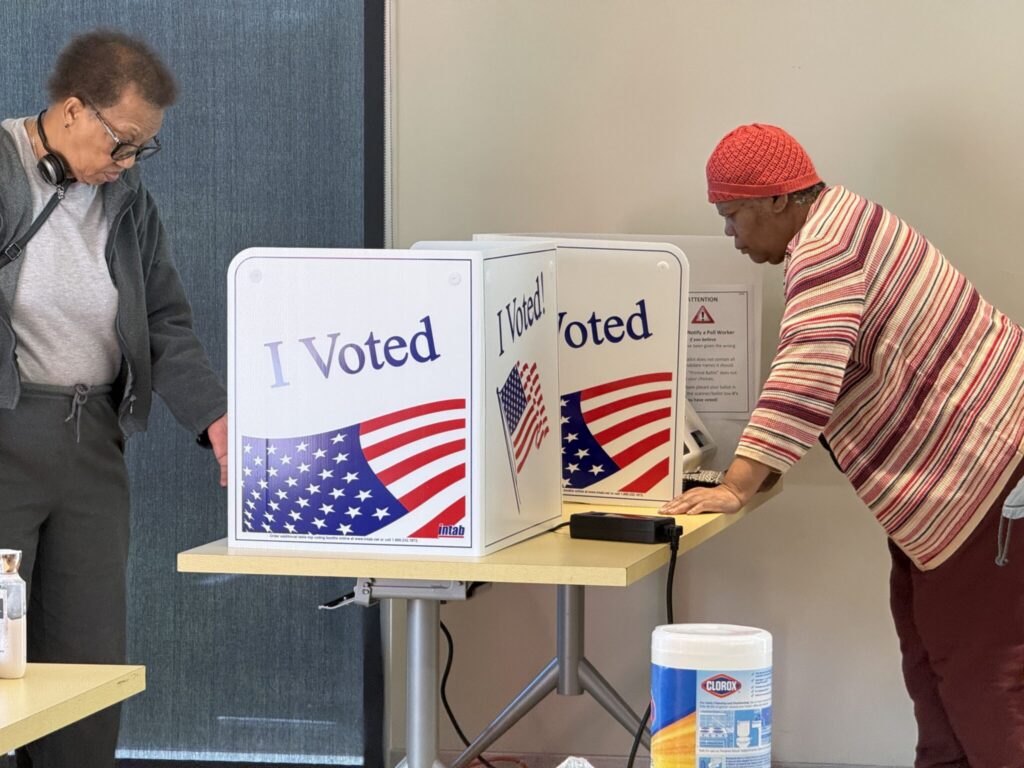
Voters in six states are considering ballot measures in the midterm elections that would make it clear that only U.S. citizens may vote — and block local governments from expanding that right to others. Proposed constitutional amendments in Alaska, Arizona, Arkansas,…

Last updated:
Key points
- Six states are considering constitutional amendments to restrict local voting strictly to U.S. citizens.
- Vermont currently allows individual municipalities to permit noncitizen voting in local and school elections.
- State audit data shows noncitizen voter registration remains extremely rare nationwide.
NewsWK — Vermont communities sit at the center of national discussions surrounding municipal voting eligibility. Several Green Mountain State towns allow noncitizen residents to participate in local elections. Meanwhile, voters in six other states are considering measures to block similar policies.
Statewide ballots in Alaska, Arizona, Arkansas, Kansas, South Dakota, and West Virginia feature constitutional amendments this year. Specifically, these proposals would explicitly restrict municipal voting to United States citizens. Federal law already restricts federal elections to citizens. Furthermore, no state permits noncitizens to vote in statewide contests.
What does noncitizen voting Vermont policy mean for local communities?
Vermont laws allow cities to grant voting rights to noncitizen residents for local municipal decisions and school board races. Meanwhile, a growing national movement seeks to halt local expansions elsewhere.
In total, 21 local jurisdictions permit noncitizens to participate in municipal elections. These areas span California, Maryland, Vermont, and Washington, D.C. Supporters in these communities argue that local decisions impact all residents regardless of citizenship status. For example, noncitizen parents often cast ballots in school board elections where their children attend local classes.
Southern Vermont municipalities retain strict compliance with state and local election charters. Additionally, these voters must meet standard residency requirements. Local election officials manage voter rolls according to established state protocols.
How do citizen only voting amendments change municipal rules?
State measures amend constitutional language to restrict local municipal options. Specifically, these amendments replace phrasing like “every citizen may vote” with “only citizens may vote.” Therefore, they prevent individual towns from expanding voter lists. This change removes local authority to include noncitizen parents in school district decisions or municipal budget votes.
Legal experts note that historic state constitutions used open phrasing to guarantee citizen rights. Previously, courts interpreted phrases like “every citizen” as a baseline guarantee rather than a strict limit. Consequently, some cities used home-rule authority to invite noncitizen residents into local municipal governance.
The new constitutional proposals eliminate that flexibility. By adding precise limiting language, state lawmakers ensure that local charters cannot expand voting rights. Proponents believe this uniform approach protects state sovereignty. Moreover, it maintains clear boundaries for public participation.
Why are states introducing noncitizen voting laws in midterm elections?
Proponents argue that constitutional amendments create clear, preemptive standards before local governments can alter eligibility rules. Voters in Alaska, Arizona, Arkansas, Kansas, South Dakota, and West Virginia face proposals restricting voting strictly to citizens. Supporters emphasize that national eligibility standards protect civic integrity. Conversely, critics view the measures as voter turnout strategies.
“If you want to vote, we believe, philosophically, ideologically, that you should be a citizen before you get a say in how a city, state or country runs things,” said Jack Tomczak, vice president of outreach for Americans for Citizen Voting.
Political analysts suggest these ballot initiatives also serve as primary turnout drivers during midterm cycles. For instance, conservative leaders aim to energize voters in competitive states like Arizona and Alaska. High-profile state ballot questions often draw larger crowds to local polling places.
Conversely, voting rights scholars express concern over state restrictions on local governance. Joshua Douglas is an election law professor at the University of Kentucky Rosenberg College of Law. “The locality can define who their community is, who their electorate is, and that they shouldn’t be excluding people who are within that community as they’ve chosen to define it,” Douglas said.
What do state audits reveal about noncitizen participation in elections?
State election audits show that actual voting by noncitizens remains extremely rare across the nation. Official investigations in Georgia, Iowa, and Utah identified only a tiny fraction of noncitizen registrations among millions of voters. Despite these low figures, state lawmakers continue proposing stricter proof-of-citizenship rules and constitutional barriers.
Recent state investigations provide concrete numbers regarding registration records:
- Georgia officials audited 8.2 million registered voters in 2024. They found 20 noncitizens on the rolls.
- Iowa investigators reviewed 2.1 million voter records in 2025. Ultimately, they confirmed 277 noncitizen registrations.
- Utah completed a yearlong audit of two million registered voters. Officials discovered 27 confirmed noncitizens.
These figures demonstrate that noncitizens represent a minute percentage of registered voters nationwide. In Georgia, for example, noncitizens made up roughly 0.000002% of total registrants. Despite these small totals, legislative interest in voter eligibility standards remains high across many state capitols.
How do state ballot measures voting rights impact national voting trends?
Recent election cycles show strong public backing for stricter voter eligibility standards across multiple states. Between 2018 and 2024, voters approved 15 different constitutional measures focused on citizenship requirements. Furthermore, these proposals consistently passed with high voter margins. This trend reflects widespread interest in formalizing state election frameworks.
On average, voters approved those 15 state measures with 73% support. Republican lawmakers initiated most proposals. However, Democratic legislators in states like Iowa also supported citizenship rules. This bipartisan backing underlines broad public consensus regarding clear voting definitions.
Meanwhile, several states have enacted strict proof-of-citizenship requirements for voter registration. Specifically, Florida, Mississippi, South Dakota, and Utah now require official documentation before residents can join voter lists. Voting rights advocates estimate that roughly 12% of eligible citizens lack immediate access to required paper documents.
What lies ahead for local election policies?
State ballots will finalize results this election season. Afterward, local municipalities will monitor potential changes to governance rights. In Vermont, local charter changes require legislative approval before taking effect in any town. For now, municipalities in Bennington County and Southern Vermont continue operating under existing election statutes.
Ultimately, clear rules ensure every eligible resident can participate in upcoming municipal and state elections.
This article was produced with the assistance of AI and reviewed by our editorial team.
Sources
Related: How the Noncitizen Voting Supreme Court Ruling Impacts Southern Vermont Voters Ahead of the Midterms
Related: 2026 New York Election Guide: Key Voting Dates, Rules, and Local Impact
See a typo? Report it here.