Bennington
Trump Green Card Restrictions Lawsuit: VT, NY Join Challenge
States, cities and counties filed a pair of lawsuits Monday challenging new federal rules that will allow immigrants’ use of safety net resources to be taken into account for green cards and other applications to stay in or enter the…

About Trump Green Card Restrictions Lawsuit
Last updated:
Key points
- Vermont, New York, and 20 other states filed a federal lawsuit to block new green card public charge restrictions.
- The federal policy permits immigration officers to deny residency based on Medicaid, CHIP, SNAP, or housing assistance use.
- State officials estimate the change could cost plaintiff states more than $2.2 billion in federal healthcare funding.
NewsWK — Federal policy changes could soon alter how immigrant families access essential assistance programs. This shift affects residents across Bennington County and neighboring border towns. Therefore, Vermont, New York, and Massachusetts joined a major legal coalition on Monday. They aim to stop federal penalties against lawful green card applicants who use safety net support.
The two legal complaints challenge new Department of Homeland Security regulations. These rules broaden immigration officers’ authority. Because our region borders eastern New York and northern Berkshire County, federal immigration rules matter locally. In fact, they directly influence community healthcare providers and public schools across our valleys.
Why it matters
This lawsuit directly protects working families and healthcare networks across Bennington, Manchester, and adjacent border towns. The revised federal public charge definition could force legal immigrants to abandon food stamps, healthcare coverage, and housing help. Consequently, local clinics face rising uncompensated emergency care costs as families disenroll from primary care services.
Local schools and nutrition programs also face immediate consequences. When households drop assistance, fewer resources reach children who qualify as United States citizens. In addition, area social service agencies issue clear warnings. They argue that avoidable administrative confusion could drain municipal resources and hurt overall public health.
What Is the Vermont Public Charge Lawsuit About?
The Vermont public charge lawsuit challenges a federal rule scheduled to take effect Friday. Under this policy, immigration officials can deny green cards, visas, or entry to applicants using non-cash safety net programs. Therefore, the legal challenge seeks an immediate injunction in the U.S. District Court for the Southern District of New York.
Twenty-two states and the District of Columbia joined the lawsuit. They filed against the Department of Homeland Security and U.S. Citizenship and Immigration Services. In addition, a coalition of major cities and counties filed a companion case in the same court. Both legal filings claim the federal government exceeded its authority by overturning established standards.
Under the contested policy, federal screeners can evaluate whether an applicant relies on safety net benefits. The government considers such reliance grounds for inadmissibility under federal law. Specifically, the administration rescinded a 2022 policy. That previous rule protected non-cash benefits from public charge evaluations. However, administration officials argue the changes safeguard taxpayer money and encourage immigrant self-sufficiency.
What Does the Public Charge Rule Lawsuit Target?
The public charge rule lawsuit targets federal restrictions that penalize immigrants for accessing standard healthcare and food support programs. State attorneys general argue the policy creates harmful ambiguities for applicants. Consequently, qualifying immigrants may avoid critical assistance out of fear. This hesitation can trigger preventable illnesses and cause widespread family hardship.
Specifically, the federal guidance permits immigration screeners to weigh several essential assistance programs against applicants:
- Medicaid healthcare coverage
- Children’s Health Insurance Program (CHIP) enrollment
- Supplemental Nutrition Assistance Program (SNAP) food benefits
- Public housing and voucher assistance
How Will Federal Funding Losses Affect States?
Federal funding losses could strip billions of dollars from state programs due to widespread disenrollment. DHS estimates cited in the litigation suggest states could lose roughly $4.05 billion annually in Medicaid and CHIP transfer payments. Furthermore, the plaintiff states alone could lose approximately $2.2 billion in federal support.
In addition, the legal filings estimate nationwide losses of about $1 billion in SNAP payments. The 22 plaintiff states account for roughly $575 million of that projected reduction. When federal reimbursements decline, state taxpayers must absorb the financial shortfall instead.
As a result, state governments will face staggering costs as they fill budget gaps. Agencies must also shoulder higher administrative burdens to navigate changing federal standards. Meanwhile, public health systems will struggle. Delayed medical care inevitably leads to higher rates of chronic disease.
How Does the Immigrant Public Benefits Green Card Rule Harm Health?
The immigrant public benefits green card rule harms public health by discouraging preventive doctor visits and routine pediatric appointments. As a result, local healthcare networks often face higher emergency room costs when patients skip primary care. Furthermore, children who miss routine checkups face severe, long-term health risks.
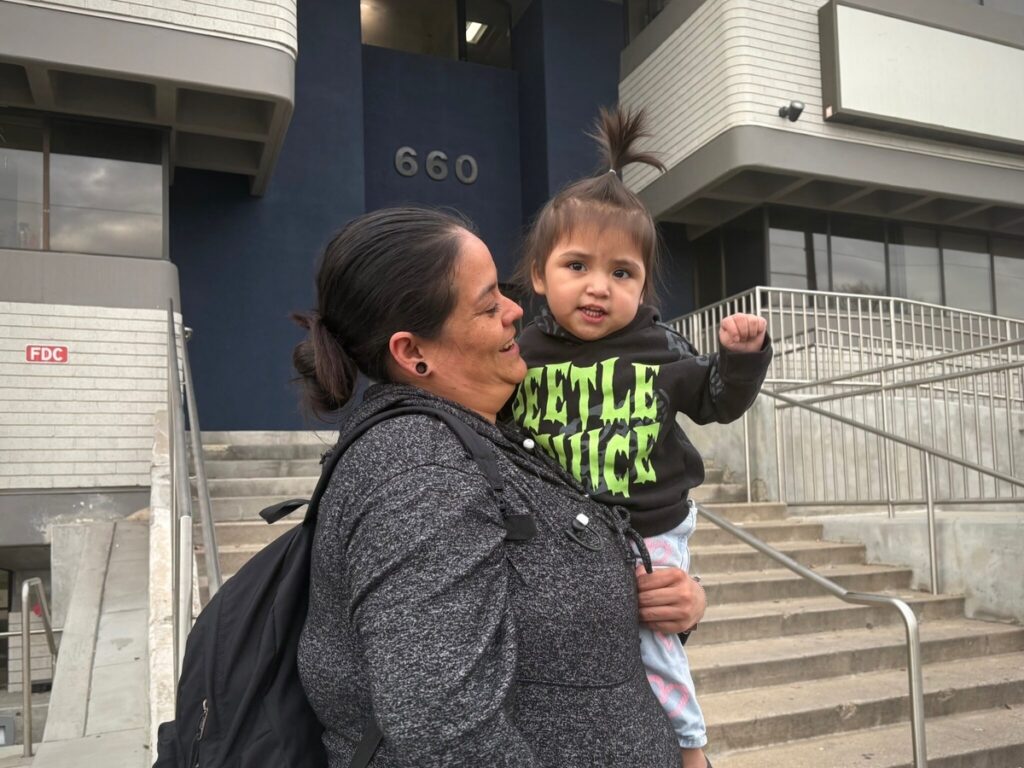
A parallel lawsuit filed by cities and counties estimates that 1.3 million people, including 600,000 children, could lose coverage. New York City led that municipal lawsuit. The city anticipates losing 6,000 primary care visits each year. Moreover, city leaders warn that fear will prevent people from seeking necessary care.
“The new public charge rule seeks to push immigrant families away from the programs that have kept people fed and healthy for decades,” New York City Mayor Zohran Kwame Mamdani said. “New Yorkers will be afraid to see a doctor or ask for help they are legally entitled to. That fear will not stop at the families that the federal government is targeting. Families who remain fully eligible for benefits will feel a chilling effect and all New Yorkers will pay for it.”
In addition, municipal officials noted that children may drop out of subsidized education programs. For example, roughly 19% of Seattle residents and 26% of King County residents rely on early learning assistance.
What Are the Next Steps for the Courts?
Federal judges in Manhattan will review the requests for emergency relief before the federal policy takes effect on Friday. If the court issues an injunction, officials must pause the new green card restrictions nationwide. Without judicial intervention, however, immigration screeners will apply the stricter rules immediately.
Meanwhile, regional community groups advise immigrant families to consult qualified legal advisors before disenrolling from essential services. In the meantime, state leaders pledge to continue fighting the rules as the court proceedings advance.
This article was produced with the assistance of AI and reviewed by our editorial team.
Sources
Related: Multistate Lawsuit Challenges Federal Immigration Rules on Public Safety Grants
Related: Federal Rule Restricts Medicaid Funding for Youth Gender-Affirming Care
Related: New Public Charge Rule Sparks Health and Care Fears Across Bennington County
See a typo? Report it here.