Bennington
How Cancer Vaccine Hesitancy Could Threaten New Medical Treatments
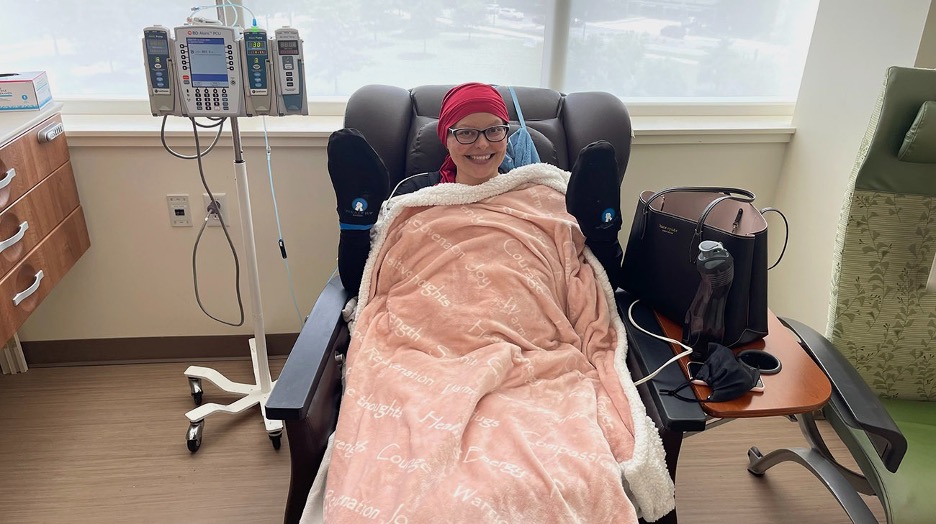
Nearly five years ago, Chase Johnson was cured of breast cancer — but not of the profound anxiety that it would return. When Johnson was originally diagnosed in 2021, the resident of Cary, North Carolina, was only 31 — nearly…

Last updated:
Key points
- Promising clinical trials from Moderna, Merck, and the Cleveland Clinic show new vaccines can train the immune system to fight skin and breast cancers.
- Health researchers warn that rising vaccine hesitancy and online misinformation threaten to blunt patient adoption of these lifesaving breakthroughs.
- Teenage completion rates for preventative cancer shots like the HPV vaccine remain stalled nationally, with wide divides between northeastern states and lower-uptake regions.
NewsWK — Scientific breakthroughs may soon bring preventative and therapeutic shots for deadly cancers directly to regional clinics. However, medical experts warn that persistent cancer vaccine hesitancy could severely limit their lifesaving potential across our communities.
Cancer care continues to advance at facilities like Southwestern Vermont Medical Center in Bennington. Yet healthcare providers face an uphill battle against rising skepticism. Misinformation threatens to slow patient adoption before these new treatments even reach local pharmacy shelves.
Why it matters
Cancer remains a leading cause of death across Bennington County and neighboring Berkshire and Rensselaer counties. When patients avoid preventative care or emerging therapies due to unverified claims, regional health outcomes worsen. As a result, local families face preventable heartaches, higher medical costs, and longer recoveries.
How will cancer vaccine hesitancy shape future treatments?
Cancer vaccine hesitancy could delay patient access, reduce clinical trial participation, and discourage people from accepting proven oncology treatments. Public health officials worry that online rumors and political disputes will lead patients to reject cutting-edge options. Consequently, avoidable cancer recurrences could rise even as powerful new medical tools become available.
Researchers are making historic strides toward training the human immune system to fight tumors. For instance, drugmakers Moderna and Merck recently completed a successful late-stage trial for a personalized skin cancer vaccine. That therapy pairs custom immunizations with standard cancer medications to keep melanoma from returning.
Meanwhile, other ongoing studies focus on aggressive breast cancers. North Carolina resident Chase Johnson joined a clinical trial at the Cleveland Clinic after facing triple-negative breast cancer. Her experimental shot triggered strong immune responses in nearly three-quarters of trial participants.
What are cancer vaccine clinical trials revealing?
Current cancer vaccine clinical trials show that personalized shots can train white blood cells to target distinct tumor proteins safely. Researchers report promising immune responses across several early phases. Still, scientists emphasize that broad participation remains vital to prove lasting success across diverse patient populations.
These clinical studies demonstrate measurable progress, yet skepticism persists nationwide. Health professionals see clear parallels between this hesitation and earlier battles over preventative medicine. Decades of debate surrounding the human papillomavirus immunization offer a clear warning for public health leaders.
Federal regulators first cleared the human papillomavirus shot for young women in 2006. They expanded that approval to young men three years later. The shot safely prevents several common malignancies, including cervical, throat, and anal cancers. Despite those benefits, national uptake has stalled for four straight years.
Recent federal data highlights sharp regional divides in teenage vaccination rates:
- Massachusetts achieved an 80% series completion rate among eligible teens.
- Rhode Island led the nation with an 85% completion rate.
- Vermont and surrounding northeastern states consistently outpace southern regions.
- Mississippi recorded the lowest uptake, with only 31% of teens vaccinated.
Why does vaccine misinformation threaten public health progress?
Pervasive vaccine misinformation undermines patient trust in federal safety standards and proven medical science. Unsubstantiated claims spread rapidly across social platforms, convincing healthy individuals to forgo protective healthcare. Because fear spreads quickly, clinicians spend valuable appointment time debunking falsehoods rather than treating critical conditions.
False narratives surged following the rollout of pandemic immunizations. For example, commentators fabricated claims that modern shots trigger aggressive tumors. Researchers at the West Virginia University Cancer Institute found that online comment sections harbor widespread conspiracy theories. Such claims frequently deter parents from protecting their children against preventable viral infections.
Federal leadership changes have amplified these concerns. Health and Human Services Secretary Robert F. Kennedy Jr. previously filed lawsuits against pharmaceutical manufacturers. He also dismissed federal vaccine advisers and altered recommended childhood schedules. In response, public health leaders created the Vaccine Integrity Project to protect public trust.
Epidemiologist Michael Osterholm leads the Center for Infectious Disease Research and Policy at the University of Minnesota. “The credibility of 80 years of public health work of vaccines in this country is threatened because of confusion,” Osterholm said.
How do mRNA cancer vaccines target malignant cells?
Modern mRNA cancer vaccines work by delivering temporary genetic blueprints that teach patient cells to spot cancer markers. White blood cells learn to attack tumors without damaging surrounding healthy tissue. Because these formulations carry no live virus, they cannot cause an active infection or change DNA.
Still, lawmakers in multiple states continue to challenge these scientific advances. During the past legislative session, lawmakers across 34 states introduced more than 200 bills designed to restrict vaccine access or roll back rules. Some state leaders even sought moratoriums on advanced therapies.
Idaho state Rep. Brooke Green, who survived breast cancer, voiced strong support for medical innovation. “As a cancer patient, these are life-saving tools that are helping us,” Green said.
Health specialists hope transparent education will counter unfounded fears. Before new cancer immunizations arrive in community clinics, oncologists urge local residents to consult trusted doctors rather than social media threads.
This article was produced with the assistance of AI and reviewed by our editorial team.
Sources
Related: Federal Vaccine Order Targets New York and Neighboring States
Related: Federal Abortion Ruling on Patient Health Sets Stage for High Court
See a typo? Report it here.