Arizona
Drug-Resistant Yeast Threat: What Local Care Facilities Should Know
Twenty-eight states this year have reported over 3,500 cases of patients sick with the drug-resistant yeast candida auris, which can cause severe illness and is often reported in healthcare facilities. As of Aug. 1, 3,544 clinical cases of candida auris,…

Last updated:
Key points
Drug-Resistant Yeast Threat: What Local Care
- Federal health data shows 28 states have reported over 3,500 clinical cases of the drug-resistant fungal infection Candida auris this year.
- The fungus primarily threatens patients in long-term care facilities and hospitals who use catheters, feeding tubes, or breathing tubes.
- Healthy individuals face minimal risk, but infection prevention and screening remain critical for local nursing homes and hospitals.
NewsWK — Health officials across the nation are tracking thousands of cases of Candida auris, an emerging drug resistant fungal infection that poses a serious threat to vulnerable patients in healthcare settings. For residents and long term care facilities in Bennington County and neighboring regions, understanding how this organism spreads is critical to protecting loved ones receiving complex medical care.
Why it matters here
While northern New England states including Vermont have recorded relatively few cases compared to national hotspots, regional healthcare networks remain on alert. Healthcare systems in Bennington, North Adams, and surrounding areas frequently transfer patients to and from larger regional medical centers in New York and Massachusetts, where drug resistant organisms can circulate.
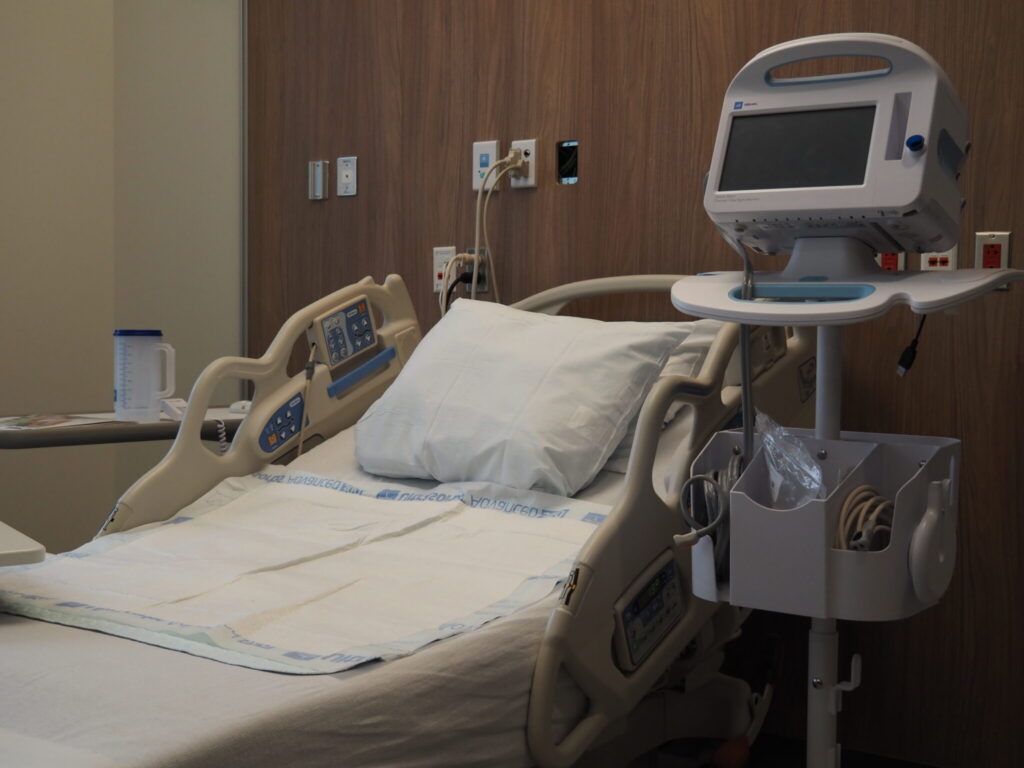
Long term care facilities, nursing homes, and rehabilitation centers across Bennington, Shaftsbury, Arlington, and Manchester serve a population that includes many older adults and patients with complex health conditions. Because Candida auris thrives in environments where individuals rely on medical devices like catheter lines or breathing tubes, maintaining rigorous hygiene protocols and screening in local care facilities is essential to keeping local populations safe.
Understanding Candida Auris and Its Risks
Candida auris, often abbreviated as C. auris, is a species of yeast first identified in Japan in 2009. Unlike common fungal infections, C. auris is particularly dangerous because it often resists standard antifungal medications, making infections difficult to treat once established.
The Centers for Disease Control and Prevention notes that healthy individuals generally do not contract C. auris. Instead, the yeast targets people with severe underlying illnesses or those who require invasive medical interventions. Common risk factors include:
- Long term use of central venous lines or urinary catheters
- Reliance on feeding tubes or mechanical ventilation
- Frequent or extended stays in acute care hospitals or skilled nursing facilities
- Recent broad spectrum antibiotic or antifungal treatments
Symptoms of a C. auris infection vary widely depending on where in the body the fungus takes hold. It can cause localized skin infections or enter the bloodstream, resulting in severe illness marked by persistent fever and chills that do not respond to typical treatments.
National Trends and Regional Numbers
Federal health tracking through the CDC National Notifiable Diseases Surveillance System reveals that 28 states have reported clinical cases of C. auris this year. As of August 1, federal authorities logged 3,544 clinical cases nationwide, alongside 3,325 screening detections.
Screening detections represent individuals who harbor the yeast on their skin or body without showing active symptoms. These colonized individuals can unknowingly spread the fungus to surrounding surfaces, medical equipment, and other patients, making screening a crucial tool for outbreak prevention.
National numbers show a slight decrease compared to the same period last year, when public health agencies recorded 4,262 clinical cases and 3,724 screening detections. However, public health experts emphasize that the threat remains high following years of steep increases between 2019 and 2024.
Geographic patterns show heavy concentrations in specific regions:
- Northeast: New Jersey has reported 55 clinical cases this year, while Pennsylvania has recorded 131 clinical cases.
- West Coast and South: California leads the nation with 887 clinical cases. Southern states reported over 1,400 combined clinical cases, led by Texas with 437, Tennessee with 293, and Georgia with 193.
- Midwest and Mountain States: Midwestern states including Illinois, Indiana, Michigan, Ohio, and Wisconsin reported 751 total clinical cases, while Arizona accounted for 171 of the 200 clinical cases recorded across the Mountain West.
Background and Infection Control Protocols
The first documented U.S. case of C. auris occurred in 2016. Between 2019 and 2021 alone, 17 states identified their first ever cases, prompting federal public health authorities to designate the fungus as an urgent health threat.
The fungus presents unique challenges for hospital environmental services because it can persist on bed rails, medical equipment, and countertops for extended periods. Standard hospital disinfectants do not always eradicate C. auris, requiring specialized cleaning products and hand hygiene adherence.
Hospitals and residential facilities in Southern Vermont and nearby border communities rely on robust infection control measures. These include isolating infected or colonized patients, using specialized personal protective equipment, and implementing enhanced daily disinfection routines.
What Local Families and Patients Need to Know
For community members with family members in nursing homes or rehabilitation facilities in Bennington County, there is no need for general alarm, but awareness is helpful. Everyday social contact with healthy individuals carries minimal risk.
If a family member is entering a long term care setting or undergoing extended hospitalization, relatives can advocate for health safety by observing routine hand hygiene, asking care teams about environmental cleaning practices, and ensuring that temporary medical lines are removed as soon as medically appropriate.
This article was produced with the assistance of AI and reviewed by our editorial team.