Albany
New York Prison ‘Contraband Watch’ Practices Draw Fire Over Conditions
State facilities detain prisoners suspected of ingesting contraband in “special watch” cells for days or weeks.

Last updated:
Key points
New York Prison ‘Contraband Watch’
New York Prison ‘Contraband Watch’
- New York state correctional facilities face criticism over ‘contraband watch‘ isolation rooms that lack running water and maintain 24-hour overhead lighting.
- Advocates and lawmakers contend the prolonged confinements violate New York’s 2022 HALT Solitary Confinement Act limits on cell isolation.
- State corrections officials defend the procedure as a critical, non-punitive security measure necessary to prevent dangerous contraband from entering facilities.
NewsWK — Controversy is mounting over the use of isolation rooms in New York state correctional facilities, where incarcerated individuals suspected of concealing contraband internally are held under continuous watch in cells lacking running water.
The practice, managed under New York Department of Corrections and Community Supervision guidelines, has drawn severe criticism from state lawmakers, civil rights advocates, and formerly incarcerated individuals who argue that the policy amounts to unconstitutional mistreatment.
Conditions Inside Special Watch Units
Under official state directives, prison staff can place an incarcerated person into a specialized isolation room if officers establish probable cause that the individual ingested or rectally concealed drugs, weapons, or other prohibited items. Known formally as contraband watch or special watch, these rooms are designed to monitor individuals until they pass any suspected foreign objects.
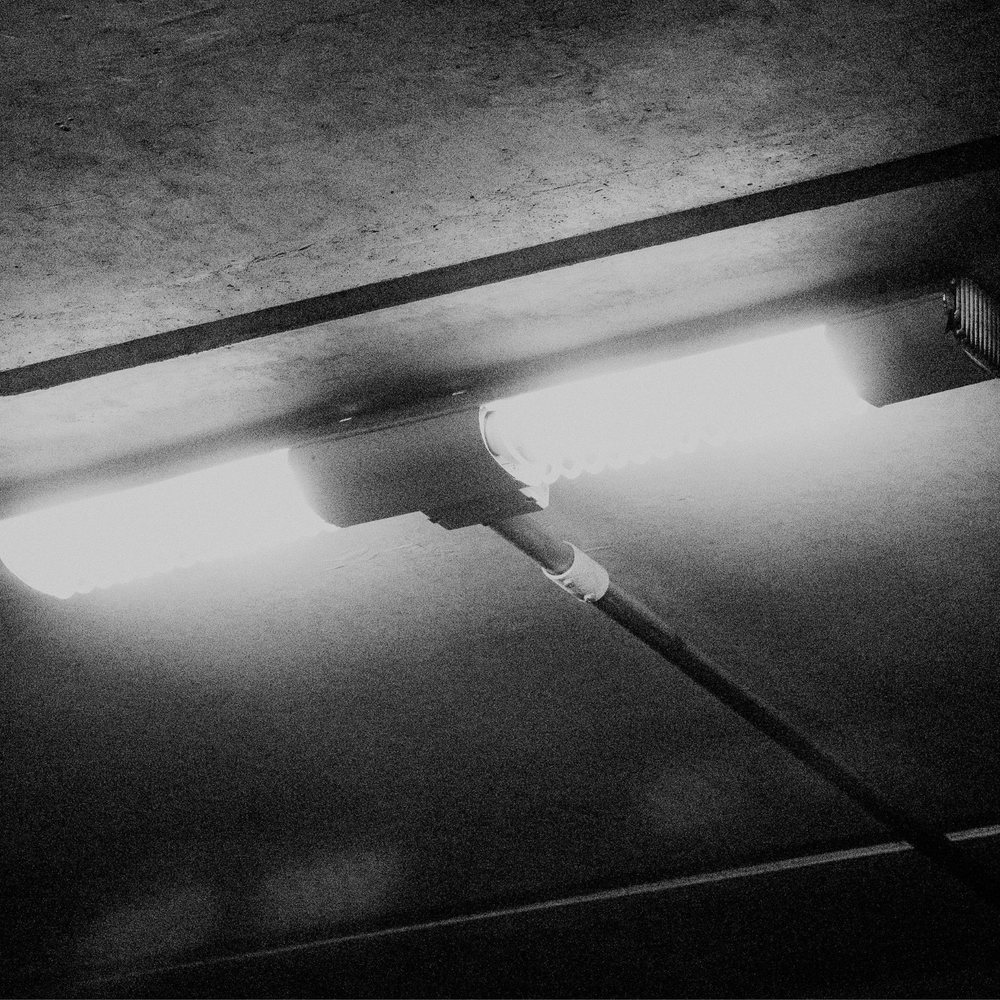
Those subjected to the protocol describe severe and unsanitary conditions. Individuals are typically stripped of standard prison uniforms, dressed in hospital gowns, and provided with a collection container rather than a functioning toilet. The rooms lack operational plumbing, leaving occupants dependent on staff for small basins of water or cups for drinking and basic hygiene. Overhead lights remain illuminated around the clock to facilitate constant observation.
Agency rules state that individuals should generally be released within 48 hours if they produce two clean bowel movements, or held up to seven days if diagnostic scans suggest the presence of an object. However, state records and court filings show that staff hold broad discretion to prolong these stays when results are deemed inconclusive.
Why it matters here
For communities across the Capital District, Washington County, Rensselaer County, and neighboring Southern Vermont and Western Massachusetts, New York state correctional policies have direct regional resonance. Many area residents have family members housed in upstate facilities or work within regional criminal justice and healthcare systems.
Regional facilities, including Albany Medical Center, regularly receive incarcerated patients from upstate prisons when internal medical issues escalate. Past legal challenges have involved facilities in northeastern New York, including the now-closed Great Meadow Correctional Facility in neighboring Washington County, where a lawsuit previously challenged the use of special watch isolation.
Legal Challenges and the HALT Solitary Act
Critics argue that the prolonged use of these watch rooms circumvents state isolation limits established under the Humane Alternatives to Long-Term Solitary Confinement Act, which took effect in 2022. The statute restricts segregated confinement to no more than 15 consecutive days, mandates at least four hours of daily out-of-cell programming, and requires prompt administrative hearings before imposing severe isolation.
Advocates maintain that contraband watch rooms routinely violate these standards because individuals are confined for more than 17 hours a day without formal disciplinary hearings or mandated out-of-cell time.
“It is part and parcel of the torture, brutality, and abuse endemic to New York’s prisons,” said Jerome Wright, co-director of the HALT Solitary Campaign.
State Senator Julia Salazar, who chairs the Senate Corrections Committee and sponsored the isolation reform legislation, has voiced strong opposition to the continuing use of the rooms.
“It’s a completely inhumane practice,” Salazar said, emphasizing that while intercepting illicit substances remains essential for safety, the current watch room procedures exceed acceptable standards of care.
Prior Lawsuits and Ongoing Debate
The practice has generated repeated legal actions across the state. In 2019, a federal lawsuit challenged a 61-day watch room confinement at Elmira Correctional Facility after staff claimed X-rays indicated a concealed weapon that was never recovered. Federal courts ultimately dismissed that case on security grounds. In 2021, however, a separate court ruled in favor of another man held in Elmira for over two months under similar circumstances, awarding him $6,390 for wrongful confinement.
Other cases have highlighted critical medical delays. In 2023, an individual transferred between Catskill-area facilities after suffering a broken jaw was kept in special watch for six days with a swallowed blade before being transported to Albany Medical Center for surgical extraction and facial reconstruction.
Department officials defend the protocol as an essential safety mechanism rather than a punitive tool. The agency maintains that special watch procedures are strictly intended to stop dangerous contraband from circulating inside prisons, protecting staff, visitors, and incarcerated populations. State officials also note that basic hygiene supplies are provided and that continuous lighting is maintained to ensure the physical safety of both staff and the individuals under observation.
Debate over the watch rooms comes as visitors and families continue to raise concerns regarding advanced imaging body scanners implemented at prison visitation checkpoints. As lawmakers review state prison oversight measures, watch room procedures remain a focal point for upcoming legislative sessions in Albany.
This article was produced with the assistance of AI and reviewed by our editorial team.