
Arlington
Federal Mail Ban Push Sparks Concerns for Local Healthcare Providers
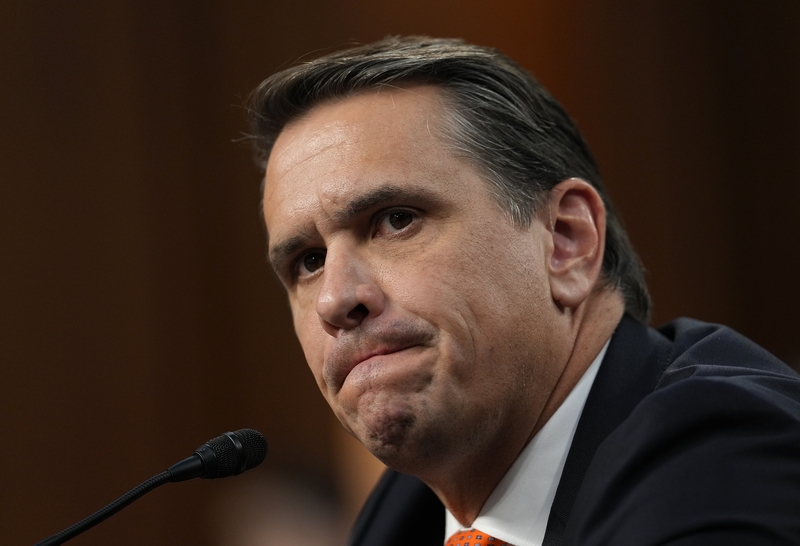
A group of leading anti-abortion organizations sent a letter to newly confirmed U.S. Attorney General Todd Blanche urging him to review the U.S. Department of Justice’s authority to use a 150-year-old anti-obscenity law to prevent people from obtaining abortion medication…

Last updated:
Key points
Federal Mail Ban Push Sparks Concerns for Local
- Conservative organizations are urging the Department of Justice to enforce the 1873 Comstock Act to restrict postal delivery of abortion medications.
- The proposed federal enforcement could impact telehealth services and prescription deliveries in Vermont despite state-level constitutional protections.
- Broader enforcement could also affect shipments of routine obstetrical equipment and medications used for miscarriage management.
NewsWK — Conservative advocacy groups are pushing the federal government to enforce a 19th-century law that could halt the postal delivery of reproductive healthcare medications and medical equipment across the country, potentially creating significant hurdles for healthcare providers and patients in Vermont.
A coalition of national anti-abortion organizations sent a formal request to U.S. Attorney General Todd Blanche on Aug. 7, asking the Department of Justice to reverse current federal legal guidance regarding the Comstock Act. Enacted in 1873, the law restricts the mailing of materials designed or intended for producing abortions.
Why it matters here
While Vermont voters fortified reproductive rights in the state constitution through Article 22 in 2022, federal postal regulations fall strictly under federal jurisdiction. A reversal in federal enforcement strategy could directly impact how regional health networks, independent clinics, and pharmacies in Bennington County receive essential clinical supplies and deliver prescribed medications to local patients.
For rural communities across Southern Vermont, telehealth services and mail-order prescriptions have become vital components of modern healthcare access. Patients in towns such as Bennington, Manchester, and Arlington frequently rely on pharmacy mail delivery to obtain prescriptions without traveling long distances to specialized medical centers.
If federal authorities restrict postal shipment of medications like mifepristone and misoprostol, local providers could face severe logistical barriers. Beyond medication abortion, misoprostol and related instruments are widely utilized in standard gynecological care, including the treatment of incomplete miscarriages and early pregnancy loss, meaning restrictions could ripple into broader maternity care at community hospitals.
Understanding the legal battle over the Comstock Act
The legal controversy centers on the Comstock Act, a 150-year-old federal statute originally designed as an anti-obscenity law. The statute prohibits using the United States Postal Service or commercial carriers to send any article, drug, or instrument intended for terminating a pregnancy.
Although the law lay dormant for decades, federal officials under the Biden administration issued an official Department of Justice legal opinion in 2022. That guidance concluded that shipping abortion-related medications does not violate the statute unless the sender explicitly intends for the recipient to use them in violation of law.
In their letter, conservative advocacy groups challenged that interpretation, arguing that subjective intent cannot be verified by postal authorities. They urged Attorney General Blanche to rescind the 2022 guidance immediately and institute strict enforcement of the statute across all 50 states.
Blanche had previously indicated during a conference call with religious leaders on July 30 that he would review the prior administration’s legal stance on the issue. Representatives from groups pushing for the change, including Advancing American Freedom and Americans United for Life, expressed optimism that federal prosecutors will adopt a stricter enforcement model.
Telehealth growth and regional impacts
The push to restrict postal delivery comes at a time when remote healthcare services have expanded rapidly across the region and the nation. Following changes to United States Food and Drug Administration guidelines in 2023, qualified medical providers were authorized to prescribe mifepristone through telehealth consultations and ship the medication directly to patients’ homes.
National healthcare tracking data highlights the significance of these delivery networks:
- Telehealth consultations accounted for approximately 27 percent of all abortions nationwide during the first half of 2025.
- More than 162,000 individuals received reproductive medication via postal delivery during that six-month window.
- Medication protocols typically involve two drugs: mifepristone, which blocks necessary pregnancy hormones, followed by misoprostol, which completes the uterine emptying process.
Healthcare advocates caution that full enforcement of the law could extend far beyond retail pharmacy deliveries. Because the statute covers medical instruments as well as pharmaceutical products, legal scholars note that medical suppliers might hesitate to ship routine obstetrical supplies to hospitals and clinics in states where abortion remains legal.
Gavin Oxley, a spokesperson for Americans United for Life, confirmed that advocates intend for the law to be applied broadly. “Any drug or instrument mailed with the intention of abortion falls under the law’s authority, proactively protecting women from new or adapted abortion methods, including misoprostol-only abortions,” Oxley said.
What lies ahead for local health policy
Legal experts expect that any move by the Department of Justice to enforce the 1873 law will trigger immediate lawsuits from state attorneys general and reproductive rights organizations nationwide. Vermont officials have consistently pledged to defend the state’s constitutional protections, but federal postal laws present complex jurisdictional questions that courts would need to resolve.
For now, standard mailing operations and clinical services in Southern Vermont remain unchanged while federal officials review the policy. Local healthcare administrators and legal analysts continue to monitor updates from Washington to assess how any shift in federal enforcement might affect daily operations in Bennington County.
This article was produced with the assistance of AI and reviewed by our editorial team.