Alabama
Mifepristone EPA Water Contaminant Concerns Reach Bennington Amid Federal Push
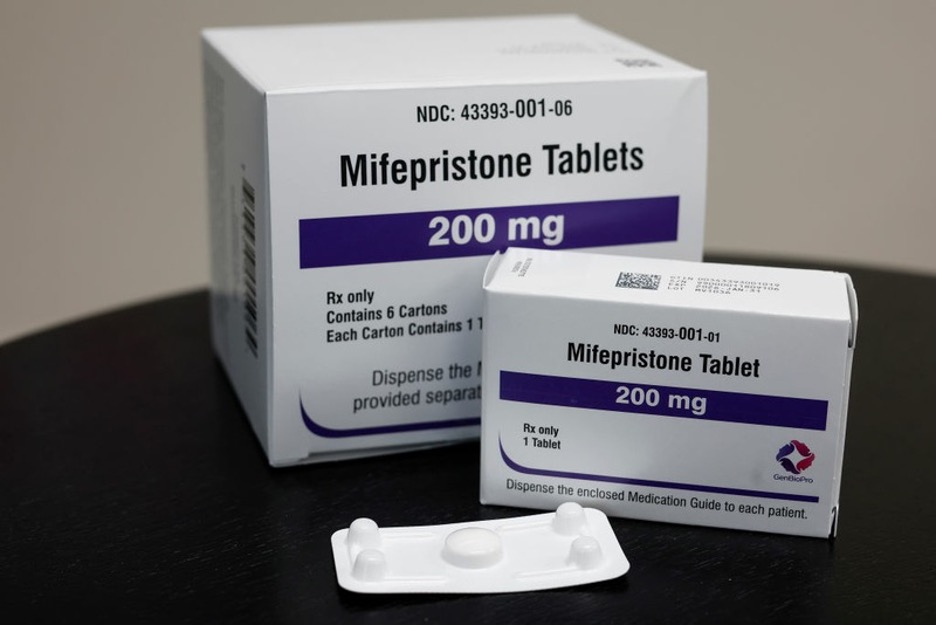
Republican attorneys general from 14 states and 19 GOP members of Congress are asking U.S. Environmental Protection Agency Administrator Lee Zeldin to classify and regulate the abortion medication mifepristone as a water contaminant. Mifepristone is prescribed as part of a…

Last updated:
Key points
- Republican attorneys general from 14 states are urging the EPA to classify mifepristone as a water contaminant.
- Local residents may see implications for water quality and public health from this classification.
- Environmental experts assert that mifepristone poses no current threat to drinking water or aquatic life.
NewsWK — Residents of Bennington, Vermont, may want to pay attention to the recent push by Republican attorneys general from 14 states urging the U.S. Environmental Protection Agency (EPA) to classify the abortion medication mifepristone as a water contaminant. This issue has significant implications for local water safety and environmental health.
In a letter addressed to EPA Administrator Lee Zeldin, these state officials claimed that mifepristone presents a “growing threat to the country’s waterways.” The attorneys general from states such as Alabama, Texas, and Florida are leading this initiative, alongside support from 19 GOP members of Congress, including Rep. Chris Smith of New Jersey.
EPA Mifepristone Water Contaminant Push and Bennington Water Quality
For residents of Bennington County, the classification of mifepristone as a contaminant could raise concerns about water quality and public health. Local environmental agencies, including the Bennington Water Department, are responsible for ensuring that drinking water remains safe and free from harmful contaminants.
Assessing Mifepristone Environmental Impact
Despite the claims made in these letters, environmental health experts assert that there is currently no evidence indicating that mifepristone in wastewater poses a threat to the environment or human health. According to the Center for Biological Diversity, medication abortion, which accounts for a significant portion of abortions in the U.S., is not affecting water systems, drinking water, or aquatic life.
Legislative Actions and Future Considerations
This latest initiative follows previous legislative efforts in several states, where lawmakers have proposed bills related to medication abortion and its environmental impact. In 2025 alone, nine bills were introduced that raised concerns about the effects of mifepristone on water quality.
As the debate continues, Bennington residents may need to stay informed about how any federal decisions or local legislation might affect their environment and healthcare options. With medication abortion making up nearly two-thirds of all clinician-provided abortions in states without bans, the stakes are high as the U.S. Supreme Court deliberates on related cases.
Local officials and residents are encouraged to engage in discussions about these issues to better understand their implications for our community.
This article was produced with the assistance of AI and reviewed by our editorial team.
Based on reporting originally published by Stateline. Read the original story.
Related: Bennington 250 Announces ‘250 for 250’ Year-End Gala to Support Anniversary Celebrations
Related: Warm, Cloudier Pattern Sets In for Bennington County Before Weekend Drizzle and Cooler Air
Related: Bennington Battle Day Marked as Historic Monument Awaits Repairs
Related: Damp Late-August Stretch Brings Rain, Drizzle, and Cooler Temperatures to Bennington County
Related: Border County Tax Pressures Mount as New York Shifts SNAP Costs
Related: Smithsonian Partners With Bennington Groups for Cultural Initiative
Related: Batten Kill River Restoration Sunderland Project Revitalizes Local Waterways
See a typo? Report it here.