Arlington
Vermont Cryptocurrency Kiosk Ban Protects Local Seniors from Scams
States and cities across the country are cracking down on cryptocurrency kiosks as financial scams involving the ATM-like machines continue to mount, costing Americans nearly $389 million last year alone. Four states — Indiana, Minnesota, Tennessee and Vermont — enacted…


Last updated:
Key points
- Vermont enacted a statewide ban on cryptocurrency kiosks in July to combat rising fraud.
- Older adults lost over $302 million nationally to crypto kiosk scams in 2025 alone.
- Nearby Massachusetts communities are also passing local bans to protect residents from digital currency scams.
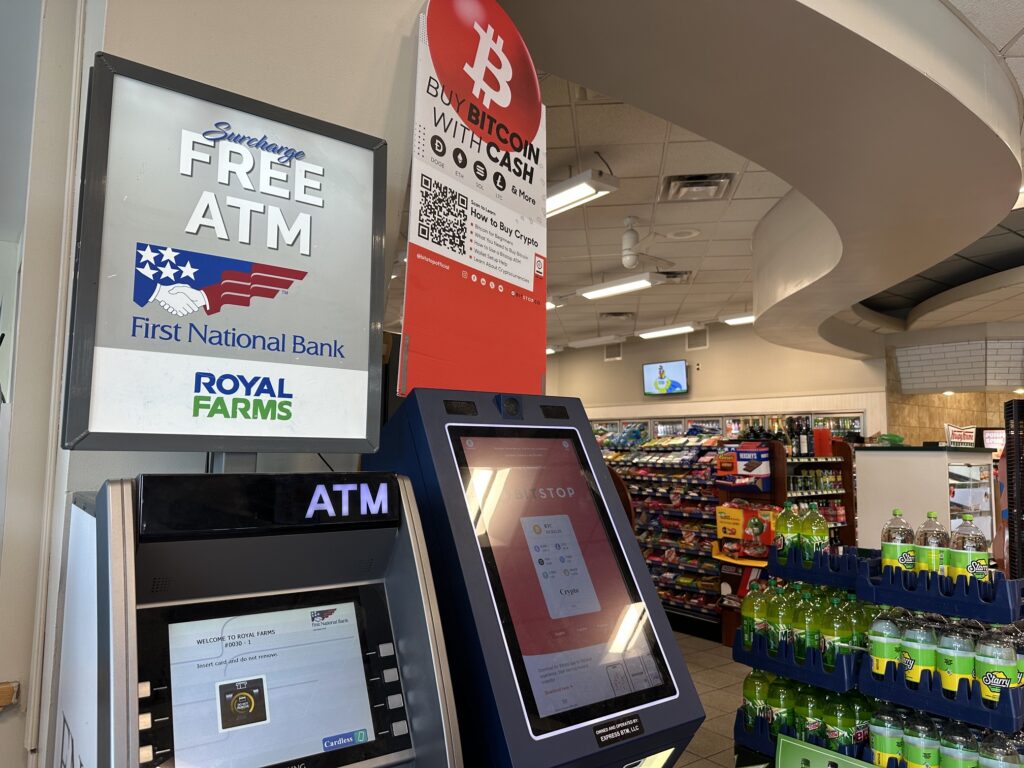
NewsWK — Vermont took a decisive step this summer to protect local residents from financial fraud. Specifically, a statewide law enacted in July pulled the plug on standalone digital currency ATMs. This ban applies across the entire Green Mountain State. As Stateline reported, this action places Vermont among a growing number of states cracking down on these risky machines. Previously, these retail kiosks often stood in gas stations and convenience stores. However, scammers frequently used them to strip life savings from unsuspecting victims.
What Does the Vermont Cryptocurrency Kiosk Ban Mean for Local Residents?
The Vermont cryptocurrency kiosk ban prohibits standalone cash-to-crypto machines across the state. Specifically, it removes them from gas stations, grocery stores, and convenience stores. Consequently, this law eliminates a primary tool scammers use to steal cash from local seniors. Therefore, fraudulent transactions cannot occur at neighborhood kiosks.
The change removes a major financial trap. In recent years, scammers directed victims to drive to nearby retail locations. Once there, victims deposited thousands of dollars in cash. Because these machines convert cash directly into digital tokens, funds vanish almost instantly. Consequently, local families lost substantial savings before law enforcement could intervene. Now, the new state ban protects retail locations from hosting these vulnerable machines.
How Are States Enforcing Crypto ATM Scam Laws?
States enforce crypto ATM scam laws through outright prohibitions, transaction restrictions, and legal actions against kiosk operators. Currently, Vermont, Indiana, Tennessee, and Minnesota have enacted total bans on these cash-converting machines. Meanwhile, other states enforce strict holding periods, identification checks, and mandatory fraud warnings to protect vulnerable consumers.
National data reveals the overwhelming scale of these financial crimes. For instance, the FBI received 13,460 complaints involving cryptocurrency kiosks in 2025. Reported losses totaled nearly $389 million across the country last year. Furthermore, financial losses jumped 58% compared to the previous year. Older adults suffered the brunt of these illegal schemes. In fact, citizens over 50 filed more than half of all reported complaints. Ultimately, they lost more than $302 million to fraudsters operating through kiosks.
Therefore, consumer advocates strongly support these legislative bans. Françoise Cleveland serves as government affairs director for AARP. Recently, she explained the urgent need for action in an interview.
“Every day that these laws aren’t passed are days where victims are having money stolen from them, and that money, because it’s through cryptocurrency and the nature of the kiosk, it’s just almost impossible to get any of that money back,” Cleveland said.
How Does the Vermont Crypto Kiosk Law Compare to Nearby States?
The Vermont crypto kiosk law aligns with aggressive measures adopted across New England and the nation. While Vermont enacted a complete statewide prohibition in July, neighboring Massachusetts has seen at least 20 municipalities enact local bans. Consequently, these rules protect nearby communities from retail financial schemes.
Why Is the Cryptocurrency Kiosk Ban Massachusetts Communities Adopted Growing?
Municipalities adopt local kiosk bans because local leaders want immediate protections against mounting financial crimes. Instead of waiting for federal action, they act locally. By prohibiting these machines, local officials block scammers from coercing residents into making unrecoverable cash deposits into fraudulent digital wallets.
Typically, these scams rely on high-pressure psychological tactics. Criminals frequently impersonate police officers, government agents, or tech support workers over the phone. Specifically, they falsely claim that victims face arrest or must protect their bank accounts. Then, the scammer guides the victim to a machine using a QR code. Once deposited, the cash converts to crypto and lands in a thief’s digital wallet. Furthermore, kiosk operators charge heavy transaction fees ranging from 20% to 30%.
Meanwhile, law enforcement officials note that kiosks affect younger residents too. Detective Matt Hogan of the Connecticut State Police investigates financial crimes. Recently, he warned that perpetrators use kiosks for sextortion schemes targeting teenagers. Additionally, federal authorities warned that criminals use kiosks to launder drug money and fund illicit operations.
Why Are Kiosk Operators Fighting Crypto Kiosk Scams Legislation?
Kiosk operators argue that blanket bans harm legitimate businesses and digital currency users rather than targeting criminals directly. Instead of prohibitions, industry representatives push for transaction limits and fraud warnings. Furthermore, they claim law enforcement should prosecute scammers rather than shutting down legal financial kiosks across state borders.
Consequently, kiosk companies have fiercely resisted state and municipal prohibitions. Larry Lipka serves as general counsel for CoinFlip, which operates over 5,000 kiosks worldwide. Earlier this year, he testified against state restrictions.
“It is inappropriate to ban a legal product because fraud is happening. Not our fault,” Lipka said.
Accordingly, some companies introduced holding periods and customer refunds to mitigate fraud. However, regulatory pressures forced major shifts in the market. For example, Bitcoin Depot filed for bankruptcy after taking its machines offline in May.
How Can Local Residents Protect Themselves from Crypto Kiosk Scams?
Local residents can protect themselves from crypto kiosk scams by recognizing common warning signs. Above all, consumers must ignore urgent demands for cash transfers. Government agencies, utility companies, and law enforcement officers will never demand immediate payment through digital currency, gift cards, or physical cash deposits at retail kiosks.
Therefore, our community members should keep several safety guidelines in mind:
- Never convert cash to digital currency because an unexpected caller demands it.
- Hang up immediately if someone claims you face arrest unless you send money.
- Contact local police or state troopers if you suspect fraud.
By staying vigilant, Southern Vermont residents can safeguard their financial security against these predatory networks.
This article was produced with the assistance of AI and reviewed by our editorial team.
Sources
Related: How Do Abortion Bans Health Insurance Costs Affect Southern Vermont and Border Communities?
Related: Federal Medicaid Funds Frozen Due to Fraud Concerns Impacting States