Alabama
Deep South Black Voter Turnout Shifts Midterm Outcomes Across Nation
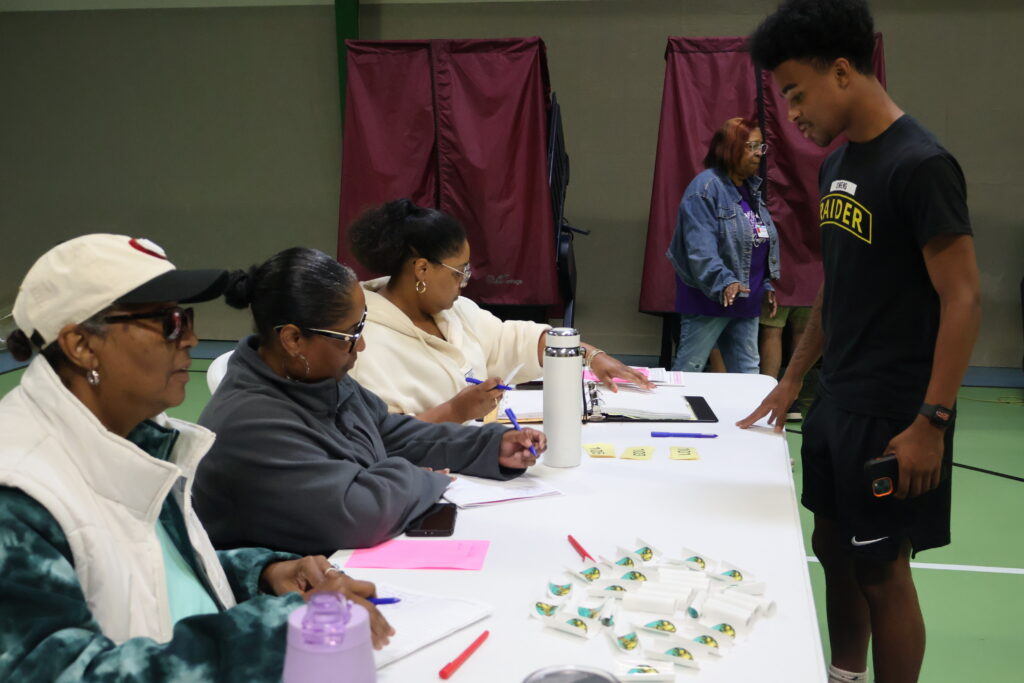
States across the Deep South, a region steeped in a legacy of racially-based voter suppression, reported high and in some cases historic Black voter turnout for the Nov. 3 election, contributing to the Democratic takeover of the next Congress. But…


Last updated:
Key points
- Advocates credit long-term ground organizing for historic Black voter turnout across Southern midterm elections.
- Key election results included Mississippi electing its first Black U.S. senator since Reconstruction and Alabama filling a newly redrawn majority-Black seat.
- Civic organizers emphasize that elevated participation reflects persistent advocacy rather than short-term national political waves.
NewsWK — As election results settle nationwide, Bennington County residents are watching national voting trends. These shifts shape the future of federal governance. Furthermore, high participation rates in recent midterm contests highlighted significant changes in voter mobilization across the country.
How do national voting trends impact our community in Bennington County?
Federal election outcomes directly influence legislative majorities in Washington. Consequently, these results affect policy decisions that touch everyday life in Southern Vermont. When national voting patterns shift, federal funding priorities often adjust accordingly. This impacts rural infrastructure, healthcare access, and community grants for residents in Bennington County and nearby towns.
National legislative majorities determine how federal resources flow into state programs. Therefore, major shifts in Congressional seats change the legislative agenda on Capitol Hill. Local leaders in Southern Vermont monitor these changes closely. After all, federal block grants support regional transportation and housing.
In addition, national voter participation trends offer valuable insights for local civic organizations. Community leaders in Bennington often study successful turnout strategies from other regions. Then, they use these lessons to enhance local voter education initiatives.
Why are Southern voter access advocates highlighting long-term organizing?
Civic organizers emphasize that recent voter participation surges resulted from years of dedicated community work. They did not stem from a sudden political wave. Instead, Southern voter access advocates built persistent local networks. These groups supported ballot access across multiple states during recent election cycles.
Community leaders across the South held press briefings to analyze the recent election results. Specifically, they stressed that voters responded to sustained civic engagement rather than short-term national campaign messaging. Also, many voters focused directly on community priorities when casting their ballots. They voted for their families, for their communities and themselves.
Charles Taylor, executive director of the Mississippi NAACP, noted that long-term organizing drove the elevated turnout figures. “If your analysis on what happened Tuesday is that this is a mandate against Trump, I think it’s a bit lazy. Dig deeper,” Taylor said. “Because this is not just about Trump. This is about years in the making.”
Organizers in North Carolina, Louisiana, South Carolina, and Alabama similarly reported strong turnout numbers. In several areas, early turnout among Black voters reached record levels. This occurred despite changes to local polling hours.
What role did Mississippi Senate race Black voters play in historic results?
Increased participation from Mississippi Senate race Black voters propelled Democrat Scott Colom to a narrow victory. He defeated Republican incumbent Cindy Hyde-Smith. This historic outcome produced the state’s first Black U.S. senator since the Reconstruction era. Ultimately, it demonstrated how shifting turnout dynamics can fundamentally alter state political landscapes.
Black voters represented 33% of total ballots cast in Mississippi during the election. This figure rose from 30% in 2024. Consequently, this turnout surge enabled Colom to secure his Senate seat despite previous presidential voting patterns in the state. Notably, the victory occurred shortly after state election officials marked over 230,000 voters as inactive. Officials took this action following address verification procedures.
Similar shifts occurred in North Carolina. Voters there flipped seven U.S. House seats to Democrats. Previously, 23 North Carolina counties eliminated Sunday early voting. Nevertheless, Black voters outpaced white voter participation during early voting 39% to 36%.
Meanwhile, South Carolina saw a 29% increase in Black voter turnout compared to 2022. That surge helped Democrat Annie Andrews win a U.S. Senate seat over Darline Graham. Furthermore, South Carolina Democrats flipped 10 state House seats. This result broke the previous Republican supermajority in that chamber.
In Louisiana, early voting among Black residents reached 33% of total turnout. That participation narrowed the U.S. Senate race between Democrat Jamie Davis and Republican Representative Julia Letlow. Meanwhile, Alabama voters elected Democrat Shomari Figures to a newly redrawn congressional seat. Voters in Alabama also flipped four state legislative seats.
What background factors shaped the voting rights fight in the Deep South?
Deep South Black voter turnout surged despite ongoing legal battles over congressional maps and Election Procedures. Federal Court decisions and grassroots legal challenges repeatedly reshaped election rules across several states. As a result, these changes created a complex regulatory environment for organizers and voters alike.
In Alabama, federal courts ordered state lawmakers to create a second majority-Black congressional district before the midterm vote. That decision followed extensive litigation under the federal Voting Rights Act. However, civil rights advocates note that legal battles over Black voting rights in the Deep South continue across the region.
Anneshia Hardy, executive director of Alabama Values, emphasized the ongoing nature of the movement for equal representation. “We weren’t fighting for permission to participate in somebody else’s democracy,” Hardy said. “We were fighting for the right to exercise collective power in a country that our ancestors helped build.”
Advocates across the South plan to maintain their voter education and mobilization efforts in future election cycles. Therefore, they continue to monitor local election policy changes and polling place consolidations. This oversight helps ensure equal access for all eligible voters.
How does national voting engagement affect civic life going forward?
Robust voter participation across the country reinforces the importance of accessible election systems and active community education. Meanwhile, federal lawmakers are preparing for the upcoming legislative session. Voters in Bennington County will soon see how changing national dynamics influence federal policy decisions.
Local election officials and civic groups in Southern Vermont continue to emphasize transparent election administration. They also support broad voter access. Finally, residents can stay informed about upcoming local town meetings and public forums by checking official municipal announcements.
This article was produced with the assistance of AI and reviewed by our editorial team.
Sources
Related: Midterm Voter Turnout Trends Show Youth Surge and GOP Abstention
Related: DOJ Election Monitors 2026: Federal Observers Deploy to All 50 States
Related: Deep South Midterm Elections Signal Shifting Political Trends
Related: Black Voter Surge Southern Senate Races Reshapes National Strategy