Arlington
The Brickyard Veteran Movement Promotes Local Service and Unity
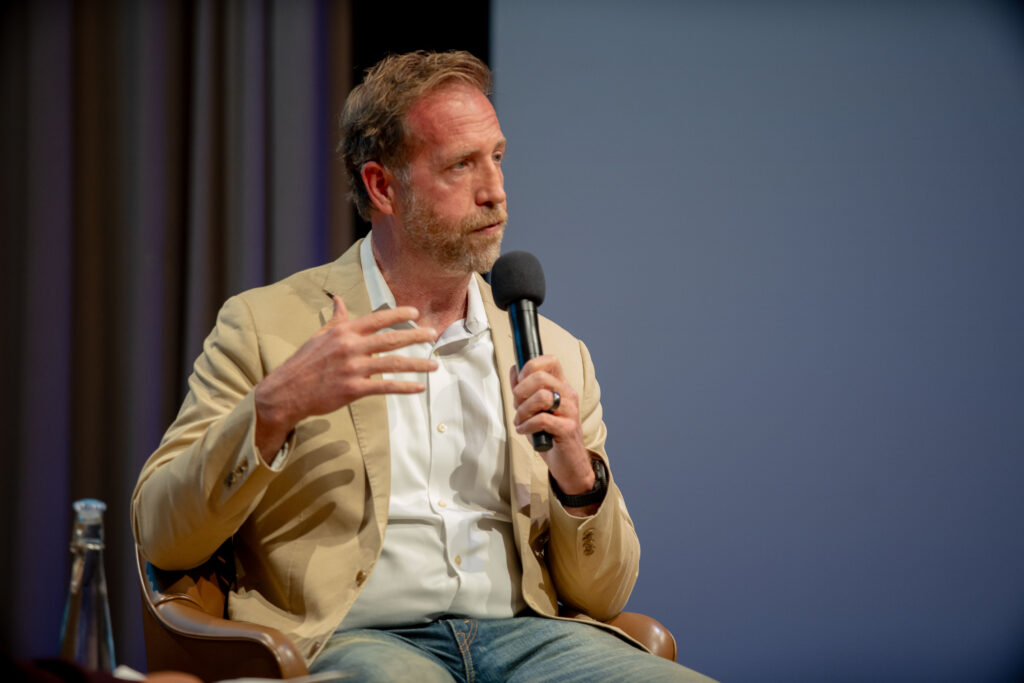
In 2015, after 15 years in combat zones as a Marine and in East Africa working to alleviate extreme poverty, Jake Harriman came home to the United States and barely recognized it. The veteran and nonprofit leader was alarmed to…


Last updated:
Key points
- Jake Harriman founded The Brickyard in 2015 to heal political divisions through veteran-led community service projects.
- The nonpartisan movement grew from 1,000 members in 2024 to nearly 40,000 nationwide by 2026 across all 50 states.
- The initiative offers local service models that help small towns strengthen civic engagement and build neighborhood trust.
NewsWK — Civic connections often start at local potlucks, municipal meetings, and community cleanups. However, growing social isolation across the nation has made local gathering spaces more important than ever. Therefore, former U.S. Marine Corps veteran Jake Harriman launched a national nonprofit organization called The Brickyard. This group addresses the issue directly. Specifically, the initiative brings people from different political backgrounds together. They connect through shared physical work and neighborhood events.
How Does The Brickyard Veteran Movement Connect Neighbors?
The Brickyard veteran movement brings neighbors together through hands-on service projects, fitness challenges, and community potlucks. First, participants work side by side on tangible local tasks. Consequently, they build personal relationships across political lines. Ultimately, this approach turns everyday civic projects into shared opportunities for mutual understanding and trust.
Jake Harriman established the organization in 2015 after returning home from combat overseas. At that time, he observed growing isolation and rising political friction within American towns. Previously, he served seven and a half years in the Marine Corps. Later, he created Nuru International, an antipoverty organization operating in East Africa. That project raised over $100 million. Moreover, it helped more than 500,000 people build self-sufficient lives.
However, Harriman recognized that American towns faced their own subtle crisis of disconnection. Therefore, he spent four months studying civic reform models before launching the organization. The resulting program relies on trusted local leaders to bring neighbors together. For example, leaders in Glen Rose, Texas, organized a community swap in 2023 called “Share the Love.” That event drew more than 200 residents to exchange clothes, toys, and household goods.
Why Is Veteran Led Community Service Growing Rapidly?
Veteran led community service offers a structured, mission-driven way for former service members to continue serving locally. In addition, military veterans bring logistical experience, leadership skills, and public trust to civic organizing efforts. Consequently, these programs quickly gain traction in small towns looking for reliable leadership and practical solutions.
The movement has expanded at a remarkable pace in recent years. For instance, membership grew from approximately 1,000 participants in 2024 to nearly 40,000 nationwide by 2026. Today, organizers maintain active networks across all 50 states. Furthermore, the initiative aims to establish active local chapters in small municipalities and rural areas nationwide.
What Does This Civic Effort Mean for Bennington County Towns?
Veteran-led organizing offers practical tools to strengthen local civic health in Southern Vermont and Neighboring Rensselaer County. Specifically, towns like Bennington, Manchester, and Arlington rely heavily on volunteer fire departments, town meetings, and food drives. Therefore, introducing structured service challenges helps these towns recruit new volunteers and keep civic institutions vibrant.
Local leaders often seek fresh strategies to engage younger residents and newcomers in community affairs. By hosting joint workdays, local groups can address municipal maintenance, trail upkeep, and park improvements. In addition, shared labor creates natural opportunities for dialogue. As a result, residents who might otherwise rarely interact can connect.
Furthermore, military veterans in Vermont and Nearby Berkshire County bring valuable leadership experience to municipal projects. Consequently, these service initiatives give veterans a renewed sense of local purpose. Simultaneously, towns benefit from organized hands-on labor. This work directly supports public spaces and essential community services.
How Can Healing Community Divisions Rebuild Civic Trust?
Healing community divisions requires consistent personal contact through action rather than theoretical debate. When neighbors collaborate on practical service projects, they focus on shared goals instead of political differences. Over time, this ongoing cooperation restores trust. Ultimately, it helps residents see one another as partners in community progress.
Harriman outlined his operational philosophy in his book, “Rescuing the Idea of America.” In it, the text presents a five-step blueprint for personal civic engagement. Specifically, these steps outline a structured path for individuals wishing to strengthen their hometowns:
- Believe: Acknowledge current difficulties while maintaining hope that positive change is possible.
- Serve: Shift focus outward by helping neighbors and supporting local community initiatives.
- Connect: Reach out to people with different life experiences through shared projects or simple meetings.
- Lead: Take personal responsibility for local solutions instead of waiting for external political fixes.
- Restore: Help neighbors gain self-sufficiency through access to education, resources, and economic opportunity.
Moreover, Harriman emphasized the power of working together on tangible tasks. “It’s really hard to hate somebody while they are swinging a hammer next to them and building something together for somebody in the community,” Harriman said.
What Framework Supports These Civic Engagement Programs?
These civic engagement programs combine organized local service with structured social events to create durable community networks. First, participants meet for physical service days, neighborhood meals, and constructive civic discussions. Consequently, this balanced framework ensures that social connections endure long after specific work projects end.
Harriman credits his childhood in Whetsell Settlement, West Virginia, for shaping his vision of strong community bonds. Growing up in a small mountain settlement taught him an important lesson. Specifically, he saw how rural families rely on mutual assistance during hard times. Therefore, he views extreme poverty and community decay as more than financial challenges. Instead, he sees them as a loss of personal agency.
Ultimately, the organization seeks to establish a neutral meeting ground in every American town. “Our long-term vision is that we want a Brickyard in every small town and city across the country,” Harriman said. “We want The Brickyard to be the new meeting place for America.”
This article was produced with the assistance of AI and reviewed by our editorial team.
Sources
Related: Exploring the Nicest Small Towns in Vermont for Bennington Residents
Related: Veteran Homelessness Hits Record Low Nationally Amid Regional Shifts