Albany
AAPI Women Reproductive Health Gaps Revealed in New Survey
A survey of Asian American, Native Hawaiian and Pacific Islander women and gender-expansive people found nearly half of respondents don’t have a reproductive healthcare provider and more than half don’t know how far they would need to travel for abortion…

Last updated:
Key points
- Nearly half of AAPI women and gender-expansive individuals lack a dedicated reproductive healthcare provider.
- More than half of survey respondents were unsure how far they would need to travel to access abortion care.
- Advocates call for increased language access and culturally responsive care to bridge systemic healthcare gaps.
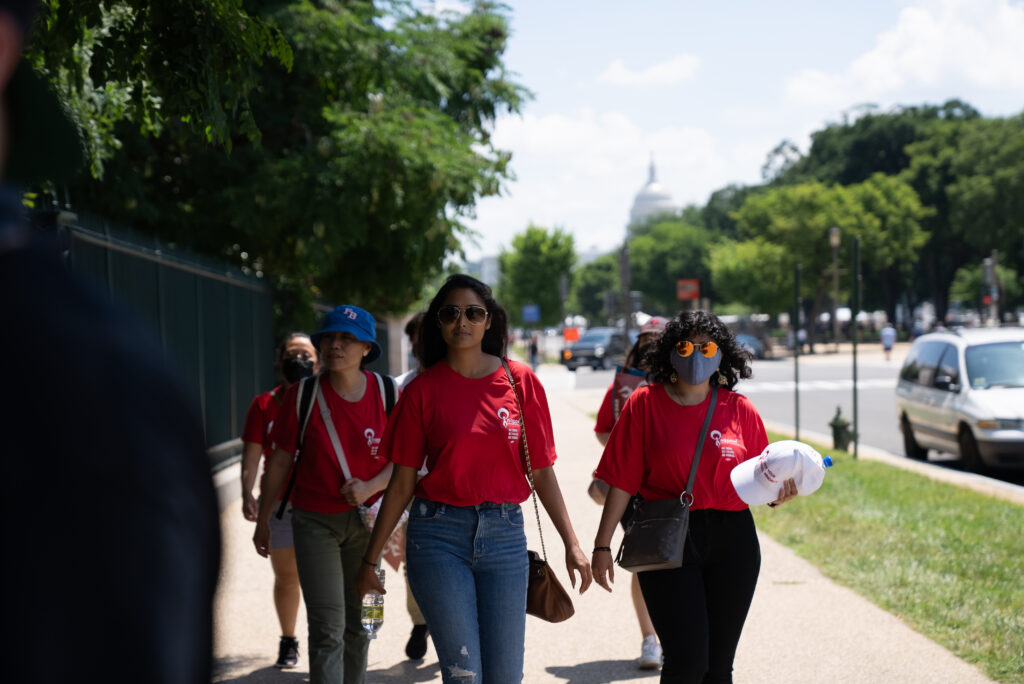
NewsWK — A nationwide study highlights significant healthcare gaps for Asian American, Native Hawaiian, and Pacific Islander women.
What Did the Reproductive Health Provider Survey Reveal About Care Gaps?
Advocacy groups conducted a comprehensive reproductive health provider survey. It found that nearly half of Asian American, Native Hawaiian, and Pacific Islander women lack a regular specialist. Furthermore, over half of respondents do not know the travel distance to obtain care. This highlights deep informational and logistical hurdles across various states.
In June, researchers surveyed women and gender-expansive individuals across more than 20 ethnic backgrounds. Survey options included English, Korean, Chinese, Vietnamese, Hindi, and Tagalog. Meanwhile, about 20% of respondents lived in the Northeast. This group included communities across New England and New York.
The findings point to broad challenges in daily life. For example, 57% of participants serve as primary caregivers for children or elderly family members. In addition, 23% reported major immigration concerns. Specifically, these fears forced them or someone they know to avoid medical care, work, or public spaces.
How Does Asian American Healthcare Access Impact Southern Vermont Residents?
Asian American healthcare access in rural Areas Like Bennington County presents unique hurdles. Specifically, residents face limited local specialty care and language services.
Long distances often separate healthcare resources. Therefore, local residents in Bennington, Shaftsbury, and Manchester frequently cross state lines. They regularly travel into New York or Massachusetts for medical services.
Furthermore, language barriers and a lack of culturally sensitive providers make finding care even harder. Experts note that local healthcare organizations must expand translation services and cultural training. As a result, they can support all residents effectively.
Key regional factors include:
- Long travel times to regional medical centers in Albany, Pittsfield, or Springfield.
- Limited availability of bilingual healthcare staff in smaller rural clinics.
- High caregiving demands on working family members balancing multi-generational homes.
Why Are Information Gaps Surrounding Care So Common?
Information gaps occur because state laws vary widely. Consequently, this creates confusion for patients trying to navigate complex medical rules. Additionally, cultural stigma inside some communities makes open discussions about reproductive health difficult. This barrier prevents people from seeking timely care or learning about local resources.
How Does AAPI Abortion Access Vary Across Regions?
AAPI abortion access depends heavily on state legislation. As a result, this creates a patchwork of availability across the United States. Most survey respondents lived in states with legal protections. Still, 56% remained unsure how far they would need to travel to reach a licensed clinic.
Meanwhile, about 20% of survey participants lived in states that heavily restrict or ban abortion access. Even in states with strong legal protections, confusion persists. For instance, 31% of respondents were unsure about the distance to general reproductive care.
Cultural factors also play a major role in these communication gaps. Roughly 60% of respondents noted that reproductive health remains a difficult topic to discuss within their communities. Furthermore, Japanese respondents and individuals with lower household incomes reported the highest rates of lacking a dedicated provider.
How Is the National Asian Pacific American Women’s Forum Addressing These Challenges?
The National Asian Pacific American Women Forum launched this multi-year research initiative. Specifically, the organization wants to collect long-term data on healthcare experiences. By sharing these findings, the group aims to inform policymakers. Ultimately, leaders can address the distinct needs of Asian American, Native Hawaiian, and Pacific Islander communities.
Fajer Saeed Ebrahim serves as vice president of policy and research at the organization. She emphasized the need for better representation in public policy. Furthermore, she explained that women in these communities face familiar challenges. Yet, their specific voices often remain absent from legislative debates.
“I think our women face many of the same challenges as many other communities of color, but our experiences are often missing from policy discussions,” Saeed Ebrahim said.
In addition, she noted that widespread confusion about medical laws isolates patients.
“People are confused,” she stated. “They often don’t know what their state has to say about abortion care, and many are surprised to learn their state is more restrictive than not.”
To address these disparities, advocate groups recommend several key steps:
- Increasing cultural competency training for rural healthcare workers.
- Expanding multi-language resources at medical centers and public health offices.
- Supporting community outreach programs that break down cultural stigma.
Looking ahead, researchers plan to track these healthcare trends over the next five years. Meanwhile, local healthcare administrators in Bennington County and surrounding areas can use these findings. As a result, they can strengthen community outreach and ensure every resident receives accessible care.
This article was produced with the assistance of AI and reviewed by our editorial team.
SourcesStateline
Related: Study: Florida Reproductive Healthcare Access Out of Reach for One-Third of Women
Related: Abortion Access in Southern Vermont: Local Perspectives and National Trends
See a typo? Report it here.