Albany
New York Governor Race: Key Issues for Border Residents
Kathy Hochul and Bruce Blakeman are locked in an expensive — and surprisingly competitive — race.

Last updated:
Key points
- Early voting for the New York governor race begins October 24 ahead of the November 3 general election.
- Incumbent Democratic Governor Kathy Hochul leads Republican challenger Bruce Blakeman in campaign fundraising and public polls.
- Voters in border communities prioritize cost of living, taxation, and economic stability as key campaign issues.
NewsWK — Early voting begins October 24 in New York State. Democratic Governor Kathy Hochul faces Republican challenger Bruce Blakeman in the high-stakes contest. Meanwhile, local Residents Across Bennington County and nearby New York border towns closely monitor the outcome. State tax policies, energy costs, and public safety rules heavily shape daily life in neighboring communities. Therefore, election officials expect turnout to surge before election day on November 3.
What is at stake in the New York governor race?
The New York governor race determines control over a $200 billion state budget and significant regional policy decisions. Incumbent Governor Kathy Hochul seeks her second full Term Against Nassau County Executive Bruce Blakeman. Consequently, the election highlights stark political differences on taxes, energy costs, and border enforcement policies.
Public polling shows Hochul leading. Still, recent margins have varied from single digits to 19 points. However, political analysts caution that voter frustration could tighten the final results. Former state party executive director Basil Smikle noted the shifting political landscape. “I expect it to be closer than some of the public polling has suggested,” Smikle stated. “But I think she wins in November,” he added.
How does Kathy Hochul vs Bruce Blakeman affect border communities?
In the race between Kathy Hochul vs Bruce Blakeman, local residents care deeply about economic stability and living costs. For example, families living in Hoosick Falls or commuting across state lines face direct impacts from Albany tax decisions. Furthermore, upstate voters consistently prioritize lower tax burdens, healthcare access, and regional jobs.
Voters prioritize immediate economic concerns over national political debates. According to recent survey data, key voter concerns include the following priority items:
- Cost of living, listed by 28 percent of respondents.
- Overall economy, listed by 21 percent of respondents.
- Immigration policy, listed by nine percent of respondents.
- Energy prices and utility costs, listed by three percent of respondents.
Because affordability drives voter decisions, candidates focus heavily on economic rhetoric. Residents in Rensselaer County and Washington County track state spending choices carefully. Also, utility costs remain a critical issue for border area homeowners during cold winter months.
What issues matter most in the NY governor election?
Economic pressures dominate voter priorities across Upstate New York in this NY governor election. New York City voters emphasize housing and immigration. In contrast, regional residents focus heavily on taxation and utility bills. Therefore, both campaigns tailor their local messages to address financial concerns.
Blakeman has proposed eliminating income taxes for individuals earning under $50,000. Under his plan, married couples earning under $100,000 would also pay no state income tax. Additionally, he advocates an across-the-board 10 percent tax cut for incomes under $250,000. Campaign estimates project this plan would cost $35 billion. However, fiscal analysts note that Blakeman has not detailed how he would fund these budget cuts. Meanwhile, Hochul highlights her legislative record. Specifically, this record includes middle-class tax reductions and funding for universal free school meals.
How are the New York governor candidates funding their campaigns?
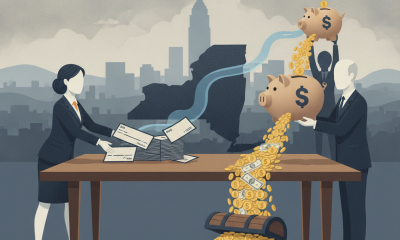
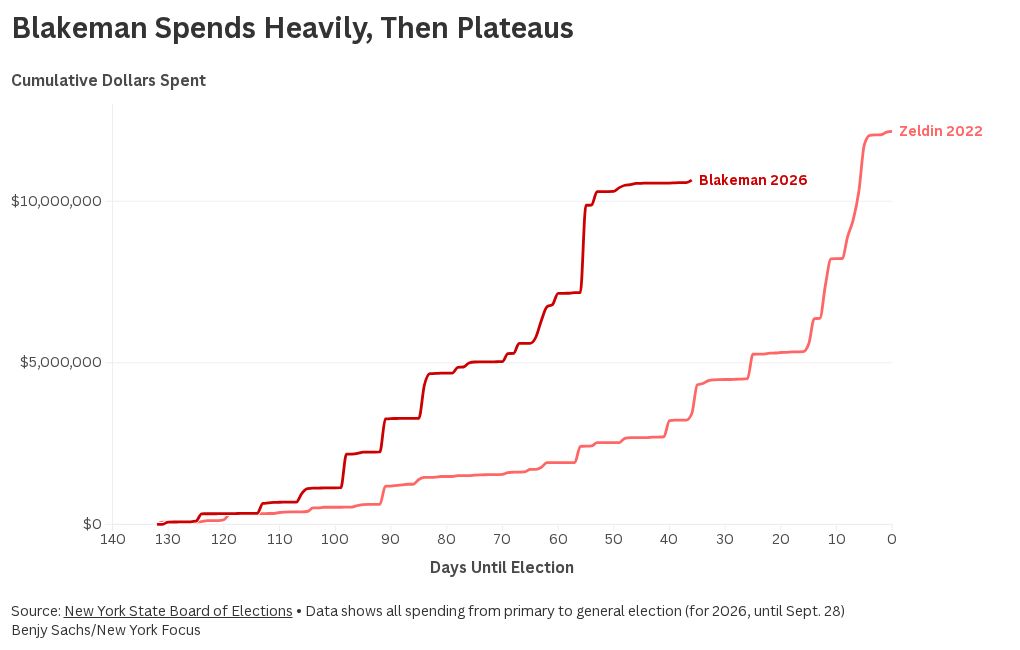
Financial reports show significant funding gaps between the New York governor candidates entering the election stretch. Governor Hochul maintains a major cash advantage through steady donor support and party committee transfers. In contrast, Blakeman spent heavily early in the race and retains limited cash on hand.
Hochul reported approximately $19 million in her campaign bank account through September. In comparison, Blakeman reported just $178,000 remaining. Important financial metrics highlight the fundraising landscape:
- Hochul banked $19 million through September.
- Blakeman retained $178,000 after significant early campaign spending.
- The state Democratic Party transferred $10 million to Hochul’s campaign.
- The Nassau County Republican Committee provided $1.3 million to Blakeman.
- Super PACs spent over $13.2 million supporting both candidates combined.
Outside groups have increased their political spending compared to four years ago. For example, major corporate donors like Uber and healthcare associations strongly support Hochul. On the other hand, pro-Blakeman groups received funding from figures like James Dolan and Stephen Wynn. Business leader Kathryn Wylde explained why many commercial interests back the incumbent governor. “Most of them feel that given the state legislature and likelihood of a supermajority there, they’re better off with a Democratic governor that is difficult to override,” Wylde noted.
What happened during the recent New York governor debate?
The October 13 New York governor debate featured sharp personal attacks and limited discussion of specific policy details. Blakeman challenged Hochul directly on utility costs and state tax burdens. Meanwhile, Hochul repeatedly tied her opponent to former President Donald Trump.
During the opening minutes of the clash, Blakeman urged voters to reconsider current state leadership. Next, Hochul highlighted Trump’s low approval rating in New York to rally Democratic voters. The candidates also clashed sharply over state immigration policies and law enforcement cooperation. Specifically, Blakeman criticized state limits on local cooperation with federal immigration authorities. Conversely, Hochul accused her challenger of supporting aggressive enforcement tactics.
What does history suggest about this election outcome?
Historical trends indicate that blue-state incumbents usually hold a clear electoral advantage in New York statewide races. However, previous election cycles demonstrate that tight margins remain possible during high-inflation economic periods. Consequently, election organizers encourage all voters to verify their local registration status before early voting begins.
In 2022, Hochul won reelection by six percentage points against Republican challenger Lee Zeldin. That victory proved narrower than many political observers expected. Therefore, party leaders in border counties remain active in voter turnout efforts. Finally, voters in neighboring Vermont and New York border towns can expect continued campaign advertisements through election day.
This article was produced with the assistance of AI and reviewed by our editorial team.
Sources
Related: Kathy Hochul Campaign Donations Shift to State Party After Refund
Related: Bruce Blakeman Campaign Finance Audits Raise Questions for Neighboring New York Voters
See a typo? Report it here.