Albany
How State Tax Ballot Measures Across the US Could Impact Our Region
This fall, voters in at least nine states will decide whether to cut, cap or raise taxes through ballot measures that will give them a direct hand in steering state tax policy in a conservative or progressive direction. Some states,…

Last updated:
Key points
- At least nine states will vote on major tax policies this fall, ranging from wealth taxes to property tax caps.
- California’s Proposition 40 proposes a historic one-time 5% wealth tax on billionaires to fund public services.
- Several states are pursuing property tax relief, though critics warn of severe impacts on local school and emergency budgets.
NewsWK — Local homeowners in the Bennington area currently grapple with rising education property taxes. At the same time, communities across the country are preparing for a major election. This fall, voters in at least nine states will directly decide the future of their tax systems. In fact, these high-stakes state tax ballot measures could dramatically shift how public services receive funding.
Why it matters
These national tax debates closely mirror local challenges for residents in Southern Vermont, Berkshire County, and neighboring New York. For example, Bennington faces tough school budget votes, while Boston and Albany debate income tax structures. As a result, these campaigns highlight how diverse communities balance vital public services against rising household costs.
What are the major millionaire tax ballot measures this year?
This year, voters in several states will decide whether to impose or repeal higher taxes on wealthy residents. Specifically, these millionaire tax ballot measures aim to generate billions of dollars for public schools and social safety nets. However, critics warn that higher rates could drive wealthy taxpayers into lower-tax states.
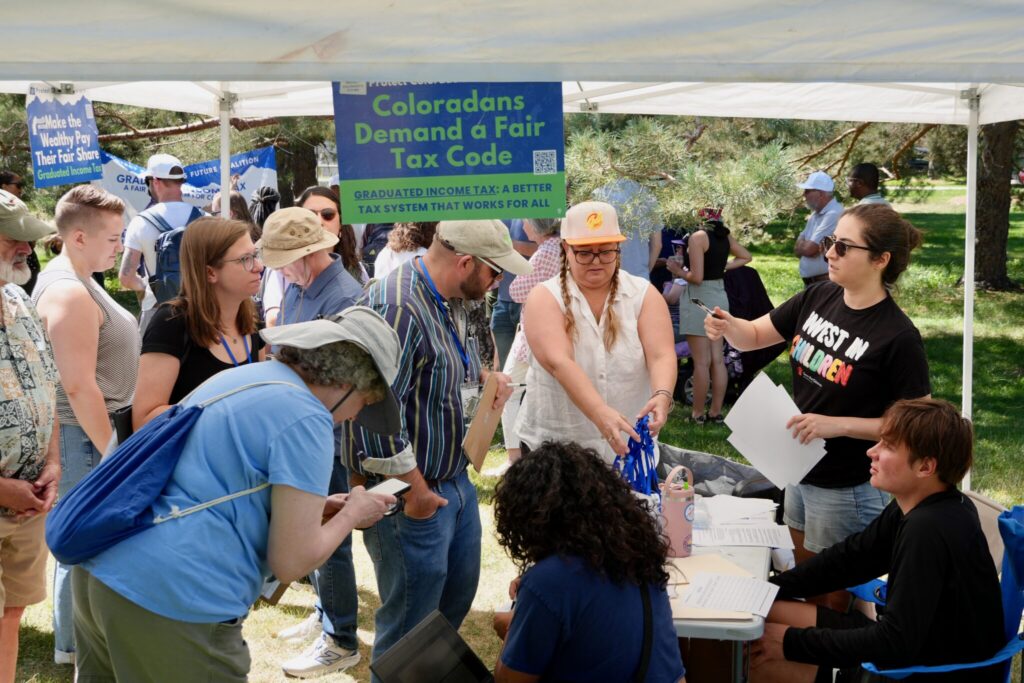
In Washington state, voters will decide whether to repeal a recently enacted 9.9 percent tax on incomes above $1 million. Meanwhile, other states are considering brand-new ways to tax high earners. For instance, Colorado voters will decide whether to replace their flat income tax with a graduated system. That proposed system would increase income tax rates on top earners across the state.
How does the California proposition 40 wealth tax work?
California’s landmark proposal creates a unique wealth tax by implementing a one-time 5% levy on billionaires. If passed, the measure would raise tens of billions of dollars for the state budget. In addition, these new funds would plug deep holes in state Medicaid, education, and food assistance programs.
However, this proposed tax has sparked intense debate among California leaders. Democratic Governor Gavin Newsom opposes the measure outright. In contrast, labor groups and some congressional Democrats strongly support the initiative. Opponents worry the steep tax will push wealthy residents out of California. Consequently, an exodus of high earners could hurt future tax revenues for years to come.
Which states are voting on ballot measures to cut taxes?
Several states are voting on measures to provide property tax relief and cap government revenue for homeowners. These tax-cutting proposals reflect widespread voter frustration with rapidly rising home assessments. However, opponents warn that such caps could force severe cuts to local emergency services and public schools.
For example, Florida voters will consider a constitutional amendment to increase the homestead exemption and reduce property taxes. Yet local government groups warn this change could cut local budgets by $12 billion annually by 2031. Meanwhile, North Carolina lawmakers passed a ballot measure to cap annual local property tax revenue increases.
Other states are also proposing significant property tax relief:
- First, Wyoming voters will decide on a program to exempt half of a primary residence’s value from property taxes.
- Next, Oklahoma voters will consider a measure to limit annual increases in property valuations.
- Finally, Massachusetts voters will decide Question 5, which could change tax revenue calculations and increase taxpayer refunds.
“Property taxes are out of control,” said North Carolina House Speaker Destin Hall. He argues that revenue caps will protect taxpayers from runaway property tax increases. Nevertheless, critics worry these strict caps will harm public schools and emergency services.
What are the broader trends in state tax initiatives 2024?
State tax initiatives 2024 highlight a growing ideological divide over government spending and voter authority. From supermajority requirements to flat-tax replacements, voters are taking direct control over fiscal policy. As a result, these measures force communities to weigh vital public services against meaningful household tax relief.
In Iowa, a proposed measure would require a two-thirds supermajority in the legislature to raise income taxes. Proponents describe this requirement as a common-sense way to control state spending. However, critics argue that the rule could force lawmakers to raise sales taxes instead. Indeed, this contentious debate over fiscal tradeoffs is unfolding across the entire nation.
“Any kind of tax elimination is going to require a lot of tradeoffs,” said Janelle Fritts, a senior policy analyst at the Tax Foundation. For instance, Missouri voters recently rejected a plan to eliminate the state income tax. They feared that eliminating the tax would cause severe cuts to public services. Therefore, as voters head to the polls this fall, they will confront those exact same choices.
This article was produced with the assistance of AI and reviewed by our editorial team.
Sources
Related: Border County Tax Pressures Mount as New York Shifts SNAP Costs
Related: How Will Criminal Justice Ballot Measures 2026 and Drug Policy Votes Impact Our Region?
See a typo? Report it here.