Arkansas
What Drove the Arkansas Voter Turnout 2026 Midterm Numbers?
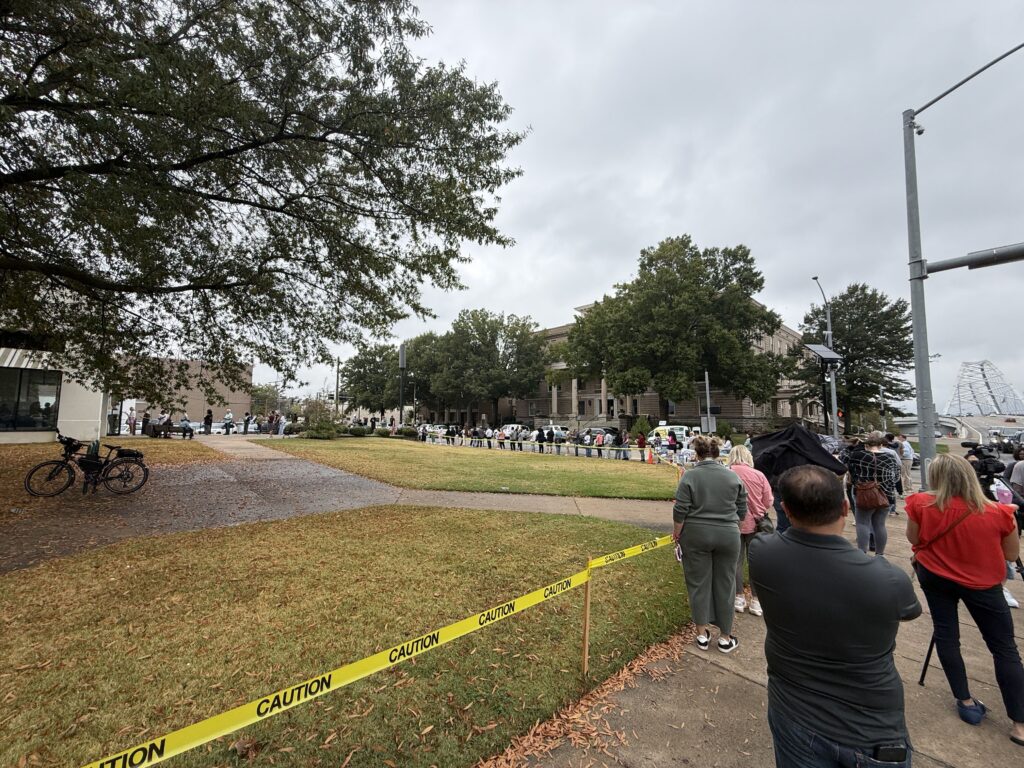
The story of the 2026 midterm elections was defined in part by increases in voter turnout, especially in the South. Voters angry at persistent affordability issues and mid-decade redistricting that broke up several majority-Black congressional districts showed up at the…


Last updated:
Key points
- Overall voter participation in Arkansas dipped during the 2026 midterm elections, contrasting with turnout spikes in other Southern states.
- Republicans maintained control of statewide offices, while Democrats added 11 seats in the state Legislature primarily around suburban Northwest Arkansas.
- Turnout drops were largest in strongly conservative rural Areas Like Searcy County, while population declines skewed turnout percentages in the Delta.
NewsWK — Voters across the country watched closely during the November 2026 elections. Ballot tallies revealed surprising voting patterns. Specifically, several Southern states recorded dramatic spikes in voter participation. However, Arkansas presented a markedly different story. Official state records show that overall turnout dipped across many rural communities during the midterm cycle.
How Did Arkansas Midterm Election Results Differ From Surrounding Southern States?
Arkansas midterm election results showed strong turnout declines in conservative strongholds. In contrast, participation surged in neighboring states. Meanwhile, Democrats gained 11 state legislative seats in rapidly growing suburbs. Still, Republicans maintained control of all statewide and federal offices. Overall voting numbers fell below the 2022 midterm levels.
In states like Mississippi, Texas, and South Carolina, voter anger drove higher poll attendance. Residents there reacted to redistricting and economic costs. However, Arkansas voters showed less enthusiasm at the voting booth in November 2026. Key election trends across the state included the following outcomes:
- Legislative gains: Democrats picked up 11 seats in the state Legislature, mostly in suburban areas.
- Rural turnouts: Searcy County experienced the largest percentage drop in voter participation statewide.
- Registration growth: Suburban counties added thousands of new voters to official voter rolls.
- Demographic shifts: Rural Delta counties saw turnout percentages rise primarily because voter rolls shrank.
Why Did Arkansas Election Turnout Drop in Conservative Strongholds?
An overall Arkansas election turnout drop hit heavily Republican counties hardest during the November 2026 general election. Three of the five counties that backed Donald Trump by the largest margins in 2024 saw significant declines. Local observers point to uncompetitive top-of-ticket races and local policy disputes as key factors.
For example, rural areas in northern Arkansas saw many voters stay home during the midterm voting period. Of course, state officials noted that midterm elections naturally draw fewer citizens than presidential election years. Still, the sharp decrease in strongly conservative counties caught the attention of local political analysts.
What Happened With Searcy County Arkansas Voter Turnout? Arkansas Voter Turnout 2026 Midterm
Searcy County Arkansas voter turnout fell dramatically from 55.5% in 2022 down to just 38.8% in 2026. That sharp decline marked the largest turnout drop among all 75 counties in the state. Furthermore, local voter turnout barely surpassed the figures from the March 2026 state primary election.
Former Republican County election commissioner Laurie Gross pointed out that top-of-ticket races failed to draw local interest. “Searcy County is kind of unusual in that we are a Red County, we’re very Republican, but our voters are more… independent-type voters than they are hardcore Republican voters,” Gross explained. Additionally, she noted that local residents remained frustrated over state legislation. Republican Governor Sarah Huckabee Sanders had signed a controversial measure. Specifically, that law restricted how local municipal governments regulate commercial cryptocurrency mining facilities.
How Did Changing Population Numbers Distort Arkansas 2026 Election Data in Rural Areas?
Analysis of Arkansas 2026 election data shows that population shifts significantly skewed local turnout percentages. In rapidly growing suburban hubs, thousands of new registered voters boosted candidate totals. Conversely, declining voter rolls in shrinking rural Delta communities made turnout percentages appear higher. This happened even as voters cast fewer total ballots.
In Northwest Arkansas, Benton County and Washington County drove Democratic legislative Gains. Longtime Benton County elections administrator Dana Caler noted steady growth in voter registration. This growth occurred particularly within suburban cities. However, Caler also mentioned that the overall midterm voter turnout percentage landed slightly below previous expectations.
Similarly, Faulkner County added 1,449 registered voters since 2022. That growth helped Democrats flip a local state House Seat. Craighead County likewise added 1,212 voters to its rolls and recorded a Democratic legislative victory.
Meanwhile, southern Arkansas counties along the Mississippi River told a very different demographic story. For instance, Desha County actually flipped Democratic in 2026 after voting for Donald Trump in 2024. Turnout there officially rose from 44% in 2022 to 49% in 2026. Yet that apparent rise occurred because total registered voters dropped from 7,100 down to roughly 6,100 people. Actual ballots cast in Desha County fell by 222 votes over that four-year span.
Former Desha County Republican Party chair Jamie Sims noted that local contests energized remaining residents. Specifically, Voters Cared About County judge and clerk races. Sims stated in an email that local races played a major role. At the same time, Population Loss Shifted County dynamics. In fact, the average resident age in Desha County rose from 38.3 years in 2010 to 41.6 years by 2024.
Similar trends surfaced in Union County. There, registration rolls dropped by over 2,500 voters, while vote totals fell by just 289. Crittenden County lost thousands of registered voters as well. Even so, residents actually cast 231 more ballots than in 2022.
Rapidly growing suburban counties continue to gain legislative influence through expanding registration numbers. Meanwhile, rural districts face changing dynamics. Aging populations and declining voter lists reshape local election math across the region.
Because voter registration drives expand suburban voter lists, political parties will likely increase resources in fast-growing communities. At the same time, community leaders in rural areas must address local voter apathy. They will need new strategies before the next major election cycle arrives.
This article was produced with the assistance of AI and reviewed by our editorial team.
Sources
Related: Midterm Voter Turnout Trends Show Youth Surge and GOP Abstention
Related: Deep South Black Voter Turnout Shifts Midterm Outcomes Across Nation