Bennington
Local Forest Workers Highlight Need for Representation in Vermont Forest Management
Managing Vermont’s state forests isn’t just about recreation — it’s about the thousands of workers who depend on them. Read the story on VTDigger here: Forest workers deserve a voice in decisions about public lands.


Last updated:
Key points
- Local forest workers seek representation in state land management decisions.
- Economic contributions from loggers and forest workers are vital to the community.
- Legal actions against forest management practices may divert funds from public land maintenance.
MONTPELIER, Vt. NewsWK — In a recent commentary, Zack Porter argues that Vermont’s Agency of Natural Resources (ANR) is undermining democratic principles concerning the management of state forests. However, this perspective overlooks significant contributions from local forest workers who depend on these lands for their livelihoods.
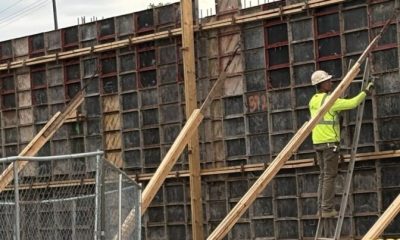
Porter seems to suggest that only recreational users—those who enjoy skiing, hiking, and other leisure activities—should have a say in land management decisions. This dismisses the vital role of approximately 800 loggers and truckers in our region, as well as countless others in the forestry and wood manufacturing sectors dependent on sustainably managed state forests.
Local Impact and the Bennington Forestry Economy
For residents of Bennington and surrounding areas, the state’s forests are not just natural resources; they are integral to the local economy. Many families rely on the forestry sector for jobs and income, making it crucial that their voices are included in discussions about the management of these lands.
Vermont Agency of Natural Resources Forest Management Decisions
Furthermore, Porter’s commentary fails to consider the financial implications of his organization, Standing Trees, which has reportedly incurred significant costs for ANR through legal actions aimed at halting forest management practices. If Vermont’s residents were given a choice, many might prefer that these funds be used to maintain and improve access to parks and recreational facilities rather than tied up in litigation.
As Joe Short of Concord, N.H., points out, the stewardship provided by the ANR is essential for maintaining the integrity of Vermont’s public lands. Their efforts reflect a balance of various conservation, economic, and social interests, which is a cornerstone of our democratic process.
What’s Next for Local Forest Management?
Understanding the diverse needs of all stakeholders—including forest workers and recreational users—will be crucial as Vermont continues to navigate the complexities of public land management. Engaging in dialogue that includes all voices will ensure that our forests remain sustainable and accessible for future generations.
This article was produced with the assistance of AI and reviewed by our editorial team.
Based on reporting originally published by VTDigger. Read the original story.
Related: Bennington 250 Announces ‘250 for 250’ Year-End Gala to Support Anniversary Celebrations
Related: Bennington Battle Day Marked as Historic Monument Awaits Repairs
Related: Warm, Cloudier Pattern Sets In for Bennington County Before Weekend Drizzle and Cooler Air
Related: Damp Late-August Stretch Brings Rain, Drizzle, and Cooler Temperatures to Bennington County
Related: Border County Tax Pressures Mount as New York Shifts SNAP Costs
Related: Smithsonian Partners With Bennington Groups for Cultural Initiative
See a typo? Report it here.