Georgia
Declining Birth Rates Vermont Faces and the Smartphone Impact
Smartphones have led to “reducing in-person interactions, increasing pornography use, and reducing sexual frequency,” say Myers and co-author Ezekiel Hooper in a recent study. Read the story on VTDigger here: Vermont Conversation: Are smartphones birth control? Economist Caitlin Myers on…

Last updated:
Key points
- Smartphones may contribute significantly to declining birth rates.
- The Dobbs decision has resulted in more births and highlighted inequality in abortion access.
- Caitlin Myers advocates for compassion and dialogue to bridge divides within the community.
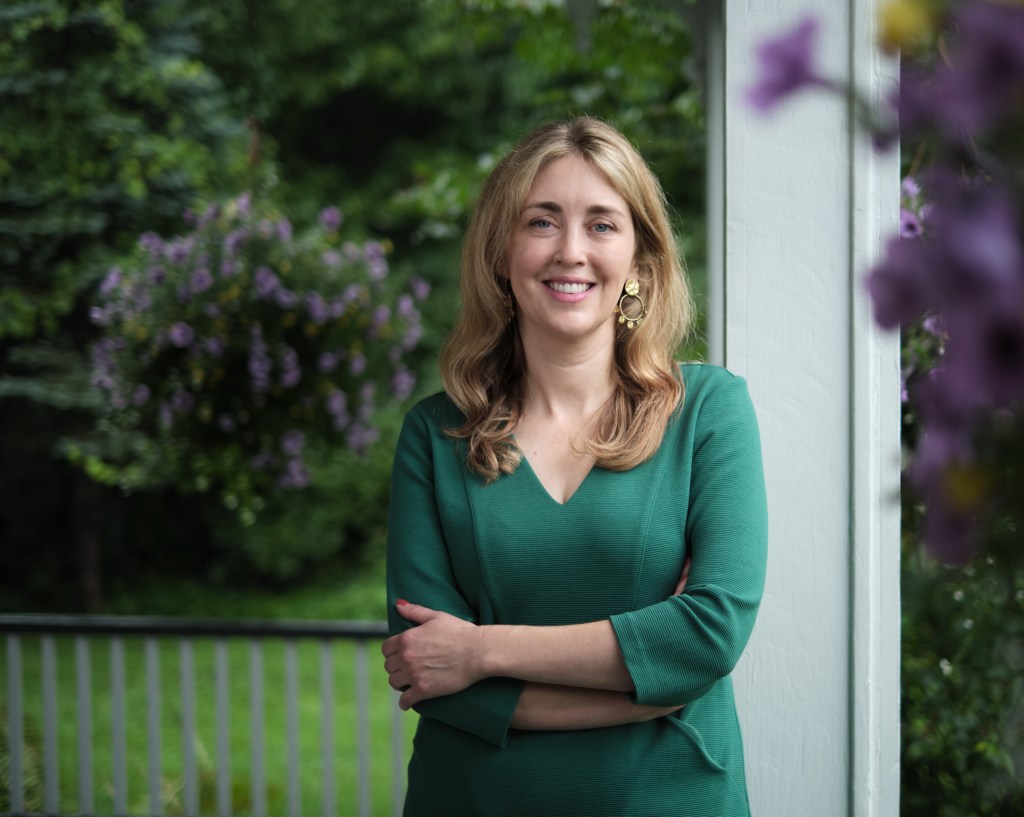
MONTPELIER, Vt. NewsWK — The conversation around declining birth rates is particularly relevant for residents of Bennington, Vermont, as new research suggests that smartphones may significantly influence this trend. Caitlin Myers, an economist from Middlebury College, recently discussed her findings in a podcast that sheds light on the implications for our community.
Smartphone Impact on Birth Rates
According to a study co-authored by Myers, the birth rate in the United States has decreased by 22% since 2007, closely aligning with the rise of smartphone use. This research indicates that nearly half of this decline could be linked to smartphones, which contribute to reduced face-to-face interactions and increased screen time. Myers pointed out, “Everybody’s just doom scrolling on their phone alone and isolated and not forming relationships,” highlighting concerns about social isolation and its potential long-term effects.
Impacts of the Dobbs Decision
Abortion Access Vermont and Regional Disparities
Myers also examined the economic implications of the 2022 Dobbs decision, which ended the constitutional right to abortion. She noted that this ruling has resulted in around 30,000 additional births nationwide, particularly among younger individuals facing financial challenges. “The post-Dobbs era is an inequality story,” she asserted, emphasizing the disparities in access to abortion services. While some areas, including parts of Vermont, have expanded access through telehealth, residents in states with strict bans may struggle to secure necessary care.
Bridging Divides
With her background in rural West Virginia and Georgia, Myers expressed her commitment to fostering understanding among differing viewpoints. She called for increased compassion and dialogue to address the divides present even within Vermont. As Bennington residents engage with these complex issues, Myers encourages the community to find common ground and support one another through these challenges.
What’s Next?
As discussions about birth rates and abortion access evolve, it is crucial for local residents to remain informed and actively participate in these important conversations.
This article was produced with the assistance of AI and reviewed by our editorial team.
Based on reporting originally published by VTDigger. Read the original story.
Related: Bennington Battle Day Marked as Historic Monument Awaits Repairs
Related: Bennington 250 Announces ‘250 for 250’ Year-End Gala to Support Anniversary Celebrations
Related: Warm, Cloudier Pattern Sets In for Bennington County Before Weekend Drizzle and Cooler Air
Related: Damp Late-August Stretch Brings Rain, Drizzle, and Cooler Temperatures to Bennington County
Related: Smithsonian Partners With Bennington Groups for Cultural Initiative
Related: Border County Tax Pressures Mount as New York Shifts SNAP Costs
See a typo? Report it here.