Arizona
Idaho Abortion Ballot Lawsuit Heads to State Supreme Court Over Summary Wording
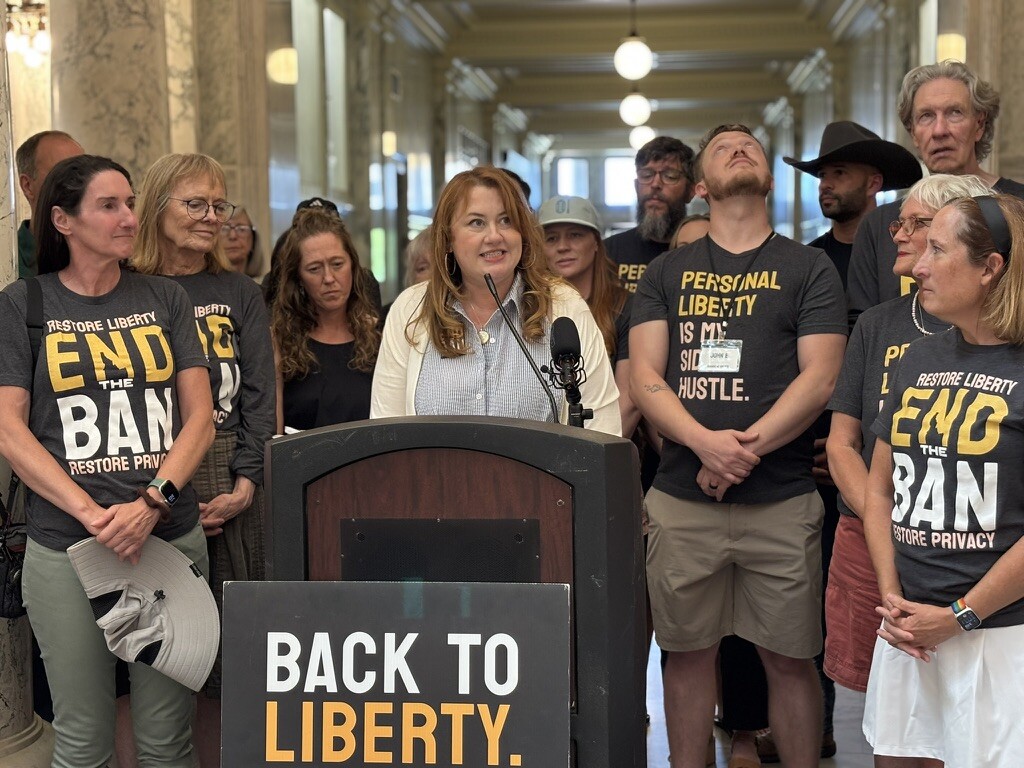
BOISE, Idaho — The group leading the effort to restore abortion access by ballot initiative in Idaho has filed a lawsuit against state officials over proposed language that will appear on the ballot and in a state-issued voter pamphlet. Idahoans…

About Idaho abortion ballot lawsuit
Last updated:
Key points
- Advocacy group Idahoans United for Women and Families sued Idaho officials over proposed ballot language for Proposition 1, an initiative to restore abortion access.
- The lawsuit argues the drafted ‘yes’ and ‘no’ statements are misleading and omit the criminal penalties healthcare workers face under current state law.
- The litigation has temporarily paused printing on 850,000 state voter pamphlets as officials face a September 25 printing deadline.
BOISE, Idaho NewsWK — A high-stakes legal battle over the exact wording on voter ballots is heading before the Idaho Supreme Court, as reproductive rights advocates challenge state officials over how an upcoming abortion measure is described to the public.
The lawsuit, brought by the advocacy organization Idahoans United for Women and Families, argues that state officials drafted misleading and confusing summary statements for Proposition 1. The citizen initiative seeks to restore legal abortion access in Idaho. The dispute has put a temporary hold on the production of roughly 850,000 statewide voter pamphlets just weeks ahead of critical election deadlines.
Why it matters here
While this legal dispute is unfolding in the Pacific Northwest, the fight over ballot wording reflects a broader national struggle regarding how direct democracy and reproductive healthcare questions are presented to voters. In our region, Vermonters settled reproductive rights in the state constitution via Article 22 in 2022, and neighboring New York and Massachusetts maintain strong statutory and constitutional protections. However, shifts in state-level healthcare laws across the country continue to influence federal policy, legal precedents, and the interstate movement of medical professionals and patients.
For residents across Bennington County and nearby communities in eastern New York and western Massachusetts, ballot battles in states like Idaho show how the language used on municipal and state ballots can shape voter understanding on complex legal questions. Ensuring neutrality and clarity in ballot summaries remains a cornerstone of voter trust everywhere.
The core dispute over Idaho Supreme Court abortion ballot language
Under Idaho law, ballots must include concise statements explaining the consequence of both a affirmative and negative vote. State officials, led by Secretary of State Phil McGrane and Attorney General Raúl Labrador, drafted descriptions for both sides.
According to the state’s draft language, a vote against the measure would leave current law unchanged, noting exceptions for reported rape, incest, or saving the life of the pregnant woman. A vote in favor was described as creating reproductive rights, protecting abortion access before fetal viability and during medical emergencies, while shielding healthcare providers from liability.
Advocates leading the ballot push claim those descriptions fail the standard of being clear and concise. They argue the summary for opposing the measure conceals the severe criminal penalties, including felony charges, faced by healthcare providers under Idaho’s existing abortion ban. They also argue that the affirmative statement introduces conflicting terms regarding fetal viability. The group wants the court to simplify the language so that it plainly states whether the proposition will become law or if existing statutes will remain unaltered.
Lead organizer Melanie Folwell criticized the drafted wording, noting the departure from past administrative norms. “In the two decades we’ve had a yes/no statement on the ballot, they’ve never looked like this,” Folwell said in a statement regarding the dispute.
Tight election deadlines loom
Idaho voter pamphlet abortion dispute halts distribution
The state faces pressing procedural timelines to resolve the language before ballots go to print. Key dates and figures involved in the timeline include:
- 850,000: Number of state voter information pamphlets paused during the court review.
- Mid-September: Deadline for mailing ballots to overseas and military service members.
- Sept. 11: Date by which the advocacy group has asked the court to issue a ruling.
- Sept. 25: Mandatory state deadline for printing all voter informational pamphlets.
State officials defend the drafting process as an attempt to capture competing perspectives on a complex issue. “I think one of the biggest challenges that we’re going to see with Proposition 1 is that it’s a very complicated issue with a lot of nuance … and this isn’t a simple issue to consolidate down into a short, one-sentence statement,” McGrane said.
Background and national context
This is not the first time the Idaho Supreme Court has stepped into disputes over Proposition 1. In April 2025, the state’s highest court ruled unanimously in favor of Idahoans United for Women and Families, ordering revisions to the measure’s short title and fiscal impact assessment.
Similar battles over initiative phrasing have emerged in multiple states over the past few election cycles. Voters in Ohio, Arizona, and Montana approved constitutional protections for abortion access between 2023 and 2024 following extensive legal fighting over ballot titles. In Missouri, advocacy groups and lawmakers have spent years litigating ballot phrasing on citizen initiatives and legislative amendments.
With ballots scheduled for distribution to military and overseas voters in mid-September, the Idaho Supreme Court is expected to weigh in quickly to ensure local election clerks can finalize their materials on schedule.
This article was produced with the assistance of AI and reviewed by our editorial team.
Sources
Related: Federal Abortion Ruling on Patient Health Sets Stage for High Court
Related: Juvenile Life Sentences Face Renewed Scrutiny After High Court Ruling
Related: Supreme Court Clears Mail Ballot Order as VT, NY, and MA Fight Rules
Related: National Groups Build Statehouse Coalitions Across the Northeast
Related: Federal Judge Reinstates Freeze on Mail In Ballot Rules
Related: Border County Tax Pressures Mount as New York Shifts SNAP Costs
Related: Bennington Battle Day Marked as Historic Monument Awaits Repairs
Related: States split on juvenile justice reform as policies diverge nationwide
Related: ICE at Polling Places Lawsuit Challenges Federal Election Policy
See a typo? Report it here.