Bennington
How Proposed Federal Homelessness Grants Rules Could Impact Vermont
In its latest effort to overhaul federal homelessness funding, the Trump administration is proposing to provide more money to localities that prioritize treatment-first policies such as sober living, more cooperation with law enforcement and more temporary and transitional housing. It’s…

Last updated:
Key points
- HUD proposed restructuring federal homelessness grants to prioritize sober living, transitional housing, and law enforcement partnerships.
- The policy marks a major retreat from the decade-old Housing First model that offers permanent shelter without mandatory treatment conditions.
- Vermont joined 21 other states and advocacy groups in previous successful lawsuits that temporarily halted similar federal funding overhauls.
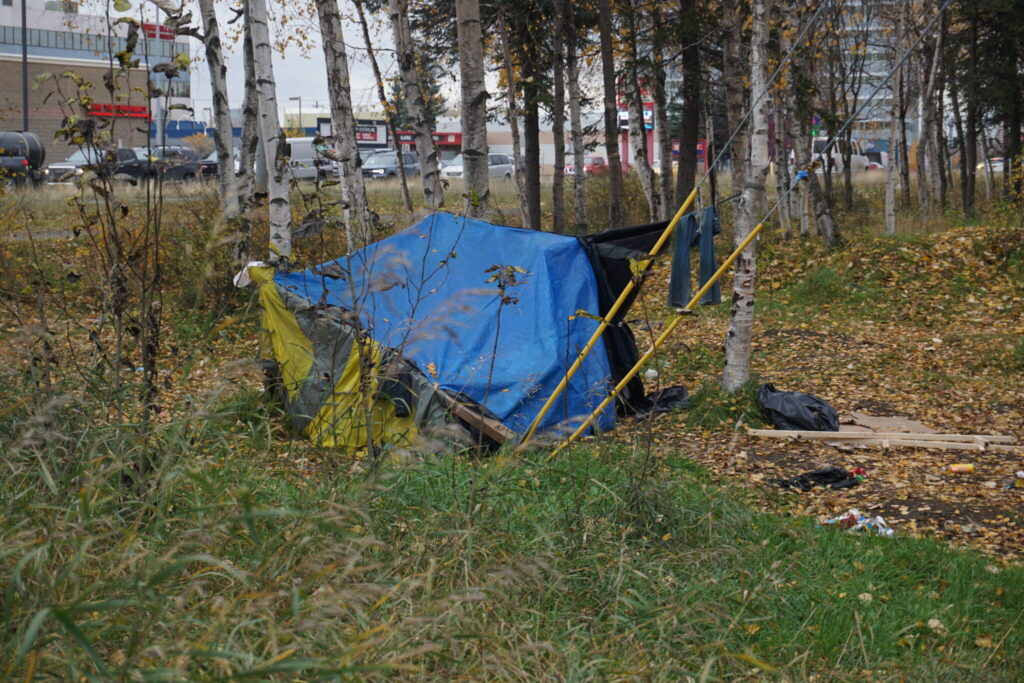
NewsWK — Federal officials want to change how communities receive federal homelessness grants. This proposed policy shift could soon alter housing assistance across the country. Consequently, programs in Bennington County and throughout Vermont may face major adjustments.
The U.S. Department of Housing and Urban Development recently published a proposal to reshape its scoring system. The agency plans to favor treatment-first programs over the Housing First model. In addition, officials want to direct more money toward transitional shelters, sober living facilities, and law enforcement partnerships.
Why it matters
These proposed rules matter locally because community programs across Bennington County rely heavily on federal resources. Specifically, these dollars help shelter vulnerable neighbors. If federal guidelines shift away from low-barrier housing, local providers may face heavy pressure. As a result, they might risk losing critical funding that keeps families off the streets.
Southern Vermont already grapples with tight rental vacancy rates and high demand for shelter beds. Meanwhile, service providers work closely with people dealing with substance use and behavioral health conditions. A shift toward strict sobriety rules could leave fewer options for unhoused residents in downtown corridors and rural outskirts.
What is changing under the new HUD homelessness policy?
Under the new policy, the federal government plans to reward programs that require treatment before offering permanent housing. This change departs sharply from the decade-old Housing First strategy. In addition, HUD will prioritize transitional shelters, sober homes, and police partnerships when allocating federal grant funds across the country.
Federal officials published the proposal in the Federal Register on Sept. 11. The department stated that current housing policies have not solved the crisis. In fact, agency leaders argue that chronic homelessness has grown nationwide over the past decade.
To address this issue, the administration wants to reward local programs that focus on specific criteria:
- Transitional housing that concentrates on employment income and behavioral healthcare
- Addiction treatment and structured recovery support
- Sober-living housing environments
- Collaborative efforts with local law enforcement agencies
Furthermore, federal officials pointed to cities like Anchorage, Houston, Portland, and San Francisco as examples of places adopting similar restrictions. Many municipal leaders have enacted public camping bans following the 2024 U.S. Supreme Court ruling in City of Grants Pass v. Johnson. Since that court decision, more than 350 cities and 14 states have passed measures to limit street camping.
How do Continuum of Care grants fit into the plan?
The proposed revisions specifically alter bonus scoring within Continuum of Care grants. These grants distribute billions of dollars annually to local organizations. Under the plan, HUD would award higher scores to applicants that mandate treatment and collaborate with police. Consequently, groups maintaining unconditional housing models could receive lower competitive scores.
Because of this system, local coalitions might struggle to win federal bonus dollars without adopting favored practices. Therefore, communities that choose not to add treatment mandates may see their grant funding shrink over time.
Why are states challenging Housing First changes?
States and advocacy groups are challenging the changes because research shows Housing First programs successfully reduce homelessness without prerequisites. In fact, opponents argue that requiring treatment before housing pushes vulnerable individuals away from support. Moreover, previous administrative attempts to change these rules were blocked by federal courts for procedural violations.
Housing advocates point to extensive research backing unconditional housing models. For example, the National Low Income Housing Coalition highlighted a 2020 review of 26 studies. That research found Housing First initiatives decreased homelessness by 88%. Additionally, the model improved overall housing stability by 41% when compared to treatment-first mandates.
Furthermore, federal courts previously blocked two administrative attempts to alter these grant rules over procedural violations. A coalition of 22 states and the District of Columbia joined lawsuits to stop those earlier rollbacks.
State attorneys general from Vermont, New York, and Massachusetts joined that legal coalition. Nearby states like Connecticut, Rhode Island, and Pennsylvania also signed on. In addition, organizations like the National Alliance to End Homelessness helped lead the legal challenge.
What does this mean for Vermont homelessness funding?
The shift could disrupt existing Vermont homelessness funding networks and destabilize local shelters. Currently, many providers in Bennington, Manchester, and neighboring towns rely on low-barrier models to keep residents safe. These programs protect vulnerable people during harsh winter months. Therefore, imposing mandatory treatment rules could force local organizations to revise operations or risk critical federal assistance.
If federal priorities change permanently, local service providers might have to reevaluate program guidelines. However, adopting strict sobriety rules can sometimes exclude individuals who need help the most. Meanwhile, local advocates continue to follow the federal docket closely as state officials evaluate potential legal responses.
What are the next steps for the proposal?
The public comment period for the proposed rule remains open through Oct. 13. Anyone interested in federal homelessness policy can submit formal feedback before officials draft a final regulation. Meanwhile, legal observers expect fresh court challenges from states and advocacy groups if the federal agency adopts the policy without addressing prior legal defects.
Our newsroom will continue tracking how these federal funding rules develop. In particular, we will monitor what they mean for Bennington County shelters, service providers, and residents.
This article was produced with the assistance of AI and reviewed by our editorial team.
Sources
Related: Border County Tax Pressures Mount as New York Shifts SNAP Costs
Related: Damp Late-August Stretch Brings Rain, Drizzle, and Cooler Temperatures to Bennington County
See a typo? Report it here.