Bennington
Immigrant Children Missing Healthcare as Care Avoidance Grows
Four in 10 pediatricians reported kids in immigrant families are avoiding coming in for healthcare out of concerns around immigration status, according to a new survey published Tuesday. More than 1,600 pediatricians responded between April and June to the survey…

Last updated:
Key points
- A survey by the American Academy of Pediatrics found that 40 percent of pediatricians report immigrant families avoiding medical care for their children.
- Nearly a third of surveyed physicians reported families avoiding safety net programs such as Medicaid, CHIP, and food assistance due to status fears.
- Doctors report seeing more advanced illnesses, forgone surgeries, and missed preventive care as federal enforcement policies expand.
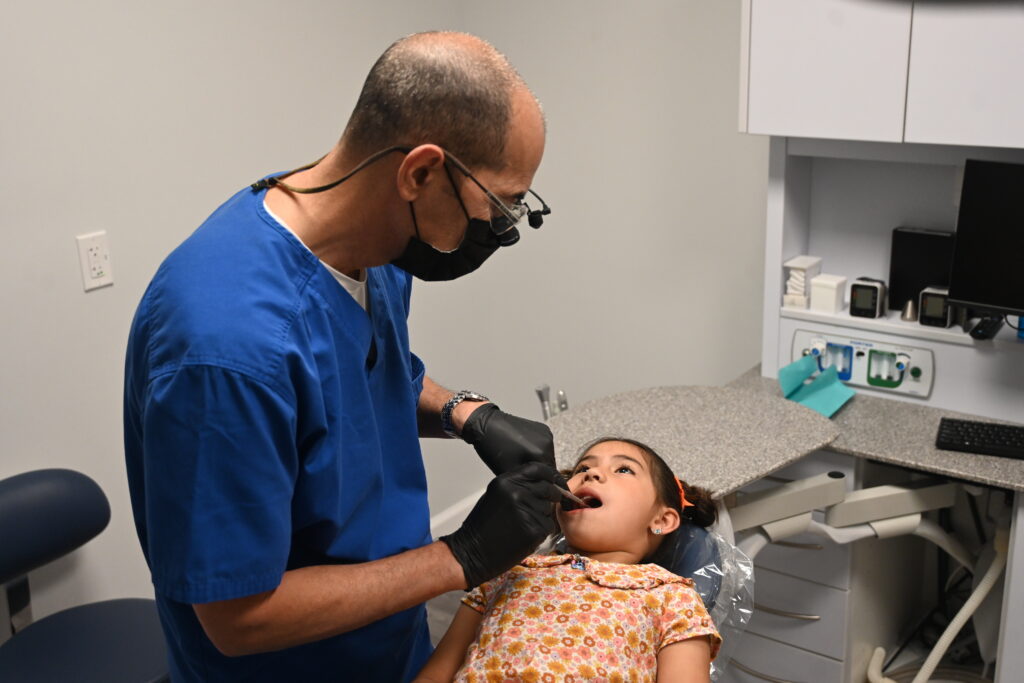
NewsWK — Local healthcare providers rely on regular wellness visits to keep young patients healthy across Bennington County and neighboring regions. However, a nationwide trend shows that many households are now skipping routine clinic visits. Doctors report that immigrant children missing healthcare has become an urgent concern across the country.
Why it matters
Routine medical care protects children from severe illness, developmental delays, and preventable infections. When families avoid local clinics in Southern Vermont, eastern New York, and western Massachusetts, community wellness suffers. Missed checkups also burden regional emergency rooms with advanced illnesses. Clinicians could have treated these conditions earlier at lower cost.
What did the American Academy of Pediatrics survey reveal?
A recent American Academy of Pediatrics survey found alarming results. In fact, 40 percent of pediatricians witnessed families skipping medical care due to immigration fears. More than 1,600 doctors participated in the national study between April and June. In addition, researchers noted that one in four young patients lives in an immigrant household nationwide.
Also, researchers stated that these figures likely undercount the true scope of children of immigrants avoiding healthcare. Pediatricians reported that families are stepping back from more than just doctor visits. Specifically, 31 percent of surveyed doctors saw families avoid applying for vital public safety net programs.
For example, households hesitated to enroll in Medicaid, food stamps, and the Children’s Health Insurance Program. Furthermore, just over 20 percent of pediatricians said parents kept their children home from school. These parents acted because of legal status concerns.
Meanwhile, specialists observed even sharper drops in patient visits. Nearly 45 percent of pediatric subspecialists saw families retreat from seeking medical care. In urban areas, 48 percent of pediatricians reported care avoidance. By contrast, only 32 percent of rural doctors saw this trend.
Why are families retreating from local health clinics?
Families increasingly worry that visiting medical centers could lead to immigration enforcement. They also fear that visits could harm their residency status. In early 2025, federal officials rescinded restrictions protecting sensitive locations like clinics, hospitals, and schools from immigration arrests. Consequently, parents fear that ordinary medical visits could expose family members to detention.
Because of these anxieties, clinicians now report seeing children arrive with more advanced illnesses. Minor ailments can quickly turn severe when parents delay routine visits. In addition, doctors note skipped vaccinations and postponed pediatric surgeries.
Clearly, immigration fears hinder pediatric care delivery in both large cities and rural valleys. Families feel the pressure of changing federal enforcement practices across the region. Therefore, smaller communities like Bennington, Pownal, and Hoosick Falls face these same challenges.
How does the public charge rule healthcare impact families?
The public charge rule allows immigration officers to evaluate public assistance during green card and visa reviews. Specifically, officers can consider enrollment in Medicaid, housing assistance, and food aid as negative factors. Therefore, many immigrant parents decline essential benefits out of fear for their legal future. As a result, many children miss critical healthcare and nutrition.
Medical professionals strongly oppose these benefit restrictions. They argue that punitive guidelines intimidate working parents. Furthermore, these rules leave children without basic nutrition and preventive medicine.
“Pediatricians have long spoken out against changes to the public charge policy because we know that it leaves families fearful of accessing programs and services that are critical for their health and well-being,” said Dr. Sural Shah, chair of the academy’s Council on Immigrant Child and Family Health.
What should area families and providers keep in mind?
Healthcare professionals emphasize that all children need accessible medical care regardless of household legal status. Local health centers, community clinics, and public schools continue to welcome every child in our region. In addition, pediatricians urge families to consult trusted community advocates before canceling essential health coverage. They also advise against skipping necessary medical appointments.
The national pediatrician survey highlights several critical findings:
- Forty percent of pediatricians reported families avoiding medical care for their children.
- Thirty-one percent saw families bypass enrollment in Medicaid, CHIP, or food assistance.
- Thirty-two percent of rural pediatricians reported children missing necessary clinic appointments.
- Twenty percent of doctors noted parents avoiding school attendance for their children.
Still, medical providers stress that preventive healthcare saves lives. Skipping primary care often turns manageable conditions into urgent medical crises. Therefore, regional clinics, pediatric offices, and school nurses remain vital community resources. They continue to support families navigating these challenging circumstances.
This article was produced with the assistance of AI and reviewed by our editorial team.
Sources
Related: Immigration Enforcement Impact on Childrens Health Seen Across US
Related: Medicaid Prenatal Care in Bennington, VT: Survey Highlights Local Challenges
See a typo? Report it here.