Bennington, Vermont News
Congress Weighs Farm Bill Animal Welfare Vermont Rules and State Protections
Congress is looking to roll back state animal welfare laws as it wrangles over reauthorization of the federal farm bill. The farm bill, which Congress generally reworks every five years, includes money and federal rules for food assistance programs, farm…

Last updated:
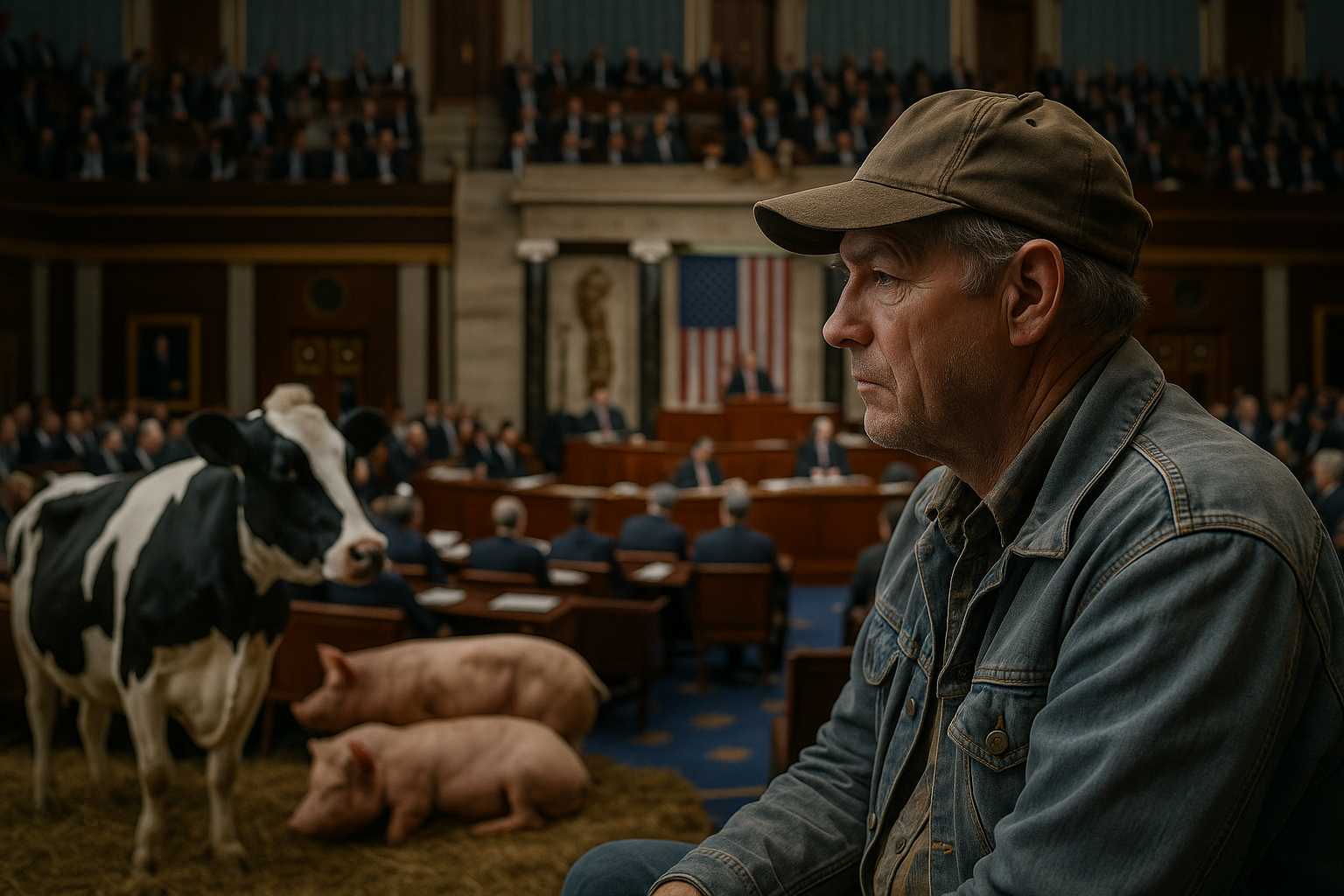
Local farmers and animal welfare advocates in Bennington County should be aware that Congress is currently debating potential rollbacks of state animal welfare laws as part of the ongoing discussions surrounding the federal farm bill. This legislation, which is revised approximately every five years, has significant implications for agricultural practices and animal treatment.
Save Our Bacon Act Livestock Regulations and Federal Oversight
The proposed changes include the Save Our Bacon Act, which aims to restrict states from regulating livestock raising practices. This measure primarily targets California’s Proposition 12, a law that mandates specific animal welfare standards, including prohibiting the use of gestation crates for hogs. Currently, 15 states, including Vermont, have their own regulations against such confinement practices.
Impact on Local Farmers
Vermont Animal Welfare Farming Laws and Market Standards
California’s Proposition 12 has influenced animal welfare laws across the nation, affecting how farms operate, including those in our region. While supporters argue that higher standards are increasingly demanded by consumers, opponents express concerns that varying state laws could undermine agricultural practices and impose additional burdens on farmers.
Voices from the Farming Community
U.S. Representative Ashley Hinson from Iowa stated, “This legislation will stop out-of-touch activists — who don’t know the first thing about farming — from dictating how Iowa farmers do their job,” highlighting the divide between agricultural producers and animal welfare advocates.
On the other hand, local representatives like Alicia Prygoski from the Animal Legal Defense Fund argue that consumer demand for humane treatment of animals is driving change. She noted, “No one is mandated to sell in California, and I think that’s a really important piece of this.” This reflects the ongoing market-driven evolution in farming practices.
What’s Next?
As Congress continues to negotiate the farm bill, the outcome could have lasting effects on agricultural regulations, potentially influencing how animal welfare laws are established across states. Local farmers and consumers alike should stay informed about these developments, as they will impact the future of farming in Bennington County and beyond.
Based on reporting originally published by Stateline. Read the original story.
Related: Bennington 250 Announces ‘250 for 250’ Year-End Gala to Support Anniversary Celebrations
Related: Bennington Battle Day Marked as Historic Monument Awaits Repairs
Related: Warm, Cloudier Pattern Sets In for Bennington County Before Weekend Drizzle and Cooler Air
Related: Damp Late-August Stretch Brings Rain, Drizzle, and Cooler Temperatures to Bennington County
Related: Border County Tax Pressures Mount as New York Shifts SNAP Costs
Related: Smithsonian Partners With Bennington Groups for Cultural Initiative
See a typo? Report it here.