North Carolina
Changes to North Carolina Mail In Ballot Rules Could Impact Local Voters
The North Carolina State Board of Elections approved on Monday a measure to disqualify certain absentee ballots ahead of the 2026 midterms. Members voted 3-2 along party lines. The measure allows county elections board staff to take further action on…

Last updated:
Key points
- North Carolina’s elections board approved a measure impacting absentee ballots.
- County staff can disqualify ballots with irregularities unless voters correct them.
- The new rules may lead to concerns about disenfranchisement among legitimate voters.
NewsWK — Recent developments in North Carolina’s election laws may have implications for absentee voters in our area. The North Carolina State Board of Elections voted on Monday to approve a measure that allows for the disqualification of certain absentee ballots, potentially affecting local residents ahead of the upcoming 2026 midterms.
NC Absentee Ballot Changes Approved
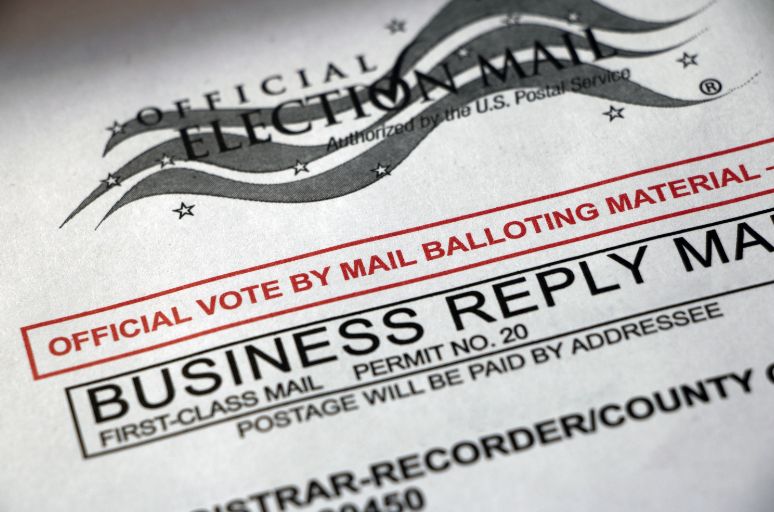
The board’s decision, which passed with a 3-2 vote along party lines, enables county elections staff to take additional steps regarding ballots that show “irregularities”. These irregularities include issues like improperly sealed ballots or the use of incorrect envelopes. In such cases, while staff are instructed to reach out to voters for clarification, ballots may still be discarded if no corrective action is taken.
Debate Over NC Absentee Ballot Disqualification
Supporters of the change, primarily Republicans, argue that it enhances election security. However, critics, including Democratic board member Siobhan Millen, express concerns that the new rules could disenfranchise legitimate voters. Millen stated, “I think it’s confusing. We’re going to lose perfectly sound ballots due to over-fussiness.” In contrast, Republican board member Angela Hawkins defended the measure, asserting that voters confused about the return envelope can seek help from their local elections office.
Broader Context of North Carolina Election Laws
This new proposal must still receive approval from North Carolina’s Rules Review Commission, comprised of Republican appointees, before it can be enacted. Additionally, recent discussions at the state level have also involved making it easier to invalidate ballots from voters without photo identification.
As these changes unfold, local residents should stay informed about how these rules might affect their voting experience in future elections.
This article was produced with the assistance of AI and reviewed by our editorial team.
Based on reporting by Christine Zhu originally published by Stateline. Read the original story.
Related: Bennington Local Option Tax: Town Seeks Resident Input Ahead of Vote
Related: Bennington Select Board Reviews 1% Option Tax Ahead of November Vote
Related: Bennington 250 Announces ‘250 for 250’ Year-End Gala to Support Anniversary Celebrations
Related: Multistate Lawsuit Challenges Federal Immigration Rules on Public Safety Grants
Related: Federal Judge Reinstates Freeze on Mail In Ballot Rules
Related: Bennington Police Investigate Overnight Vandalism at Vermont Veterans’ Home
See a typo? Report it here.