Bennington
License Plate Reader Network Tightens Rules Amid Growing Privacy Pushback
Flock Safety is tightening privacy and oversight controls for its nationwide network of automated license plate readers as more communities pull back from the technology and lawmakers across the political spectrum push for new restrictions. The company announced Thursday that…

Last updated:
Key points
License Plate Reader Network Tightens Rules Amid
- Flock Safety is recommending that police departments reduce license plate data storage from 30 days to seven days.
- The company is adding required case codes, automatic suspensions for suspicious searches, and controls on cross-agency data sharing.
- The changes come as more than 50 communities have dropped the technology following privacy concerns, officer misconduct cases, and mistaken stops.
NewsWK — Communities across New England and the country are taking a harder look at automated vehicle surveillance as the nation’s largest license plate reader vendor rolls out new privacy restrictions. Flock Safety announced changes to its software and policies this week following mounting scrutiny from local governments, civil liberties advocates, and lawmakers.
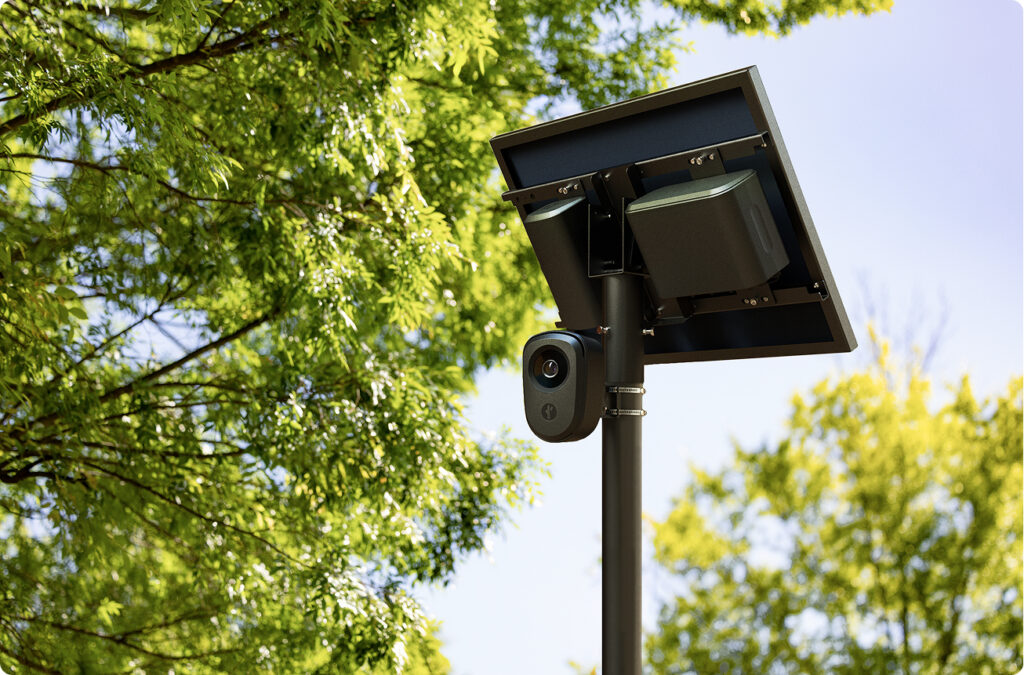
The company’s cameras photograph passing vehicles and log license plate numbers, vehicle characteristics, timestamps, and locations. Flock reports having more than 120,000 cameras operating across 49 states, serving thousands of law enforcement agencies and more than 6,000 communities.
Under the new updates, Flock is recommending that police departments reduce their standard data retention window from 30 days down to seven days. The company is also adding automated tools to catch unauthorized searches, requiring officers to attach specific case numbers to queries, and allowing towns to restrict which outside police agencies can view their local camera data.
Why it matters here
For residents traveling through Bennington County and across state lines into eastern New York or western Massachusetts, automated license plate readers represent an expanding layer of regional traffic monitoring. Highway corridors like Route 7 and Route 9 serve thousands of local commuters daily, making regional data collection a significant question for privacy and municipal oversight.
As municipal boards and local police departments evaluate modern policing tools, the balance between public safety and personal privacy remains a central debate. Changes to data retention and interstate sharing directly affect how long a driver’s travel history is stored and who has access to it outside local jurisdiction.
Key policy and software changes
Flock’s shift to a recommended seven-day storage window marks a departure from its original 30-day baseline. To accommodate long-term criminal investigations, the company is introducing an Evidence Mode that allows detectives to preserve specific plate records tied to active cases.
The software update also introduces several technical guardrails for police departments:
- Mandatory Case Codes: By the end of the year, officers will be required to enter an active case code before conducting a search, with emergency overrides flagged for supervisor review.
- Automated User Suspensions: An internal audit tool will scan for abnormal user activity and automatically suspend accounts that exhibit suspicious search patterns.
- Offense Filtering: Communities can set custom parameters on inter-agency data sharing, allowing outside departments to search cameras for specific violent crimes while blocking unrelated queries, such as immigration enforcement.
Flock Safety co-founder and CEO Garrett Langley defended the system updates as a way to maintain public trust. “These changes, like I said, are the next chapter of a long book I hope to write on how we build a better version of America that’s both safer, protects our privacy and holds those who have power accountable,” Langley said in a video statement.
Misuse incidents and civil liberties concerns
The policy overhaul follows several high-profile incidents involving wrongful stops and unauthorized surveillance. Nearly 50 police officers nationwide have faced accusations or criminal charges for using camera networks to track friends, family members, or romantic partners.
In Savannah, Georgia, four officers and two civilian workers were fired after an internal probe revealed improper searches on acquaintances. Meanwhile, in Wisconsin, a driver was stopped at gunpoint twice in one week after local police failed to remove an outdated wanted-vehicle alert from the system.
Civil liberties organizations remain cautious about the changes. The American Civil Liberties Union noted that previous safeguard measures, like open text fields for search reasons, were easily bypassed by officers entering vague justifications. The group advocates for a strict 48-hour retention limit and warned that exceptions could allow large amounts of location history to linger indefinitely.
Legislative pushback across states
More than 50 municipal governments and police agencies have canceled, paused, or rejected contracts with Flock since early 2026, according to DeFlock, an organization that tracks surveillance cameras. Lawmakers in several states are now advancing legislation to create binding statutory limits.
In Pennsylvania, a bipartisan group of legislators unveiled a bill to establish statewide audit rules, restrict data retention, and create civil liability for unauthorized access. “Technology that can help keep our communities safe should never become a tool for stalking or abuse,” said Pennsylvania state Rep. Jennifer O’Mara.
Federal lawmakers have also introduced proposals to bar federal surveillance purchases and prevent local departments from using federal grant money to buy plate reader networks. With state legislative sessions preparing to resume into 2027, debates over automated traffic surveillance and artificial intelligence in policing will likely remain a focal point for local leaders and residents alike.
This article was produced with the assistance of AI and reviewed by our editorial team.