Alaska
Voters Pass Noncitizen Voting Ballot Measures in Five States
Voters in five states approved new citizenship voting requirements on Tuesday while Arizona voters rejected theirs. Proposals to explicitly bar noncitizens from voting were on the ballot this week in six states: Alaska, Arizona, Arkansas, Kansas, South Dakota and West…

Last updated:
Key points
- Voters in five states approved constitutional amendments restricting voting strictly to U.S. citizens.
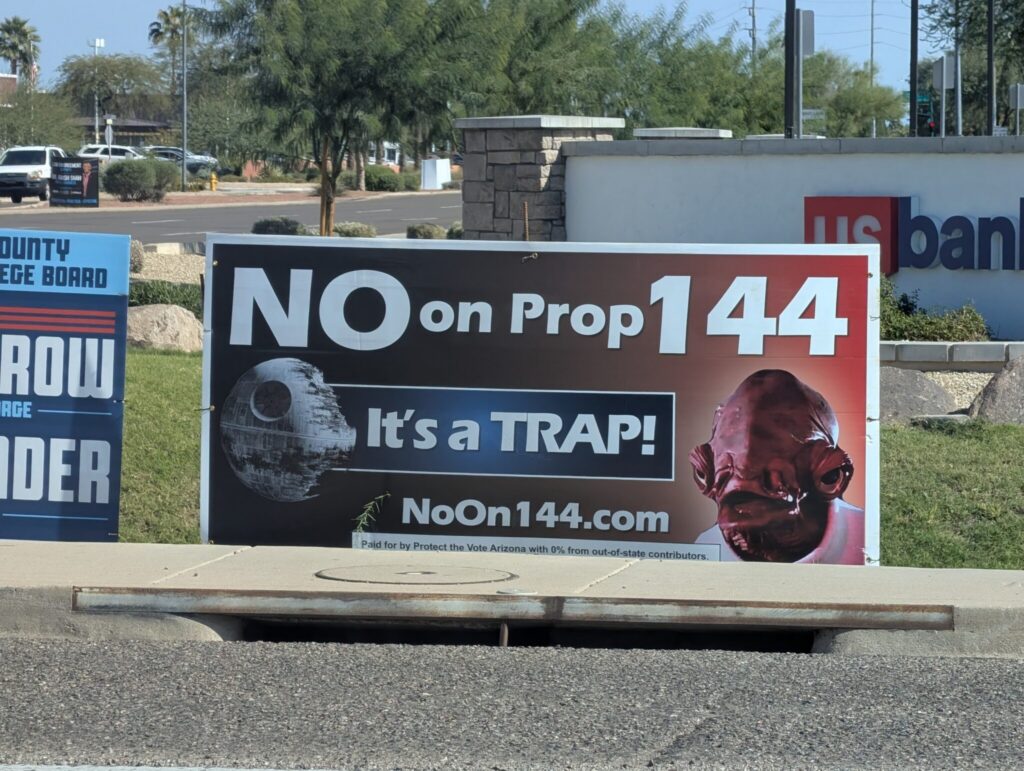
- Arizona voters defeated Proposition 144, which would have added wider voting restrictions and ID rules.
- Federal law already bans noncitizens from voting in federal elections, but select Vermont towns permit local voting.
NewsWK — Voters across six states faced major decisions about election rules during Tuesday’s elections. Stateline reported that voters in five states approved constitutional amendments restricting voting strictly to citizens. Meanwhile, Arizona voters rejected a broader measure.
Voters in Alaska, Arkansas, Kansas, South Dakota, and West Virginia overwhelmingly backed new restrictions. However, voters in Arizona defeated a complex proposal. That measure contained multiple election changes.
Why are states passing noncitizen voting bans in recent elections?
Voters in five states passed constitutional amendments on Tuesday. These measures explicitly restrict voting rights to United States citizens. Furthermore, they aim to prevent local municipalities from expanding local voting rights to noncitizen residents. Sponsors introduced these constitutional amendments to lock existing citizenship rules permanently into state constitutions.
Federal law already prohibits noncitizens from casting ballots in federal elections across the United States. Also, no state currently permits noncitizens to participate in statewide elections. However, legal experts note an important distinction. Some state constitutions leave room for municipal governments to adjust local voting rules.
For example, several cities in California, Maryland, and Vermont previously changed their local rules. They allowed legal noncitizen residents to vote in local municipal contests. Because of those local choices, lawmakers in conservative states moved to prohibit similar local laws. Between 2018 and last year, states placed 15 citizenship requirement measures on ballots. Voters approved all of them.
What do national noncitizen voting bans mean for Vermont communities?
Vermont stands out nationally because several cities allow noncitizens to participate in local municipal elections. For residents in Bennington County and surrounding Southern Vermont towns, this national movement highlights ongoing debates. Specifically, communities are debating local voter eligibility. While Vermont law allows local municipal charters, national conservative groups continue pushing for strict statewide restrictions.
Legal noncitizen residents can vote on local budgets and school boards there. Meanwhile, voters in neighboring states continue observing how state constitutional amendments shape regional election policies.
In West Virginia, voters overwhelmingly supported a new ballot measure. They added an explicit citizenship requirement directly to the state constitution. Republican state Senator Patricia Rucker sponsored the original legislation in West Virginia. Rucker stated, “I am proud that West Virginia’s voters chose to protect the integrity of our elections.”
How do state citizenship voting requirements change local elections?
Supporters argue that state citizenship voting requirements protect existing election rules. Thus, future legislatures cannot change them through standard legislation. However, voting rights advocates warn these amendments could pave the way for additional voter restrictions. University of Kansas law professor Amii Castle expressed concern about future laws. Lawmakers might use these constitutional changes to justify strict documentation demands on all voters.
Castle noted, “My concern is that they are going to use that to justify or as a pretext to say, ‘Well, wait a minute. We amended our constitution. Now it says only citizens can vote, therefore, prove your citizenship. Bring your documents.'”
Critics worry that stricter mandates might complicate the voting process. Specifically, this affects eligible citizens across rural and urban communities. Because voters might face new proof-of-citizenship hurdles, local election clerks could face increased administrative burdens during future election cycles.
Why did voters defeat Arizona Proposition 144 during this election cycle?
Arizona voters rejected Arizona Proposition 144 on Tuesday, standing apart from the other five states. This proposal included much broader election changes than measures in other states. For example, it required government-issued identification for all mail-in and in-person ballots. In addition, it banned foreign election contributions.
Supporters claimed Arizona Proposition 144 would make state elections faster and more secure. However, voting rights organizations argued against the measure. They said it would effectively end popular no-excuse mail-in voting in Arizona. Because the measure combined multiple contentious election changes into one vote, opponents successfully defeated it.
What key details define these state ballot measures?
The recent election results highlight varying approaches to state election legislation across the country. Therefore, voters saw different outcomes depending on the specific ballot language. Key details from the ballot measures include:
- Five Approved States: Alaska, Arkansas, Kansas, South Dakota, and West Virginia added strict citizen-only voting language to their state constitutions.
- One Rejected Measure: Arizona voters defeated Arizona Proposition 144 after critics argued it endangered mail-in voting options.
- Federal Policy: Federal law already forbids noncitizens from voting in presidential or congressional contests.
- Municipal Exceptions: Select cities in states like Vermont, California, and Maryland permit noncitizens to vote in local elections. Specifically, they can vote in city and school board contests.
Residents Across Bennington County and Southern Vermont can expect continued national debate. Ultimately, lawmakers will keep debating municipal charter flexibility and election administration.
This article was produced with the assistance of AI and reviewed by our editorial team.
Sources
Related: Noncitizen Voting Ballot Measures Spread Across State Ballots
Related: Supreme Court Clears Mail Ballot Order as VT, NY, and MA Fight Rules
See a typo? Report it here.