Arizona
Voters Nationwide Approve 2026 Criminal Justice Ballot Measures and Protect Cannabis
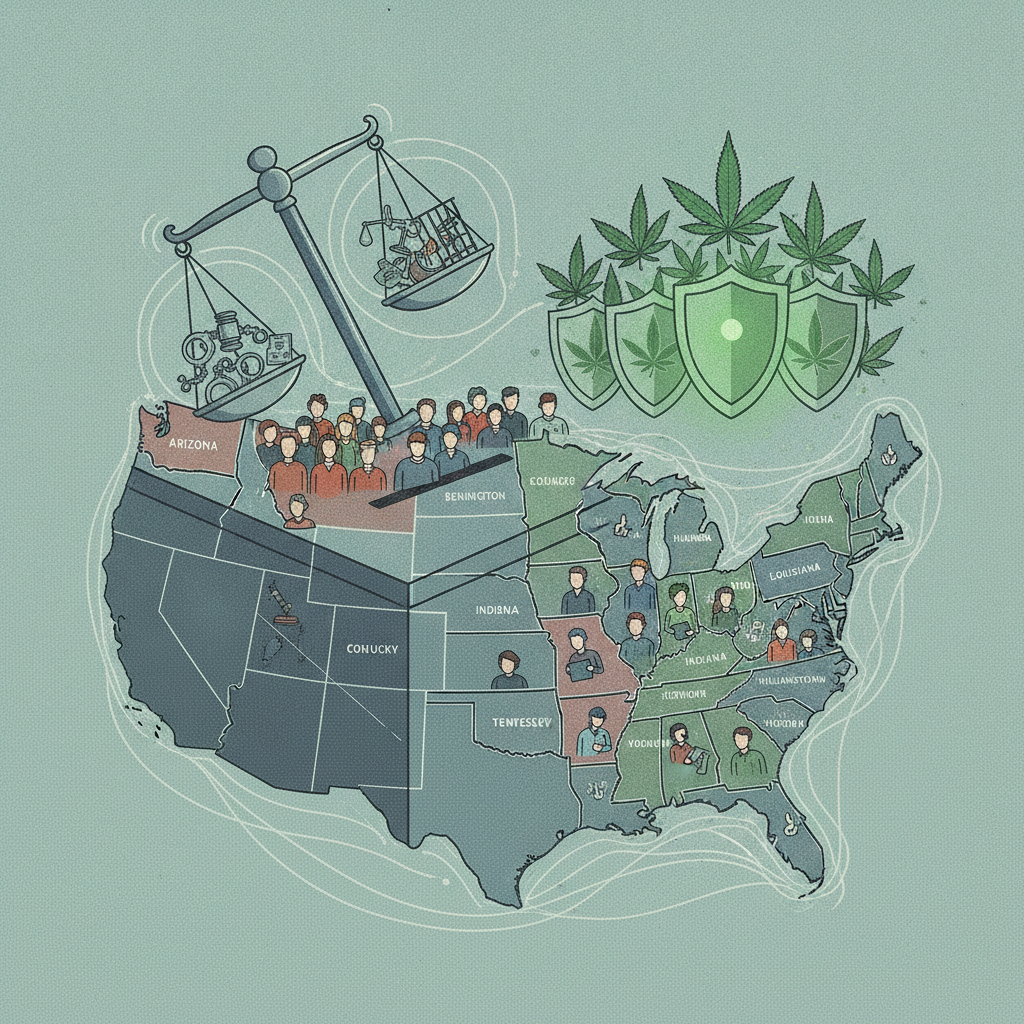
Millions of voters in 11 states approved tougher criminal penalties and more bail restrictions in Tuesday’s midterm elections, while rejecting efforts to roll back marijuana legalization and expand cooperation with federal immigration authorities. The results reflected a mixed approach to…

Last updated:
Key points
- Voters in Indiana, Louisiana, and Tennessee approved constitutional amendments to tighten bail rules for dangerous offenses.
- Massachusetts voters overwhelmingly defeated a measure that would have ended retail recreational marijuana sales.
- Colorado voters enacted stiffer penalties for fentanyl possession and child sex trafficking offenses.
NewsWK — Voters across 11 states approved significant public safety changes during Tuesday’s midterm elections. Southern Vermont residents living near state borders closely monitored these outcomes. Neighboring Massachusetts soundly rejected an effort to eliminate retail cannabis sales. Meanwhile, several other states enacted stricter pretrial detention rules and tougher criminal sanctions.
How do these national ballot decisions affect Southern Vermont and nearby border communities?
Voters across the region weighed important public safety and drug policy updates on Election Day. While Southern Vermont residents closely monitor state lines, nearby Massachusetts voters soundly defeated a repeal of adult-use cannabis sales. Meanwhile, other regions approved tougher crime penalty ballot measures to enhance judicial oversight and public safety.
For residents in Bennington County and Berkshire County, Massachusetts, drug policy changes remain especially relevant. Specifically, Massachusetts voters overwhelmingly chose to preserve their commercial adult-use cannabis industry. That system originally passed in 2016. The defeated proposal would have banned licensed retail sales while still allowing personal possession. Therefore, retail dispensaries in border towns like Williamstown and North Adams will continue normal operations.
What are the main state bail restrictions election results across the country?
Voters in several key states overwhelmingly supported constitutional amendments to tighten bail regulations. Additionally, these measures expand victim rights. Indiana, Louisiana, and Tennessee approved measures restricting pretrial release for dangerous crimes. Ultimately, these decisions give judges broader discretion to keep repeat or high-risk offenders in custody pending trial.
Across the country, voters strongly backed stronger judicial authority over pretrial release. For example, Indiana voters approved a constitutional amendment with 59% support. The change allows judges to deny bail when evidence of guilt is clear. It also applies when defendants present a substantial risk to public safety. Similarly, Louisiana voters approved a measure prohibiting post-conviction bail for aggravated offenses against minors, meaning convicted individuals cannot remain free while awaiting sentencing or filing appeals.
Tennessee voters also expanded their state’s list of non-bailable offenses. Their broad list now includes charges of terrorism, second-degree murder, and aggravated child rape. Furthermore, Tennessee voters expanded crime victims’ rights through a separate amendment. As a result, victims now hold the right to Attend Court hearings. They may also speak during release, sentencing, or parole decisions.
How do fentanyl penalties ballot measures impact regional public safety efforts?
State voters approved targeted initiatives to stiffen criminal sentences for dangerous drug offenses and human trafficking. Notably, Colorado voters passed Proposition 132 to increase penalties for illegal fentanyl possession. The Measure Also Mandates Court-ordered treatment. Overall, these nationwide efforts reflect growing public demands for strict enforcement against illicit synthetic opioids.
In addition, Colorado passed Proposition 133. This measure mandates life imprisonment without parole for child sex trafficking convictions. However, Colorado voters rejected Amendment 81. That proposal would have required local police to report suspected undocumented immigrants to federal officials. Elsewhere, Arizona voters designated drug cartels as terrorist organizations under state law. Moreover, Arizona voters restricted the use of photo traffic enforcement cameras in their towns.
Meanwhile, Missouri voters narrowly approved a constitutional amendment regarding local law enforcement leadership. The Measure Establishes Elected County sheriffs as the chief law enforcement officers in most counties. Additionally, it limits how state officials can remove sheriffs from office.
How did voters handle marijuana legalization election results 2026 and pardon reform?
Election results demonstrated strong public support for maintaining legal marijuana frameworks alongside targeted voting rights expansions. For instance, voters in Massachusetts defeated a repeal effort, preserving commercial cannabis sales. Additionally, Virginia restored voting rights automatically to former felons. Conversely, Kentucky restricted gubernatorial pardons immediately prior to state executive elections.
In Idaho, voters rejected a constitutional amendment regarding drug laws. That measure aimed to grant state lawmakers exclusive power over drug legalization. The defeated proposal would have blocked citizen ballot initiatives for psychoactive substances. Meanwhile, voters in Virginia approved a major civil rights amendment with 55% of the vote. The new law automatically restores voting rights to people with felony convictions after they complete their full sentences. Previously, former felons required a specific pardon from the governor.
Conversely, Kentucky voters passed a constitutional amendment restricting executive pardons. Therefore, Kentucky governors can no longer issue pardons during a specific election window. They also cannot commute sentences starting 60 days before a gubernatorial election until five weeks after.
What were the key election outcomes across the country?
Voters decided several major policy changes on Election Day across multiple states. Specifically, new constitutional amendments will reshape bail rules, drug enforcement, cannabis access, and voting rights. Below is a quick summary of how these ballot measures fared nationwide:
- Bail rules: Indiana, Louisiana, and Tennessee expanded judicial power to deny bail for violent crimes.
- Cannabis protection: Massachusetts voters preserved legal recreational marijuana sales by rejecting a repeal measure.
- Drug enforcement: Colorado voters passed harsher penalties for fentanyl offenses and child trafficking.
- Voting rights: Virginia automated rights restoration for individuals completing felony sentences.
What lies ahead for regional criminal justice policy?
Ultimately, these national election results show clear trends across the country. Voters favor targeted reforms that enhance public safety while protecting established personal freedoms. For lawmakers in Vermont and neighboring states, these ballot measures offer valuable insights. Specifically, they highlight public preferences regarding public safety, judicial accountability, and drug policy.
This article was produced with the assistance of AI and reviewed by our editorial team.
Sources
Related: How Will Criminal Justice Ballot Measures 2026 and Drug Policy Votes Impact Our Region?
Related: Ballot Measure Readability Reaches Graduate Level in 2026 Report
Related: How State Tax Ballot Measures Fared Across the Country
See a typo? Report it here.