Bennington
Immigration Enforcement Impact on Childrens Health Seen Across US
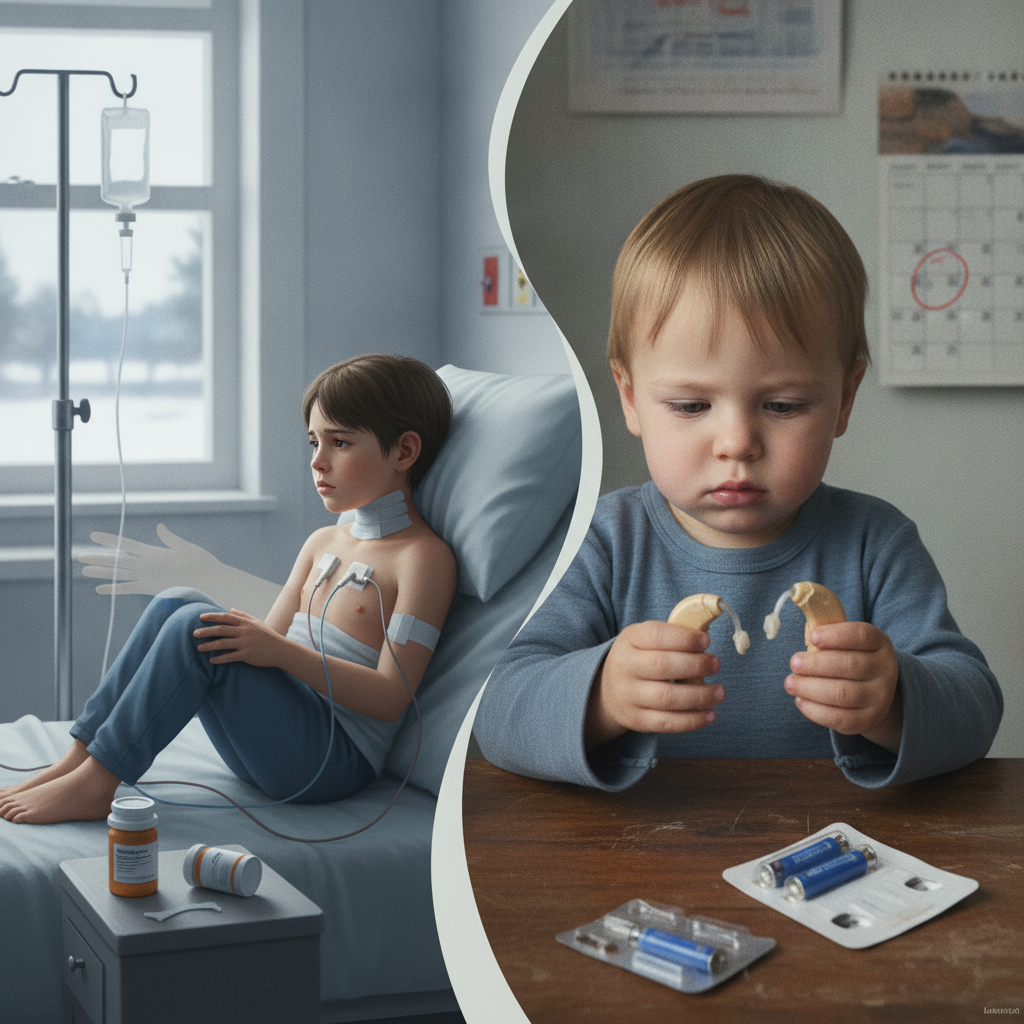
In Minnesota, an elementary schooler has gone without surgery to treat a rare, life-threatening neck infection that isn’t responding to antibiotics. Another young child can’t use their hearing aids because the family ran out of batteries and hasn’t come to…

Last updated:
Key points
- Federal immigration crackdowns have led to an 84 percent drop in pediatric clinic visits reported by surveyed medical professionals nationwide.
- Fear of arrest and benefit scrutiny has caused parents to delay surgeries, skip asthma medications, and avoid routine vaccines for children.
- Over 146,000 U.S. citizen children have seen a parent detained since early 2025, escalating emotional distress and pediatric health crises across the country.
NewsWK — Federal immigration crackdowns across the country are prompting immigrant families to skip essential pediatric care out of deportation fears. For community health networks and rural clinics across our region, delayed preventive medicine often translates into severe, costly emergency room visits later.
Why it matters here
Families across Bennington County and nearby rural towns rely heavily on regional healthcare networks. When fear keeps neighbors away from routine primary clinics, untreated infections and chronic ailments worsen. Consequently, local emergency rooms must shoulder more advanced health crises. This dynamic raises community healthcare burdens throughout Southern Vermont.
Rural agricultural communities in surrounding areas depend on migrant labor for orchards, dairies, and farms. When parents avoid clinics, children bear the physical consequences. Furthermore, health advocates stress that untreated pediatric illness quickly strains schools. It also burdens early intervention services and regional hospital networks.
How is the immigration enforcement chilling effect keeping kids from doctors?
Immigration crackdowns keep children away from doctors because families fear clinic surveillance and deportation. Mixed-status parents frequently skip routine checkups, avoid prescription refills, and delay surgeries to protect their households. Consequently, thousands of children lose access to timely medical intervention as families withdraw from public healthcare spaces.
Federal enforcement surges and changes to public assistance scrutiny have created widespread panic among mixed-status households. In addition, parents fear federal agents might monitor clinic locations or state benefit files. This behavioral shift leaves thousands of young patients without timely medical care.
Meanwhile, healthcare professionals across the country report significant drops in routine visits since early 2025. A nationwide survey conducted by the Migrant Clinicians Network and Physicians for Human Rights captured this stark trend. Specifically, the groups surveyed nearly 700 healthcare workers across 30 states. Notably, 84 percent of those workers confirmed noticeable drops in pediatric clinic visits.
Clinicians also noted that 27 percent of surveyed providers saw families avoid public benefits entirely. For instance, parents feared that signing up for Medicaid might trigger enforcement actions. Therefore, young patients lost regular checkups, vital therapies, and routine childhood vaccinations.
Why are pediatric health appointments immigration fear cases rising?
Pediatric appointment cancellations are rising because fear forces immigrant families into deep isolation. Parents avoid travel to keep their households safe from detention. Consequently, children miss crucial developmental therapies, audiology services, and routine health screenings. These missed visits lead to worsening developmental delays and unmanaged chronic health conditions.
In multiple states, clinics document sharp spikes in missed visits among non-English speaking households. For example, children often miss speech therapy, hearing aid upkeep, and routine developmental checks. Parents cancel these sessions because travel carries significant deportation risk.
Researchers examined hospital visits during large federal enforcement actions in Minnesota. In a study published by the American Academy of Pediatrics, researchers documented immediate clinic disruptions. Indeed, missed appointments jumped by 80 percent among Spanish-speaking families during that enforcement window. Moreover, appointments fell by 53 percent among families requiring language translation services.
Jasiel Fernandez, an executive with the child advocacy group Kids in Need of Defense, described how enforcement operations isolate vulnerable households. “The barrier is not necessarily lack of access, but more the fear and the isolation, and so the enforcement is having this chilling effect on immigrant families who, even though they may need these critical services, may be avoiding the hospital, the counseling, the victim services, and other essential care,” Fernandez noted.
What is the ICE arrests effect on pediatric care and chronic illness?
Surging arrests directly worsen pediatric chronic illness by delaying care until treatable ailments become dangerous medical emergencies. Doctors now treat advanced infections, severe asthma attacks, and unaddressed physical trauma that primary care could have prevented. In extreme situations, terrified parents even send unaccompanied, injured children to emergency departments alone.
Doctors cite numerous severe cases tied to missed pediatric appointments:
- In Minnesota, a young child suffered a worsening neck infection after missing corrective surgery.
- Another child went without working hearing aids because parents could not get battery refills.
- In North Carolina, a preteen patient lost access to ADHD medication because his family feared Medicaid tracking.
- In Florida, a farmworker community clinic recorded nearly 500 missed pediatric visits in just a few months.
- In Missouri, an 11-year-old child attacked by a dog arrived at an emergency room accompanied only by an older sister.
Dr. Asitha Jayawardena, a pediatric surgeon at Children’s Minnesota, expressed deep frustration with the growing barrier between patients and medical treatment. “It’s just very disheartening knowing that there’s something I can do, but I am prohibited from doing it because families don’t feel safe,” Jayawardena stated.
Beyond physical illness, doctors report rising rates of severe anxiety and depression among young patients. Children constantly worry about parental separation. In fact, caseworkers in Texas and California note adolescents suffering suicidal thoughts after parents or sponsors entered detention centers.
What sparked these national immigration enforcement trends?
A sharp escalation in federal enforcement operations and expanded scrutiny of public benefit records sparked these nationwide healthcare disruptions. Beginning in early 2025, federal arrest numbers surged dramatically while agencies examined benefit programs. Consequently, widespread fear of monitoring drove millions of immigrant and mixed-status families away from public institutions.
Federal immigration activity escalated significantly throughout 2025. In July, operations reached a monthly high of 51,000 arrests nationwide. In addition, policy changes allowed federal reviewers to scrutinize public benefit usage during immigration status checks. Federal agents also sought access to state Medicaid files to identify residential addresses.
According to researchers at the Brookings Institution, over 146,000 American citizen children experienced the detention of a parent between early 2025 and April 2026. Furthermore, Pew Research Center figures indicate that roughly 4.6 million citizen children lived with an unauthorized immigrant parent in 2023. These shifts ripple across schools, medical clinics, and town services everywhere.
For healthcare providers in our region, these national patterns highlight the fragile trust required for rural healthcare delivery. Clinicians continue to encourage parents to seek necessary care. Nevertheless, lingering community fear remains an enduring obstacle.
This article was produced with the assistance of AI and reviewed by our editorial team.
Sources
Related: Multistate Lawsuit Challenges Federal Immigration Rules on Public Safety Grants
Related: Federal Judge Blocks Overhaul of Teen Pregnancy Prevention Grants
Related: Immigrant Children Missing Healthcare as Care Avoidance Grows
See a typo? Report it here.