Arlington
Vermont Winter Hiking Safety Essential for Local Mountain Trails
Planning, gear and layers key to safe winter hiking in Vermont


Last updated:
Key points
- Proper planning, elevation checks, and turning back early are essential for winter mountain safety.
- Hikers should wear moisture-wicking layers, carry extra hats, and use traction devices and trekking poles on frozen trails.
- Severe freezing temperatures increase risks of hypothermia and frostbite, making safety gear and communication vital.
NewsWK — As winter weather arrives across Southern Vermont, outdoor enthusiasts in Bennington County and surrounding mountain areas are heading out onto cold-weather trails. Local outdoor safety experts emphasize that careful preparation and proper equipment remain crucial for every cold-weather excursion in our region.
Outdoor leaders across Vermont recently highlighted essential precautions for Winter Trail users. According to WCAX, state safety officials and hiking advocates stress that cold weather creates unique dangers on mountain slopes.
What Are the Top Winter Hiking Tips Vermont Experts Recommend?
Outdoor experts urge hikers to plan every route thoroughly before stepping onto a Winter Trail. Hikers should check elevation forecasts, measure distance against shorter winter daylight, and share detailed travel plans with family members. Turning back early remains the safest decision whenever severe weather or Exhaustion Threatens Trail safety.
Planning forms the foundation of every safe outdoor trip. Green Mountain Club Executive Director Mike Debonis emphasizes that winter conditions significantly extend travel times.
Hikers must check specific weather forecasts for their target elevation. Valley temperatures in Bennington or Manchester often differ dramatically from conditions on high summits in the Green Mountains. Because wind chill worsens cold risks at higher altitudes, mountain weather can change suddenly.
Trail difficulty ratings also demand close attention. Winter conditions can transform an easy summer path into a treacherous trek. Therefore, knowing the precise route beforehand helps prevent unexpected disorientation on obscured trails.
- Check detailed weather forecasts specifically tailored for high elevations before leaving home.
- Estimate travel time generously because snow and ice slow down overall pacing.
- Tell a friend or family member your exact route and expected return time.
- Review map details beforehand so you recognize key landmarks along the path.
- Turn back immediately if weather conditions worsen or daylight begins to fade.
How Does Green Mountain Club Winter Hiking Guidance Protect Trail Users?
The Green Mountain Club offers century-old expertise to help hikers safely navigate rugged mountain terrain during cold months. Their guidance focuses on managing bodily temperature and avoiding rapid cold exposure on exposed ridges. Following established club protocols helps reduce emergency search and rescue incidents statewide.
The century-old Green Mountain Club continuously works to Keep Trail enthusiasts safe during freezing temperatures. Executive Director Mike Debonis notes that proper gear choices protect outdoor lovers from unexpected weather shifts. Furthermore, carrying versatile equipment allows hikers to adapt quickly as mountain conditions shift.
American Red Cross regional communications manager Dan Dowling also highlights hypothermia risks. When temperatures approach or drop below zero, cold injuries can occur rapidly. Hikers should watch for early signs of trouble, including severe numbness, pale or waxy skin, and confusion.
If someone displays signs of extreme cold exposure or loss of consciousness, immediate shelter and medical help become critical. Remaining active generates body heat, but overexertion causes sweating that later leads to rapid chilling.
What Essential Winter Hiking Gear Vermont Hikers Need?
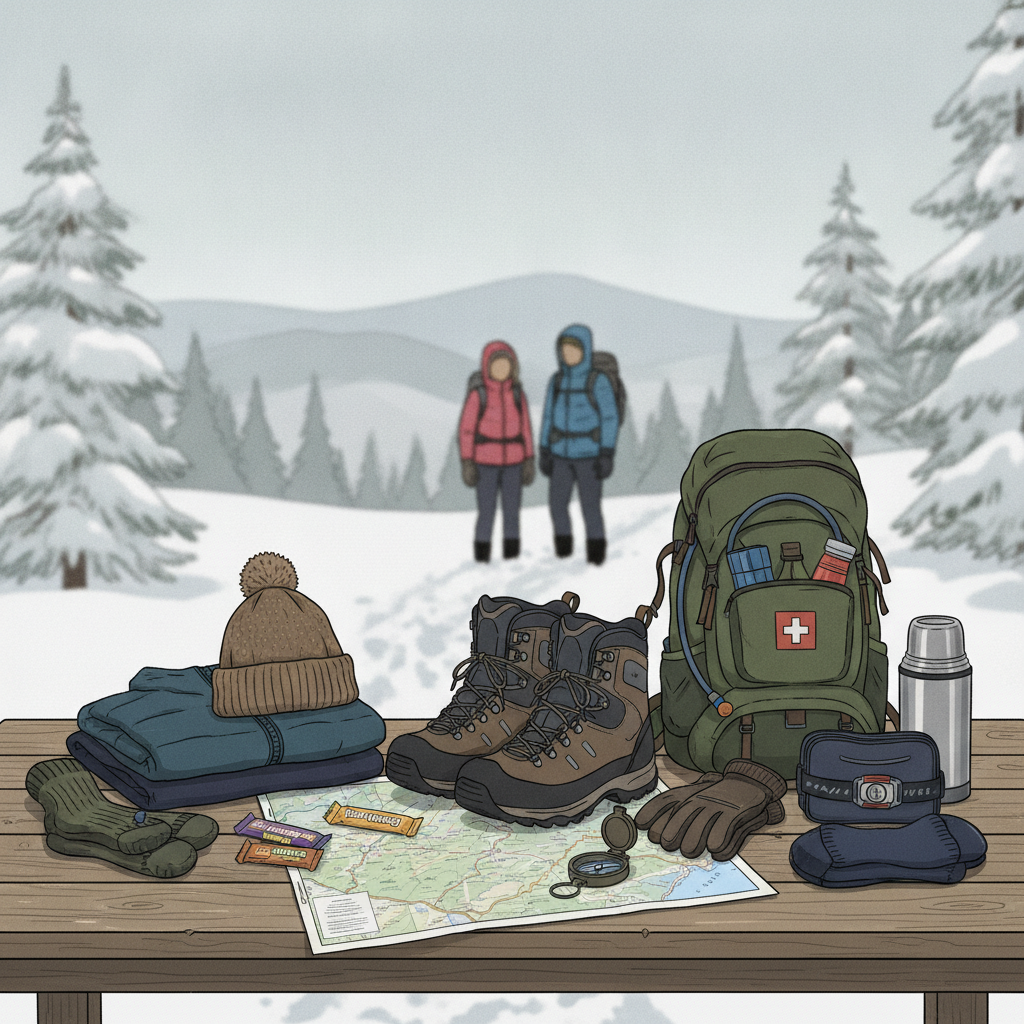
Proper cold-weather equipment must include moisture-wicking layers, insulating jackets, sturdy traction devices, and trekking poles. Carrying spare clothing items ensures hikers stay warm if primary gear gets wet from sweat or snow. These basic items significantly reduce hypothermia risks in backcountry settings.
Layering clothing correctly stands as a primary defense against severe winter cold. Hikers should add heavy warm layers while resting and shed outer layers when sweating during steep climbs. Because wet garments draw heat away from the body quickly, staying dry remains essential for safe winter hiking Vermont outdoor lovers practice.
Bringing extra accessories provides an important safety margin on cold outings. For example, carrying a backup hat allows hikers to switch out damp gear quickly. Moisture-wicking fabrics like wool or synthetics perform far better than cotton in freezing temperatures.
Specialized footing gear keeps hikers stable on slippery slopes. Traction devices like microspikes or crampons provide vital grip on frozen snowpack and hidden ice. Additionally, trekking poles offer essential stability on uneven mountain paths, helping hikers maintain balance on steep declines.
What Does Winter Mountain Safety Mean for Southern Vermont Hikers?
For residents in Bennington, Shaftsbury, Arlington, and Manchester, Winter Trail outings offer beautiful mountain views right in our backyard. However, local mountains like Mount Anthony or Equinox demand respect and thorough preparation during freezing winter weather. Being prepared ensures local families enjoy safe, memorable outdoor experiences without placing extra strain on regional rescue teams.
Winter conditions in Southern Vermont can shift rapidly within short distances. A calm afternoon in Pownal or Hoosick can quickly become a blustery freezing trip higher up the ridge. Therefore, local hikers must carry emergency supplies even on familiar neighborhood trails.
Having reliable communication tools helps rescuers locate stranded hikers quickly during emergencies.
Whether exploring local trails in North Bennington or hiking longer stretches of the Long Trail, preparation remains your best protection. Always prioritize personal safety over reaching a mountain summit, and remain ready to turn around whenever conditions deteriorate.
This article was produced with the assistance of AI and reviewed by our editorial team.
Related: Vermont Emergency Winter Shelter Capacity Expands for Cold Weather
Related: Bennington Tri-State Wrestling Club Opens Registration for K-12 Athletes