
Rutland
Vermont Wild Turkey Population Rebounds Across the State
Vermont’s wild turkeys make a comeback after disappearing in the 1800s


Last updated:
Key points
- Vermont’s wild turkey population recovered to an estimated 45,000 to 50,000 birds from just 31 stocked in 1969 and 1970.
- The restoration began in Southwestern Vermont after agricultural forest clearing eliminated native flocks in the 1800s.
- Funding from hunting licenses and equipment taxes supports the program, which yields over 140,000 servings of wild turkey annually.
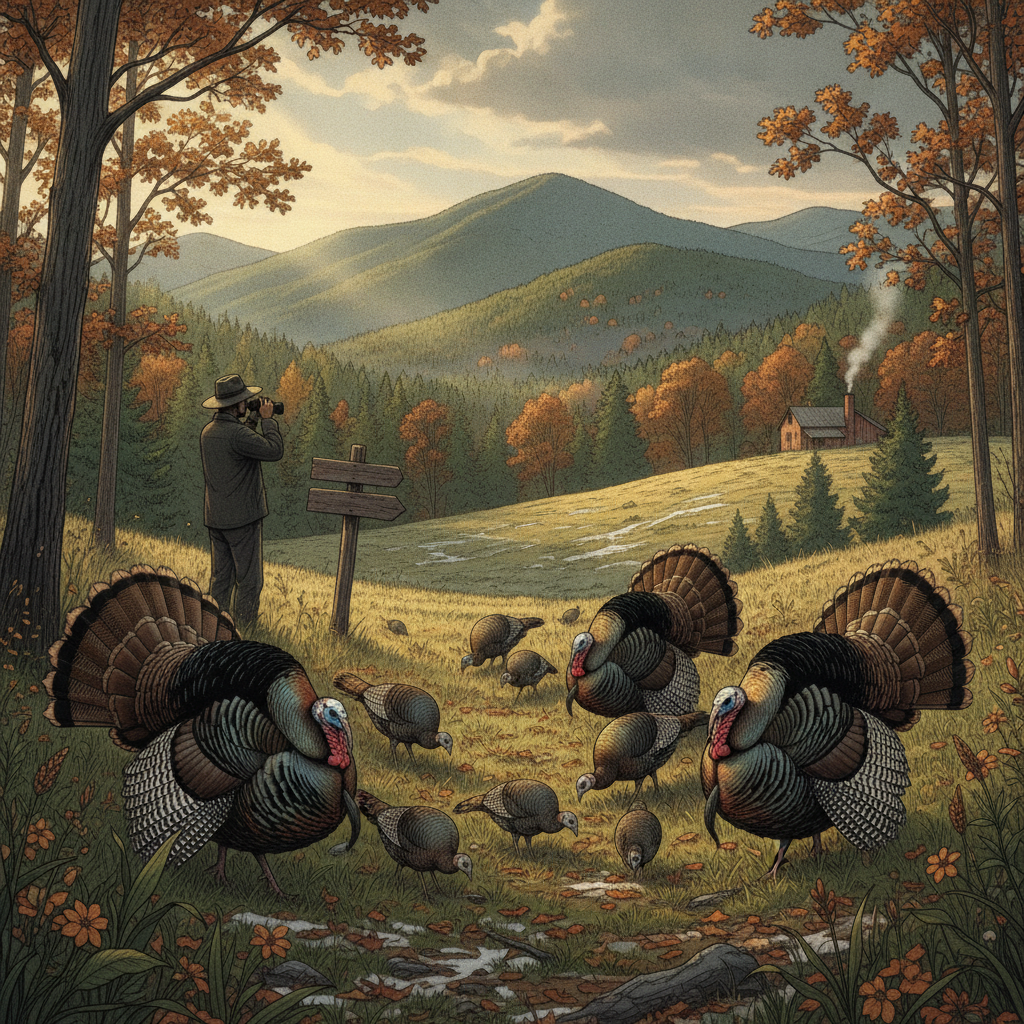
NewsWK — Wild turkeys are thriving across Vermont today, marking a major wildlife conservation comeback. Local forests now support tens of thousands of these native birds after the state’s original flocks vanished more than a century ago due to widespread habitat loss.
What Is the Current Vermont Wild Turkey Population?
The Vermont Fish and Wildlife Department estimates the current wild turkey population stands between 45,000 and 50,000 birds, which are now well-distributed throughout the state. remarkably, every wild turkey in Vermont today traces its ancestry back to just 31 original birds introduced decades ago. Each year, hunters in Vermont harvest more than 140,000 servings of wild turkey,
How Do Wild Turkeys in Vermont Support Conservation?
Funding for Vermont’s wild turkey restoration effort came directly from hunting license sales alongside a federal tax placed on hunting and shooting equipment. In addition to their conservation value, North America‘s native wild turkeys are the historical ancestors of domesticated Thanksgiving turkey breeds, including the broad breasted white, broad breasted bronze, white Holland, and bourbon red.
How Did Southwestern Vermont Wild Turkeys Recover?
Wild turkeys disappeared from Vermont during the mid-to-late 1800s due to severe habitat destruction as land was cleared for farming, leaving only 25 percent of the state covered by forest. Once Vermont’s forest habitat recovered enough to support the birds again, the Vermont Fish and Wildlife Department stocked 31 wild turkeys in Pawlet, located in Rutland County in Southwestern Vermont, during 1969 and 1970.
What Led to the Vermont Wild Turkey Reintroduction?
Key milestones behind the successful statewide restoration project included several critical steps:
- Forest habitat recovered sufficiently across Vermont after 19th-century farming clearing to sustain wild populations.
- State wildlife officials released 31 wild turkeys in Pawlet in 1969 and 1970.
- State wildlife biologists subsequently relocated groups of these birds northward to establish flocks across Vermont.
This article was produced with the assistance of AI and reviewed by our editorial team.
Related: Idaho’s Wolf Population Declines Amid Increased Hunting Regulations
Related: Escambia County Aging Population: Shifts Bring Challenges for Pensacola


