Bennington, Vermont News
Bennington Inflation Rate Climbs to 4.2% as Energy Costs Squeeze Budgets
Consumer price inflation reached 4.2% in May, the highest mark in three years, boosted largely by higher energy prices that have spiked because of the Iran war, according to federal numbers released on Wednesday. The higher year-over-year inflation rate was expected. But…

Last updated:
Key points
- Inflation in May reached 4.2%, the highest in three years.
- Rising energy prices are significantly impacting household budgets in Bennington.
- Residents may need to adjust their financial planning in response to ongoing inflation.
NewsWK — Bennington residents are feeling the pinch as inflation spiked to 4.2% in May, the highest level seen in three years, primarily driven by significant increases in energy prices. This rise in costs is particularly relevant for local households as they manage their daily expenses.
According to a report first published by Stateline, this year-over-year inflation rate is more than double the Federal Reserve’s target of 2%. Such high inflation suggests that a decrease in interest rates is unlikely in the coming months. Core inflation, which excludes volatile categories like food and energy, currently stands at 2.9%. In Bennington County, costs have surged in specific areas, with apparel prices increasing by 4.8% and transportation services seeing a 4.1% rise.
Impact of Bennington County Energy Prices
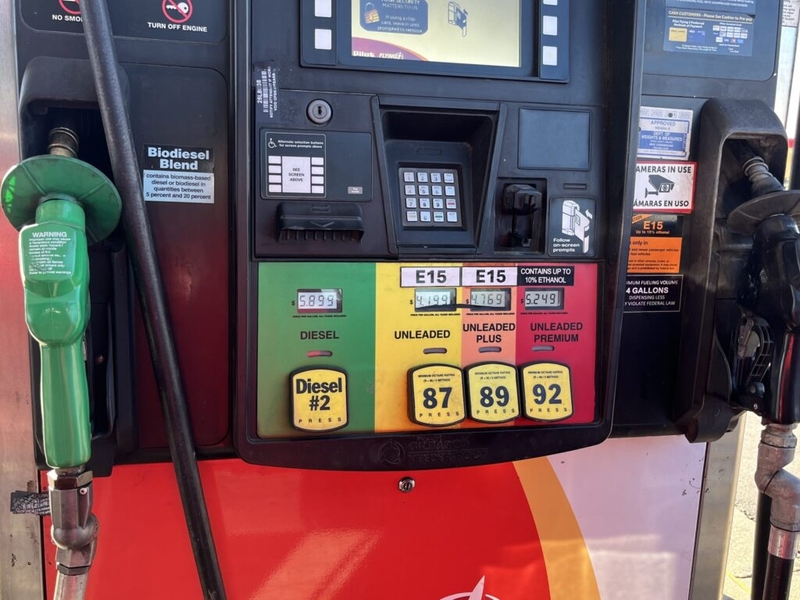
The ongoing conflict in Iran has been identified as a key factor contributing to rising energy costs. Mark Zandi, chief economist for Moody’s Analytics, pointed out that the larger tax refunds many Americans received this year are not enough to offset the soaring prices of gasoline and diesel. He stated, “The bigger tax refunds Americans have received this year no longer cover the higher costs of gasoline, diesel, and jet fuel caused by the war.” This situation adds strain to local budgets as residents face higher transportation and energy costs.
Inflation Trends Across the Country
Inflation rates are not uniform across the nation, with the Northeast and Midwest experiencing the highest rates at 5%. In contrast, the West has a lower rate of 3.5%, while the South stands at 3.9%. For Bennington residents, understanding these trends is essential as they plan their finances.
Preparing for Future Financial Adjustments
Managing the Cost of Living Bennington VT Families Face
As inflation continues to rise, Bennington residents may need to make further financial adjustments. Monitoring local prices and effectively budgeting will be crucial as they navigate the evolving economic landscape.
This article was produced with the assistance of AI and reviewed by our editorial team.
Based on reporting originally published by Stateline. Read the original story.
Related: Warm, Cloudier Pattern Sets In for Bennington County Before Weekend Drizzle and Cooler Air
Related: Bennington 250 Announces ‘250 for 250’ Year-End Gala to Support Anniversary Celebrations
Related: Damp Late-August Stretch Brings Rain, Drizzle, and Cooler Temperatures to Bennington County
Related: Bennington Battle Day Marked as Historic Monument Awaits Repairs
Related: Border County Tax Pressures Mount as New York Shifts SNAP Costs
Related: Smithsonian Partners With Bennington Groups for Cultural Initiative
See a typo? Report it here.