Bennington
Lake Champlain Cyanobacteria Research Uncovers Bottom-Dwelling Algae Risks
‘Jelly globs’ and ‘puffy brown mats’: Scientists search for answers about a lesser-known type of cyanobacteria


Last updated:
Key points
- Scientists in Vermont are entering the third year of a dedicated research project to monitor bottom-dwelling benthic cyanobacteria in Lake Champlain.
- The underwater algae forms dark, jelly-like globs or brown mats along lakebeds and can carry high concentrations of neurotoxins.
- Pet owners and swimmers should avoid touching or ingesting suspicious shoreline debris, as ingestion poses serious safety risks to dogs.
NewsWK — Ongoing Lake Champlain cyanobacteria research is shining light on a hidden underwater threat for Vermont water users. For years, Residents Across Bennington County and Southern Vermont knew about floating green algae blooms. However, scientists are now turning their attention to bottom-dwelling growth that hides along the lakebed. Furthermore, these submerged organisms can produce dangerous neurotoxins. Specifically, these toxins endanger pets, wildlife, and swimmers.
What Is Benthic Cyanobacteria in Lake Champlain?
Benthic cyanobacteria grow directly on lake bottoms and streambeds rather than floating near the surface. Unlike typical blue-green algae blooms, these submerged colonies form thick, textured mats along the sediment. Currently, Vermont researchers study benthic cyanobacteria Lake Champlain populations. Specifically, they want to understand how these growths behave during warmer seasons.
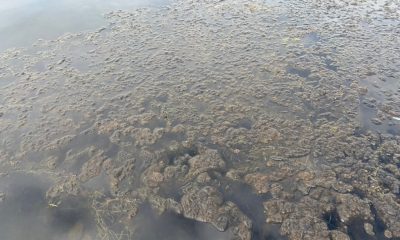
These bottom-dwelling organisms take on several distinct forms underwater. For instance, observers often describe them as puffy brown mats or thick leathery sheets. In other spots, they look like gelatinous blobs clinging to rocks and submerged vegetation. Meanwhile, colors vary widely across species. In particular, they range from tan and brown to dark green or almost black.
When these algae mats break loose from the bottom, they can drift toward shorelines. Additionally, when dried along the beach, they sometimes resemble squished bath beads tangled in aquatic plants. Therefore, swimmers and pet owners must remain vigilant even when surface waters look completely clear.
How Does benthic cyanobacteria Vermont Research Target Underwater Toxins?
Scientists from the Lake Champlain Committee, Brigham Young University, and Tetra Tech are entering their third research year. Specifically, the team actively surveys submerged lakebeds to document colonies and measure toxin levels. Additionally, they are creating a visual guide. This tool helps officials and communities identify hazardous benthic cyanobacteria Vermont growths.
Lindsey Cookson is a researcher with the Lake Champlain Committee. She works alongside Hannah Bonner, a professor at Brigham Young University. Together with specialists from the engineering firm Tetra Tech, they gather field samples directly from underwater habitats. Ultimately, their ongoing monitoring project aims to unlock critical answers about how these organisms thrive in Vermont waters.
Scientists already know that submerged mats can harbor potent neurotoxins that attack the nervous system. In fact, certain studies indicate these bottom mats hold higher toxin concentrations than floating surface blooms. However, researchers still do not fully understand what triggers the release of these toxins into surrounding waters.
What Risk Do cyanobacteria jelly globs Vermont Formations Pose to Pets? Lake Champlain Cyanobacteria Research
Submerged mats and floating cyanobacteria jelly globs Vermont formations pose a direct threat to domestic animals. Because neurotoxins remain concentrated inside the algae mats, dogs face severe risks along local shorelines. For instance, pets can get sick if they chew on washed-up debris, swallow floating clumps, or drink water near decaying growth.
Most toxin exposure occurs through direct ingestion rather than simple skin contact. For example, dogs naturally explore shorelines, sniff around wet vegetation, and drink from shallow lake edges. Consequently, if a dog consumes part of a toxic mat, severe neurological symptoms can develop quickly.
To protect vulnerable animals, researchers are building a field identification rubric. Specifically, this tool will help local health officers and park staff recognize dangerous species quickly. Meanwhile, pet owners should prevent dogs from playing near suspicious underwater mats or floating brown clumps.
What Should Local Water Enthusiasts Look Out for This Season?
Local residents and visitors should check water conditions carefully before wading, swimming, or letting pets enter the lake. As climate change brings warmer weather, health officials urge proactive caution along all Vermont waterways.
Understanding environmental triggers helps local communities prepare for potential risks. First, benthic organisms rely on sunlight penetrating clear shallow water. Second, they feed on nutrient pollution on lake floors. Consequently, shallow bays and calm shorelines often foster ideal growing conditions.
What you need to know before heading to the water:
- Check the waterbed for thick brown, tan, or black textured mats before entering.
- Look out for dark, jelly-like globs floating near aquatic weeds or washing onto beaches.
- Report unusual shoreline mats to local environmental monitors or park staff.
Researchers expect climate change will accelerate these growth cycles across the region. Therefore, continuous Lake Champlain toxic algae research remains vital for safeguarding community health and local ecosystems.
This article was produced with the assistance of AI and reviewed by our editorial team.
Related: Lake Champlain Chocolates Union Vote Fails at Williston Plant
Related: Vermont Champ Lake Champlain Stamp Coming to Mailboxes in 2027
Related: Lake Champlain Benthic Cyanobacteria Study Expands as Researchers Seek Answers