Bennington, VT News
Lake Champlain Benthic Cyanobacteria Study Expands as Researchers Seek Answers
“We can’t know what we don’t observe,” said Mindy Morales, a UVM professor who studies lake ecosystems. A monitoring project tracking benthic cyanobacteria, which grows on the bottom of lakes and streams, has been extended to a third year. Read…


Last updated:
Key points
- Researchers are expanding a monitoring project to study benthic cyanobacteria growing along the bottom of Lake Champlain.
- Volunteers have collected 18 samples from shoreline towns like Isle La Motte, Alburgh, and Shoreham for DNA and toxin analysis.
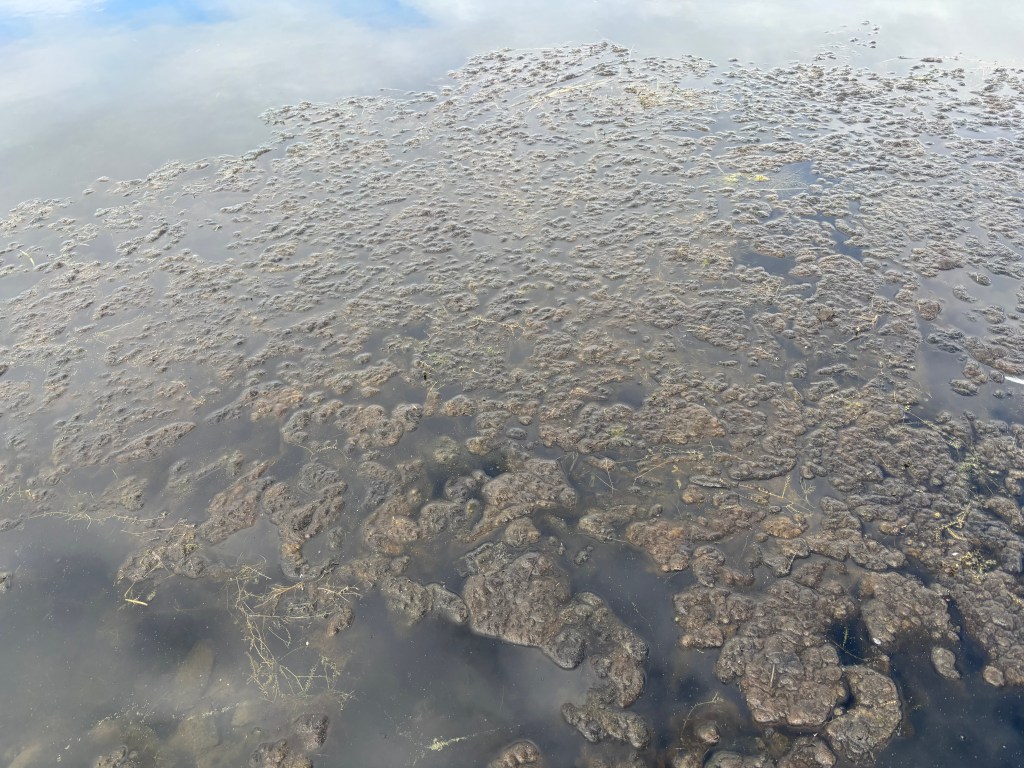
- Experts advise swimmers and pet owners to avoid touching floating brown mats or jelly globs that dislodge from the lake floor.
Montpelier, Vt. NewsWK — Vermont water enthusiasts know the familiar sight of bright green surface scum during warm summer months. However, scientists are now turning their attention to a less visible threat on lake bottoms. Researchers are expanding efforts to study Lake Champlain benthic cyanobacteria. Specifically, they want to determine if bottom-dwelling algae pose risks to public health.
Unlike traditional floating blooms of Vermont blue green algae, these organisms attach to underwater rocks. They also cling to plants and sediment. Consequently, beachgoers and boaters often miss them during routine trips to the shore. Therefore, local watershed groups urge residents to learn the signs of benthic growth. This knowledge helps protect families and pets.
What Is Lake Champlain Benthic Cyanobacteria and How Does It Grow?
Lake Champlain benthic cyanobacteria grows directly on rocks, sediment, and underwater objects along the lake bed. Unlike common varieties, it does not float on the surface. Instead, these organisms often resemble gelatinous globs or puffy brown mats. While surface blooms turn water bright green, benthic species remain hidden underwater until pieces break free and float.
Cyanobacteria rank among the oldest living organisms on Earth. For billions of years, these microscopic organisms have adapted to extreme environments across the globe. In lakes and ponds, they generate oxygen and feed diverse aquatic life. However, certain species produce harmful toxins under specific environmental conditions.
Field coordinators note that benthic varieties look dramatically different from traditional surface scum. Instead of creating a pea-soup surface coating, benthic colonies form dark mats on bottom surfaces. For example, some clusters appear as soft brown patches. Meanwhile, others look like clear or tinted jelly globs. Because these organisms thrive underwater, standard surface monitoring often misses early growth stages.
What Does Benthic Growth Mean for Lake Champlain Water Quality and Swimmers?
Rising concerns over Lake Champlain water quality stem from potential toxins in growing benthic mats. Therefore, water safety officials urge swimmers, pet owners, and anglers across Vermont to stay alert along shorelines. Detached brown mats often float near popular beaches. Consequently, these mats can pose health risks if people or animals touch or ingest them.
Public health experts monitor cyanobacteria closely. Certain strains release compounds that harm human health. In particular, dogs face high risks because they often drink lake water. They also lick algae mats off their fur. Although surface blooms triggered major beach closures and federal pollution cleanup efforts, benthic varieties remain less understood.
Aquatic safety advocates emphasize that bottom-dwelling mats usually remain harmless while attached to submerged rocks. However, strong wave action or natural life cycles can dislodge large pieces. “Most of the time they’re on the bottom of something and you just don’t pay any attention to it,” said Angela Shambaugh. She is a former board member of the Federation of Vermont Lakes and Ponds. “But when those mats break loose and they float, then, then people need to be aware.”
How Does Lake Champlain Cyanobacteria Monitoring Help Protect Shorelines?
The Lake Champlain cyanobacteria monitoring initiative relies on trained volunteer citizen scientists. These volunteers identify and collect underwater growth samples. Next, program leaders use laboratory testing to analyze DNA and potential toxin levels. Furthermore, researchers are expanding surveillance into a third year. This baseline data tracks shifts in aquatic communities across multiple shoreline communities.
The monitoring effort represents a joint partnership between the Lake Champlain Committee and the engineering firm Tetra Tech. Organizers established the specialized sampling process after field volunteers reported unusual bottom growth in 2018. Since then, dedicated participants have gathered 18 distinct samples from multiple lake access points.
Key sampling locations across the region include the following shoreline communities:
- Alburgh: Northern lake sampling sites located near public boat access points.
- Isle La Motte: Monitoring areas surrounding local shoreline accesses.
- Hero Islands: Collection points across South Hero, North Hero, and Grand Isle.
- Ferrisburgh and Shoreham: Southern bay monitoring zones along agricultural watersheds.
Collected specimens travel directly to specialized laboratories for detailed analysis, where samples undergo toxin testing and DNA sampling. Project leaders hope these ongoing tests will explain why specific shorelines harbor more growth than others.
Why Are Weather Shifts and Nutrients Driving Benthic Cyanobacteria Vermont Sightings?
Nutrient runoff from intense rainstorms fuels sudden growth spurts in benthic cyanobacteria that Vermont researchers are currently tracking. Specifically, heavy rainfall washes nitrogen and phosphorus into tributaries. This runoff creates ideal feeding conditions for algae species. When droughts follow severe storms, changing nutrient levels allow specialized microscopic communities to expand rapidly across shallow lake floors.
Water chemistry plays a massive role in dictating which organisms dominate local ecosystems. Nitrogen and phosphorus from stormwater runoff enter lake tributaries. Consequently, they provide rich food sources for microscopic organisms. University of Vermont associate professor Mindy Morales explained that cyanobacteria adapt swiftly to environmental changes. Additionally, she noted that scientists “can’t know what we don’t observe” without persistent field monitoring.
Rapid nutrient influxes allow new generations of cyanobacteria to multiply in just a few days. As a result, unpredictable weather patterns create prime conditions for sudden population shifts in the water column. Drought periods concentrate nutrients in shallow bays, while storms deliver stormwater pulses of nutrients.
Understanding these microscopic dynamics helps environmental managers plan long-term restoration strategies. Ecological recovery in large lakes often requires decades of sustained effort. Therefore, accurate scientific data remains essential for protecting public health and local wildlife habitats.
What Should Local Residents Do Next?
Community participation remains critical for tracking aquatic health across Vermont waterways. Currently, the Lake Champlain Committee actively seeks new volunteers to expand field surveillance during the upcoming season. Local residents who frequent lake shorelines can receive training. Afterward, they can identify benthic mats and report unusual growth to water authorities.
When visiting the lake, residents should inspect shallow waters before swimming or letting pets enter. Furthermore, visitors must avoid touching unusual brown mats or jelly-like clusters floating near shore. By staying informed and reporting suspicious growth, local communities can help scientists protect Vermont’s treasured water resources.
This article was produced with the assistance of AI and reviewed by our editorial team.
Sources
Related: Lake Champlain Cyanobacteria Research Uncovers Bottom-Dwelling Algae Risks
Related: Lake Champlain Chocolates Union Vote Fails at Williston Plant