Alaska
Impact of Federal Funding Cuts on Indigenous Services Resonates in Southern Vermont
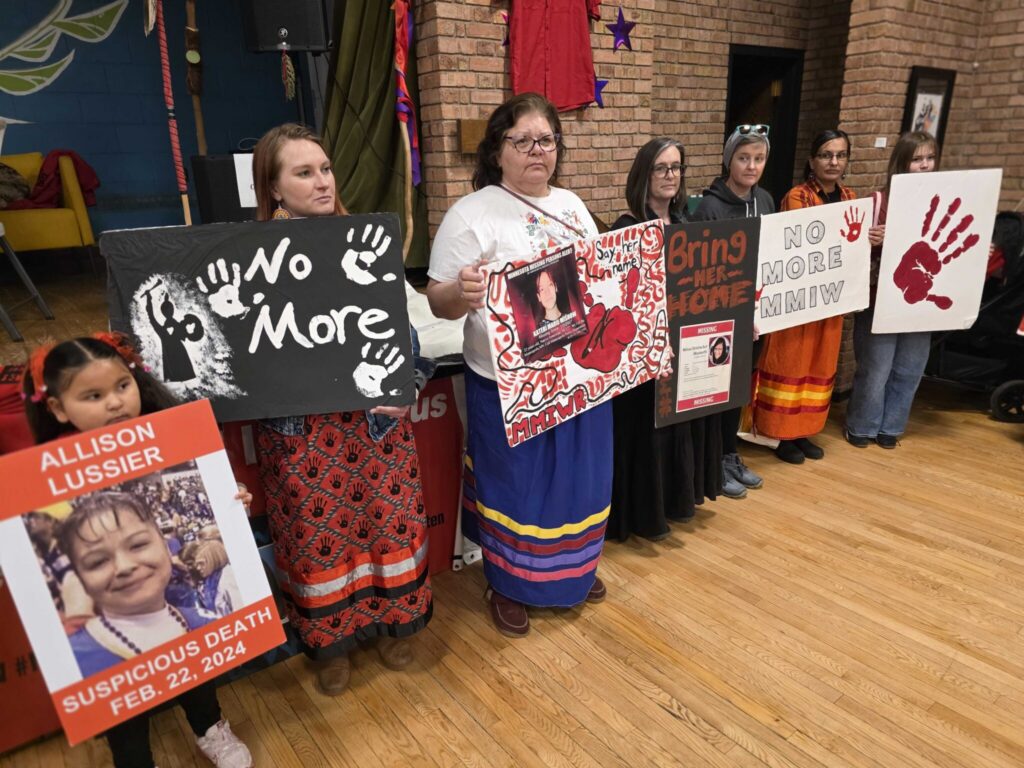
Organizations serving American Indian and Alaska Native survivors of violence say reductions in federal funding have led to over 1,000 unmet requests for help, according to a new report. The Urban Indian Health Institute, an Indigenous health research group, surveyed…

Last updated:
Key points
- Federal funding cuts have left over 1,000 requests for help unmet among Indigenous violence survivors.
- Local organizations may face staff layoffs and service reductions due to funding challenges.
- Community advocacy is crucial to restore necessary resources for Indigenous support services.
NewsWK — The recent report detailing reductions in federal funding for Indigenous services brings concerning news for communities in Southern Vermont, including Bennington, Shaftsbury, and nearby areas. According to the Urban Indian Health Institute, these cuts have left over 1,000 requests for assistance unmet among American Indian and Alaska Native survivors of violence.
Funding Cuts Affect Vital Services
Organizations that support survivors of violence reported significant challenges due to federal funding reductions, which have led to the inability to provide essential services such as safe housing, transportation, and counseling. The report surveyed 201 tribes, tribal organizations, and urban Indian nonprofits, highlighting the far-reaching impact of these funding cuts.
During a recent congressional hearing, U.S. Rep. Adelita Grijalva of Arizona emphasized the critical nature of these services and the alarming number of unmet requests. Specific statistics revealed that tribal organizations reported being unable to fulfill 690 requests related to safe housing and 466 requests for other support services. Nearly 41% of the surveyed organizations expect to reduce various services, impacting healthcare, legal assistance, and support for veterans.
Local Implications
For residents of Bennington and surrounding communities, these funding cuts signal a potential decline in available resources for vulnerable populations. Local organizations that rely on federal grants for their operational budgets may face staff layoffs and program cancellations, which could exacerbate the challenges faced by survivors of violence in our area.
The report’s findings come at a time when the need for support services is paramount. With many organizations already stretched thin, the loss of federal funding could compromise their ability to provide critical assistance to those in desperate need.
Calls for Action
During the congressional hearing, Abigail Echo-Hawk, director of the Urban Indian Health Institute, shared her personal experiences as a survivor of violence and called for greater support and resources for Indigenous communities. The urgency of restoring funding for domestic violence and victim services is clear, especially as disparities in violence against Native women continue to persist.
As our local leaders and organizations work to address these challenges, the community’s support is essential in advocating for the restoration of vital services that protect and empower survivors of violence.
What’s Next: Local residents can stay informed and engaged in discussions about funding for Indigenous services and consider supporting organizations that provide assistance to vulnerable populations.
This article was produced with the assistance of AI and reviewed by our editorial team.
Based on reporting by Nada Hassanein originally published by Stateline. Read the original story.