
Bennington
Local Lawmakers Focus on Online Safety and AI Regulation at National Summit
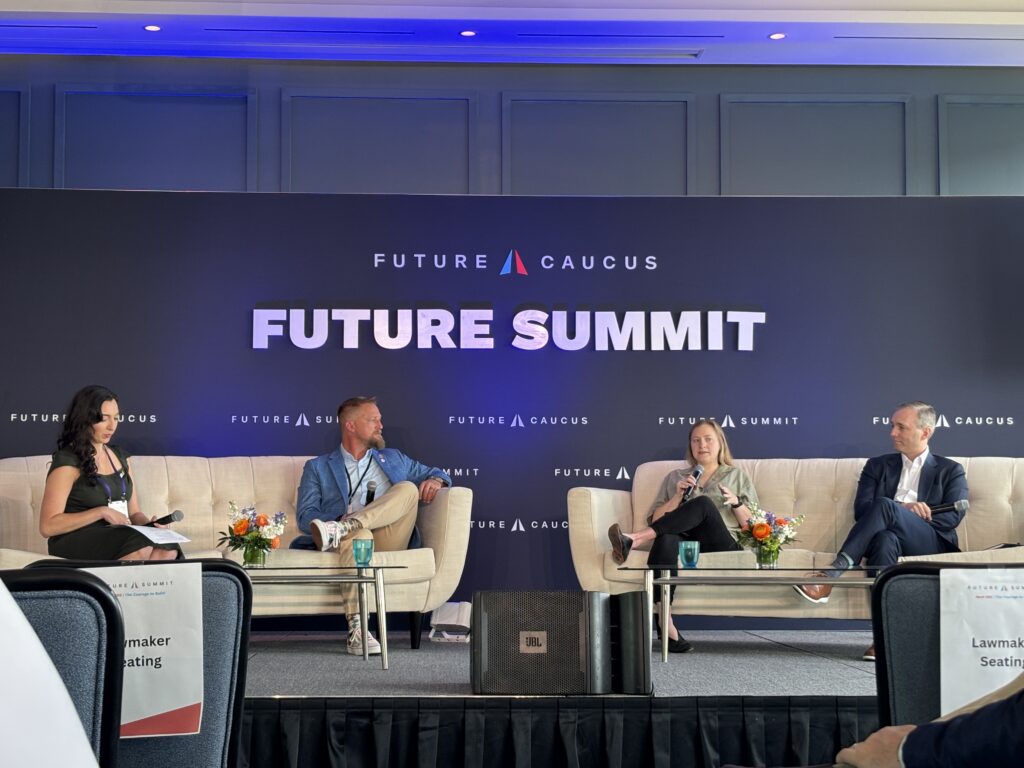
WASHINGTON — Young Democratic and Republican state lawmakers from across the country found common ground Friday on the need to regulate artificial intelligence and kids’ online safety. Legislators at an annual conference hosted by Future Caucus, an organization that aims…

Key points
- Young lawmakers are advocating for regulations on AI and online safety for children.
- Personal experiences, like that of Rep. Brandon Guffey, are driving these policy discussions.
- Local officials may soon take action based on national summit outcomes to enhance online safety in our communities.
WASHINGTON NewsWK — Young lawmakers from across the country, including those representing Vermont, gathered for a bipartisan summit on July 10, 2026, to discuss critical issues surrounding online safety for children and the regulation of artificial intelligence (AI). This conference, organized by the Future Caucus, aims to foster collaboration among Gen Z and millennial leaders, highlighting the pressing need for regulatory measures in the digital age.
Key Discussions on Child Safety and AI
During the summit, legislators emphasized the importance of implementing policies that hold technology companies accountable for exposing children to harmful online content. South Carolina State Representative Brandon Guffey, who has personal experience with the dangers of online activities, advocated for “guardrails” rather than outright bans on technology, stating, “We cannot keep kids offline right now.” His advocacy stems from the tragic loss of his son to online sextortion, a situation that has now become a felony in his state through Gavin’s Law.
Tomicah Tilleman, president of Project Liberty, raised concerns about the addictive nature of AI technologies, urging lawmakers to reconsider the existing frameworks that allow these tools to thrive at the expense of user privacy. He stated, “Take a hard look at the structures that have led us to where we are… and start thinking… about how we can build something better.”
Addressing Mental Health with AI
Ohio State Representative Christine Cockley highlighted alarming trends regarding young people’s reliance on AI chatbots for mental health support. She is pushing for legislation that mandates AI developers incorporate mental health frameworks into their models, aiming to prevent chatbots from encouraging harmful behaviors among youth. “We have to listen to the people with lived experience to create good, sound policy,” Cockley emphasized.
The Role of States in AI Regulation
Vermont Representative Monique Priestley and Pennsylvania Representative Joe Hogan discussed the swift advancement of AI technology. While Hogan suggested a national regulatory framework might be more effective for developing AI models, Priestley argued that states should take the lead in addressing localized issues, thus maintaining their rights to self-govern. “It is the one bipartisan issue where we can come together and experiment,” she noted, underscoring the need for government oversight in this evolving landscape.
What’s Next for Local Leaders?
The Future Caucus has been convening young lawmakers since 2017 to strengthen bipartisan efforts. This year’s summit not only focused on online safety and AI but also included discussions on empowering female leadership and fostering better communication between elected officials and their constituents. For local residents, these discussions could lead to more robust policies aimed at protecting children and enhancing community safety online.
As these conversations continue, local officials and community members in Bennington, Shaftsbury, and surrounding areas should stay informed about potential legislative changes that could impact digital safety and mental health resources for young people.
This article was produced with the assistance of AI and reviewed by our editorial team.
Based on reporting by Amelia Twyman originally published by Stateline. Read the original story.