
National Policy
Haitian TPS Protections End as Federal Deportation Fears Rise
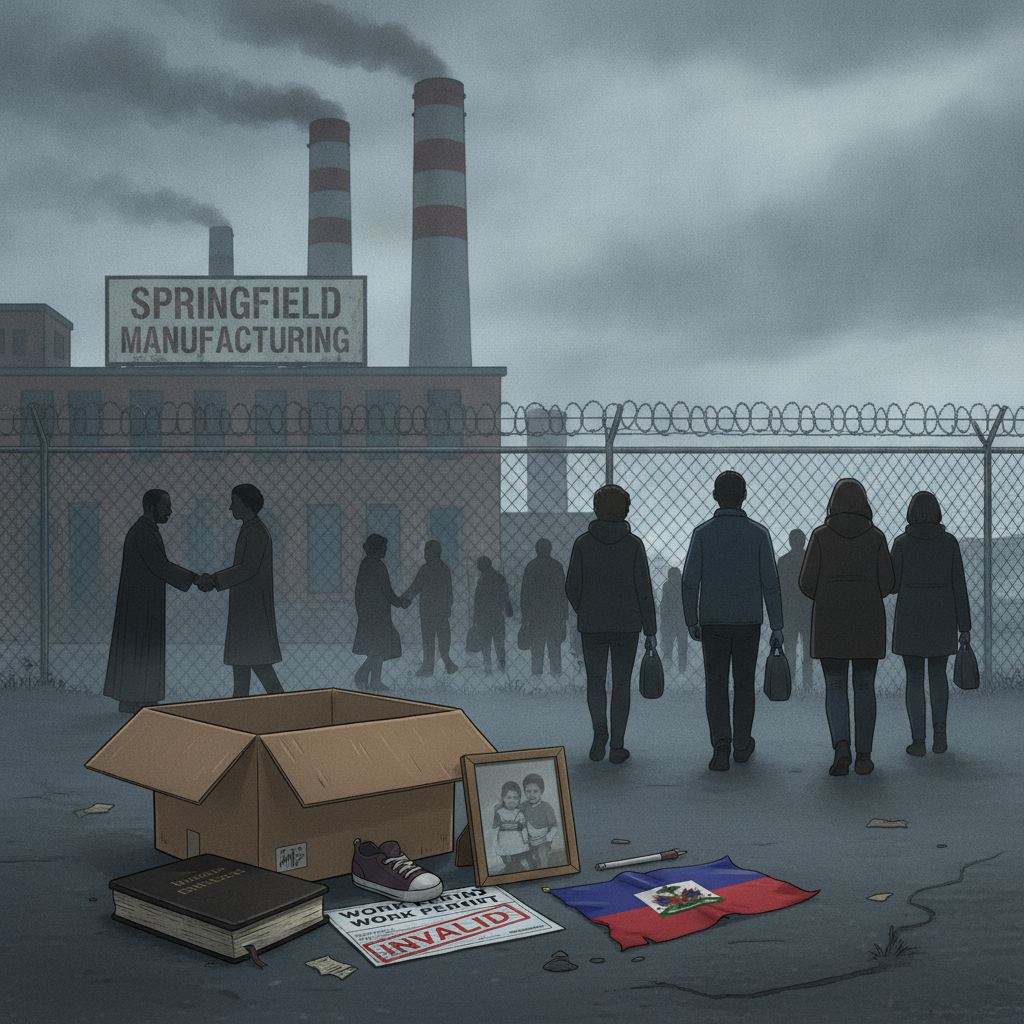
With Ohio’s Haitian refugees losing their protected status Monday, Springfield’s large population has begun being terminated from their jobs, a pastor who works with the community said on Tuesday. Without legal status, their work permits become invalid. They also face…

Last updated:
Key points
Haitian TPS protections end
- Tens of thousands of Haitian refugees lost Temporary Protected Status after a 6-3 Supreme Court ruling allowed federal terminations to proceed.
- Employers have begun terminating workers whose employment permits became invalid following the expiration of protected status.
- State leaders and faith coalitions are voicing safety concerns over forcing refugees to return to gang-controlled areas in Haiti.
NewsWK — As federal protections end for tens of thousands of Haitian refugees, communities across the nation are bracing for sudden job losses and potential deportations. According to a report first published by Stateline, local faith leaders and immigrant advocates are closely monitoring how changes in federal immigration enforcement will impact families nationwide.
The end of Temporary Protected Status, known as TPS, officially took effect on Monday. The termination invalidates work authorization permits for affected individuals and leaves thousands at risk of being returned to Haiti, where severe gang violence continues.
Supreme Court Ruling Ends Legal Protections
More than 330,000 Haitians have received TPS protection since a devastating earthquake struck the Caribbean nation in 2010. Former Homeland Security Secretary Kristi Noem moved to end the program for roughly 45,000 Haitians in Ohio, including about 15,000 residents in Springfield.
Although lower courts initially blocked the termination, the U.S. Supreme Court ruled 6-3 in June that federal law limits court challenges against TPS administration. The decision cleared the way for federal immigration agencies to resume enforcement actions.
Community Impacts and Legal Concerns
Faith leaders report that affected individuals are already losing their jobs as employers revoke work authorization. Carl Ruby, a pastor working with refugee families, shared concerns during a press briefing regarding the physical danger awaiting those forced to return.
“They’re just terrified for their physical safety,” Ruby told Stateline, adding that many families have suffered severe trauma prior to arriving in the United States.
Key facts surrounding the policy shift include:
- More than 330,000 Haitian refugees nationwide have relied on TPS protections since 2010.
- An estimated 45,000 Haitians in Ohio lost their legal work authorization this week.
- Constitutional court challenges remain pending, though federal deportations could begin immediately.
Leadership Responses and What Comes Next
Ohio Governor Mike DeWine publicly criticized the federal decision to strip TPS protections from Haitian residents. “As I have stated in the past, the policy to remove these individuals from this country is a mistake,” DeWine said in a statement cited by Stateline.
What this means for our area: While this court ruling centered on federal TPS administration in the Midwest, immigration enforcement standards apply across all states. Community organizations and legal aid groups in Southern Vermont continue to track federal policy changes to help local immigrant families understand their legal rights and documentation options.
This article was produced with the assistance of AI and reviewed by our editorial team.
Based on reporting by Marty Schladen originally published by Stateline. Read the original story.