Bennington
CDC flu report 2026 shows early rise as local holiday travel begins
Weekly US Influenza Surveillance Report: Key Updates for Week 45, ending November 14, 2026 | FluView


Last updated:
Key points
- National flu activity is rising earlier than usual, though overall disease severity is currently low.
- Federal health data estimates 3.7 million illnesses and 50,000 hospitalizations nationwide so far this season.
- Circulating flu strains closely match this season’s vaccine, and antiviral treatments remain highly effective.
NewsWK — Bennington, Vt. — Winter is approaching, and Families Across Bennington County are preparing for holiday gatherings. Meanwhile, federal health officials report national flu activity is rising earlier than usual this autumn. Consequently, local health providers urge area residents to take precautions now before holiday travel peaks.
What does the latest CDC flu report 2026 mean for Bennington County families?
Federal health data shows national flu activity is climbing faster than usual this autumn. Overall disease severity remains low right now. Still, local health providers in Southern Vermont recommend taking precautions early. Families in Bennington, Manchester, and nearby towns should prepare before Thanksgiving travel begins, as virus transmission is expanding.
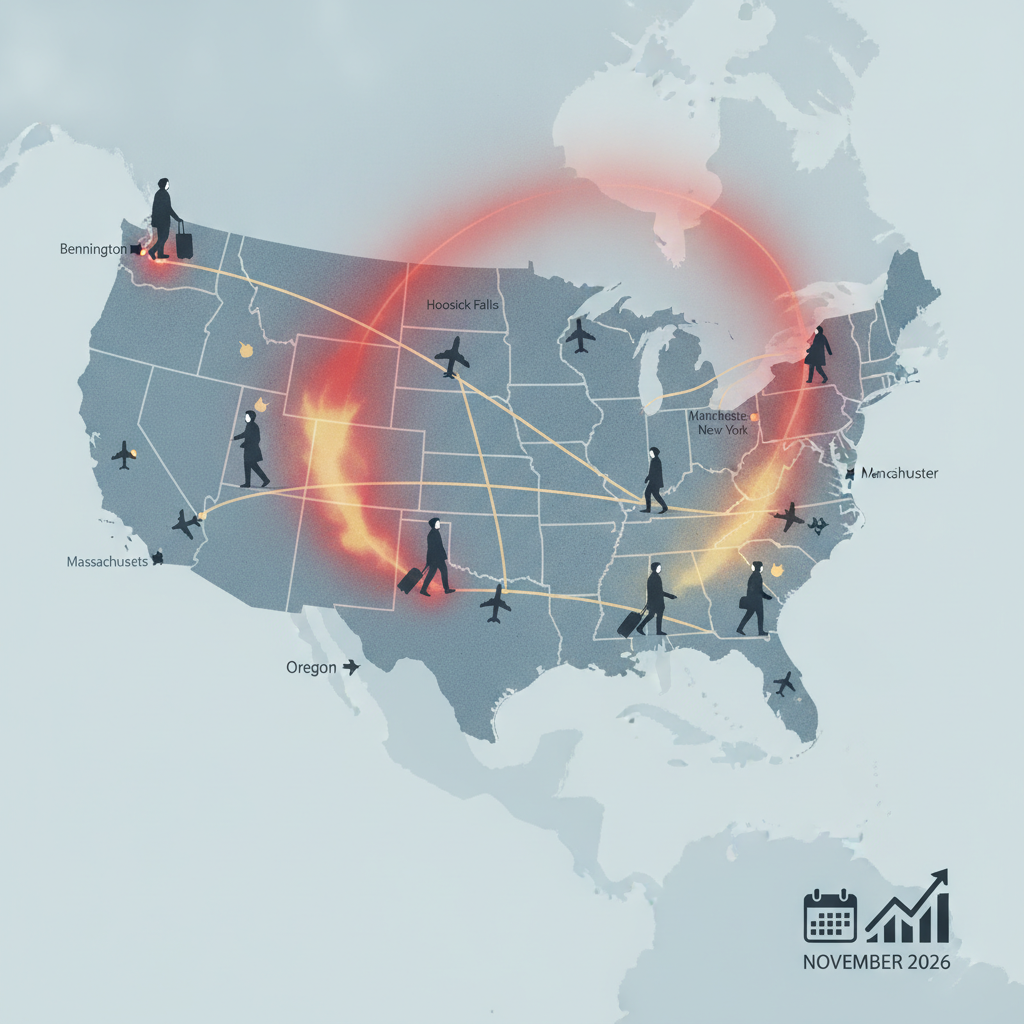
Furthermore, many residents travel across state lines into Massachusetts and New York. Therefore, local health leaders monitor national trends closely. However, public health experts share an important reminder. An early rise in cases does not automatically mean an unusually severe season.
What does the CDC FluView surveillance update reveal about current strains?
The latest CDC FluView surveillance update confirms that Influenza A dominates early spread nationwide. Specifically, the H1N1 strain accounts for over 96 percent of subtyped lab samples. Fortunately, genetic testing shows that current vaccines closely match these circulating strains. As a result, the shots offer strong protection against severe complications.
During the week ending November 14, clinical laboratories tested 61,838 respiratory specimens nationwide. Among those samples, 7,269 tested positive for influenza. That figure marks an 11.8 percent positivity rate. Additionally, public health laboratories reported 613 confirmed viral infections that week. Influenza A accounted for 608 of those cases. Furthermore, genetic sequencing indicates that nearly all detected viruses remain susceptible to standard antiviral treatments like Tamiflu.
How are flu season cases and hospitalizations trending nationwide?
Health officials estimate that the current flu season has already caused 3.7 million illnesses nationwide. It has also resulted in 50,000 hospitalizations and 2,800 deaths. In fact, autumn hospitalization rates are at their highest point since 2010. Currently, seniors aged 65 and older experience the highest rate of severe complications.
The federal surveillance data highlights several key figures for the season so far:
- 3.7 million total estimated flu illnesses across the country.
- 50,000 estimated flu-related hospital admissions nationwide.
- 12.0 per 100,000 cumulative hospitalization rate, representing an early peak.
- 38.1 per 100,000 hospitalization rate among adults aged 65 and older.
- Seven pediatric deaths confirmed nationally during the 2026 season.
In addition, public health officials confirmed one isolated case of avian influenza A(H5). This infection occurred in an Oregon dairy worker who experienced mild eye irritation. Authorities confirmed that no human-to-human transmission has occurred. Thus, the overall risk to the general public remains low.
What is the CDC seasonal flu forecast for the coming weeks?
Epidemiologists predict that flu activity will increase through the week ending December 5. However, standard antiviral medications like Tamiflu remain highly effective against nearly all tested viral samples. These drugs provide key treatment options.
Statistical models project that weekly hospital admissions nationwide will climb through early December. Those weekly admissions could range between 9,200 and 36,100. Meanwhile, emergency department visits for flu-like symptoms may reach 7.6 percent of all emergency care visits. Because of the Thanksgiving holiday schedule, federal officials will publish the next weekly surveillance update on November 30.
How can local residents stay protected this winter?
Area residents can find flu vaccines at local clinics, regional health centers, and pharmacies across Bennington and Southwestern Vermont. Health experts advise getting vaccinated before family gatherings. They also recommend staying home when sick and practicing simple hygiene. Together, these steps prevent spreading respiratory illnesses to vulnerable community members.
Pharmacies in Bennington, North Bennington, Manchester, and Hoosick Falls continue to offer updated seasonal flu shots. Residents do not need appointments at these locations. Next, health officials advise washing hands frequently. Families should also improve indoor ventilation during holiday gatherings. Finally, local residents with a high fever or severe respiratory symptoms should consult their healthcare provider early. Doctors can quickly discuss antiviral treatment options.
This article was produced with the assistance of AI and reviewed by our editorial team.
Related: NYC Lawsuit Over Housing Surveillance Highlights Regional Privacy Debate
Related: Federal Judge Blocks Overhaul of Teen Pregnancy Prevention Grants